
Land banking represents one of the most sophisticated approaches to property investment, particularly in emerging markets like Flores, Indonesia. This strategic investment method involves acquiring undeveloped or underdeveloped land with the intention of holding it for future appreciation and development. For investors seeking long-term wealth accumulation in Indonesia’s eastern frontier, understanding the nuances of land banking in Flores can unlock significant opportunities in one of the archipelago’s fastest-developing regions.
As Flores continues to attract international attention through tourism growth, infrastructure development, and increased connectivity, strategic land acquisition has become increasingly relevant for sophisticated investors looking beyond traditional property markets. This comprehensive guide explores the essential elements of implementing a successful land banking strategy in Flores, from identifying prime locations to navigating legal frameworks and timing your exit for maximum returns.
Understanding the Land Banking Concept
Land banking is fundamentally a patient investor’s strategy. Unlike traditional property development that seeks immediate construction and returns, land banking focuses on acquiring land at current market rates with the expectation that future development, infrastructure improvements, and market demand will substantially increase its value over time. This approach requires minimal ongoing investment while the land appreciates, making it particularly attractive for investors with long-term horizons and capital to allocate strategically.
In the context of Flores, land banking takes on additional significance due to several converging factors. The island is experiencing a transitional phase where tourism infrastructure is expanding, government investment in roads and airports is accelerating, and international awareness is growing following the popularity of Komodo National Park and emerging destinations like Kelimutu and traditional villages. These developments create a window of opportunity for investors to acquire land before prices reflect the island’s full potential.
The strategy typically involves identifying parcels in the path of development—areas where infrastructure projects are planned, tourism zones are expanding, or urban centers are likely to grow. Investors purchase these properties, hold them with minimal carrying costs, and wait for the market to mature before either developing the land themselves or selling to developers at appreciated values.
Best Locations for Land Banking in Flores
Location selection is the cornerstone of successful land banking. In Flores, several areas present compelling opportunities based on development trajectories and market fundamentals. Coastal areas near Labuan Bajo continue to represent prime opportunities, particularly properties within reasonable distance of the airport and harbor but currently outside the premium tourism zone. As Labuan Bajo’s development spreads outward, these peripheral properties are expected to appreciate significantly.
The corridor between Labuan Bajo and Ruteng offers strategic opportunities for investors anticipating improved road infrastructure and the development of highland tourism. Properties near Kelimutu National Park in the Moni area represent another strategic location, as this region is positioned to benefit from increased tourist traffic seeking alternatives to the crowded Komodo area.
Coastal properties along the northern shore, particularly near Riung and the Seventeen Islands Marine Park, present opportunities for investors with longer time horizons. While currently less developed, these areas are expected to see increased attention as Flores diversifies its tourism offerings beyond Komodo. Similarly, land near Maumere, the island’s largest city and a secondary hub with airport access, offers opportunities in both commercial and residential development as the city expands.
When evaluating locations, sophisticated investors consider proximity to existing or planned infrastructure, accessibility via current and future road networks, natural attractions that drive tourism demand, availability of utilities or the feasibility of connecting them, and zoning regulations that permit desired future uses. Properties that score well across multiple criteria typically offer the best risk-adjusted returns for land banking strategies.
Legal Considerations and Ownership Structures
Navigating Indonesia’s property laws is critical for foreign investors considering land banking in Flores. Indonesian law restricts foreign ownership of land, requiring investors to structure their holdings carefully to ensure legal compliance while maintaining effective control. The most common approaches include establishing a PT PMA (foreign investment company), which can hold Hak Guna Bangunan (Right to Build) titles for up to 80 years with extensions, or partnering with Indonesian nationals or entities through carefully structured agreements.
Due diligence is paramount in Flores, where land titles may be less formalized than in Java or Bali. Investors should verify that properties have clear title documentation, preferably a certificate from the National Land Agency (BPN). Many rural properties in Flores may have customary ownership claims or incomplete documentation, which can create significant risks. Engaging local legal counsel with expertise in land transactions and familiarity with Flores-specific issues is essential.
Understanding local adat (customary) law is also important, as traditional communities may have claims or usage rights that aren’t reflected in formal title documents. Successful investors often engage with local communities early, ensuring that acquisitions respect traditional rights and build positive relationships that facilitate future development. This approach not only mitigates legal risks but also creates social license to operate when development eventually proceeds.
Tax considerations include land and building tax (PBB), which is relatively modest for undeveloped land, and capital gains tax upon eventual sale, currently set at 2.5% of the transaction value for land. Structuring acquisitions through appropriate corporate vehicles can provide tax efficiency and facilitate eventual exit strategies.
Holding Strategies and Cost Management
Successful land banking requires effective holding strategies that minimize carrying costs while protecting the asset’s value. In Flores, where land is relatively affordable compared to more developed Indonesian regions, the primary holding costs include annual property taxes, security and maintenance, periodic site visits and inspections, and legal and administrative compliance.
Many sophisticated investors employ local caretakers or partner with nearby communities to maintain properties, preventing encroachment and ensuring the land remains in good condition. This approach is particularly important in Flores, where unattended properties may face informal occupation or use by local residents. Establishing clear boundaries with fencing or markers, maintaining periodic presence, and building relationships with neighboring landowners all contribute to successful long-term holding.
Some investors implement interim revenue strategies to offset holding costs. Depending on the property’s characteristics and location, options might include agricultural leasing to local farmers, allowing sustainable timber harvesting, or permitting traditional grazing rights in exchange for nominal fees. These arrangements can generate modest income while maintaining community goodwill, though investors must ensure such uses don’t conflict with future development plans or create legal complications.
Documentation and record-keeping are critical throughout the holding period. Maintaining comprehensive files on title documents, tax payments, correspondence with authorities, and any agreements with third parties ensures smooth transactions when the time comes to develop or sell. Regular legal reviews, perhaps annually or biannually, help identify any emerging issues with title, zoning changes, or regulatory developments that might affect the property’s value or intended use.
Development Timing and Market Indicators
Determining the optimal moment to transition from holding to development or sale is perhaps the most critical decision in land banking. In Flores, several indicators signal when market conditions have matured sufficiently to justify action. Infrastructure completion, particularly road improvements or airport expansions, typically triggers appreciation and increased buyer interest. The arrival of major hotel brands or resort developments in nearby areas signals market validation and often precedes broader price increases.
Tourism statistics provide valuable timing signals. Sustained increases in visitor numbers, longer average stays, and higher spending per visitor all indicate a maturing market that can support additional development. Government policy announcements, such as new tourism master plans, special economic zones, or infrastructure commitments, often precede market movements and provide advance notice for strategic decisions.
Sophisticated investors monitor land transaction volumes and prices in their target areas, watching for acceleration that indicates growing developer interest. The emergence of local real estate agencies, increased marketing of properties, and inquiries from other investors all suggest the market is approaching a inflection point. Zoning changes that permit higher-density development or new use categories can dramatically increase land values and may trigger development decisions.
For properties intended for eventual sale to developers, timing the exit to coincide with peak developer interest—typically when infrastructure is confirmed but before construction begins—often maximizes returns. For investors planning their own development, waiting until supporting infrastructure is operational and market demand is demonstrated reduces risk, though it may mean accepting somewhat lower returns than earlier movers achieve.

Featured Land & Development

Exit Strategies and Return Optimization
A well-conceived exit strategy is essential to land banking success. Investors in Flores have several options depending on their objectives, market conditions, and the property’s characteristics. Direct sale to developers represents the most straightforward exit, converting the land investment to cash and realizing appreciation. This approach works best when the property has clear development potential and the market has matured sufficiently to attract serious buyers.
Joint venture development offers an alternative that allows investors to participate in development upside while sharing risks and capital requirements. Under this model, the land investor contributes the property while a development partner provides expertise and additional capital, with profits shared according to negotiated terms. This approach can generate higher returns than outright sale but requires longer commitment and active involvement.
Some investors choose to develop properties themselves, either for sale or long-term income generation. This strategy demands significantly more capital, expertise, and time but can produce the highest returns when executed successfully. In Flores, development options might include boutique resorts, villa communities, commercial properties in growing towns, or mixed-use projects that combine residential and commercial elements.
Partial disposition strategies allow investors to realize some returns while maintaining exposure to future appreciation. Subdividing larger parcels and selling portions while retaining strategic pieces can provide capital for development of remaining land while reducing overall risk. This approach requires careful planning to ensure subdivided parcels remain viable and attractive to buyers.
Tax-efficient exit planning is crucial for maximizing net returns. Timing sales to optimize tax treatment, structuring transactions to minimize capital gains exposure, and considering installment sales or other arrangements can significantly impact final returns. Engaging tax advisors familiar with Indonesian property taxation before executing exit strategies helps avoid costly mistakes.
Why Land Banking in Flores Matters Now
For sophisticated property investors, Flores represents a unique opportunity to implement land banking strategies in a market that is early in its development cycle but showing clear momentum. The island’s tourism sector is expanding rapidly, government infrastructure investment is accelerating, and international awareness is growing—all factors that historically precede significant land appreciation in emerging markets.
The current window of opportunity exists because Flores remains relatively undiscovered compared to Bali or even Lombok, meaning land prices have not yet fully reflected the island’s potential. However, this window is narrowing as more investors recognize the opportunity and competition for prime parcels increases. Investors who act strategically now, acquiring well-located properties with clear development potential, position themselves to benefit from the appreciation cycle that typically accompanies tourism destination maturation.
For local communities, responsible land banking by sophisticated investors can bring benefits when executed with attention to social and environmental considerations. Patient capital that respects local customs, provides interim economic opportunities, and eventually enables quality development can contribute positively to Flores’s evolution. Conversely, speculative land acquisition that displaces communities or degrades environments can create lasting harm.
Risks and Considerations
Land banking in Flores carries specific risks that investors must carefully evaluate. Regulatory risk includes potential changes to foreign ownership rules, zoning regulations, or taxation that could affect property values or development feasibility. Infrastructure risk involves the possibility that planned roads, airports, or utilities may be delayed or cancelled, extending holding periods beyond initial projections.
Market risk encompasses the possibility that tourism growth may not materialize as expected, whether due to economic downturns, natural disasters, or shifts in travel patterns. Title risk, particularly acute in areas with less formalized land administration, can result in ownership disputes or claims that cloud title and complicate eventual sale or development.
Liquidity risk is inherent in land banking—converting land to cash typically takes longer than selling developed properties, and in market downturns, buyers may be scarce at any price. Currency risk affects foreign investors, as rupiah fluctuations can significantly impact returns when converted to home currencies. Environmental and social risks include potential conflicts with local communities, environmental restrictions that limit development, or natural hazards that affect property values.
Successful investors mitigate these risks through thorough due diligence, appropriate legal structuring, diversification across multiple properties or locations, maintaining adequate capital reserves for extended holding periods, and building strong local relationships and expertise. Understanding that land banking is inherently a long-term strategy requiring patience and financial staying power is essential for success.
What to Watch Next
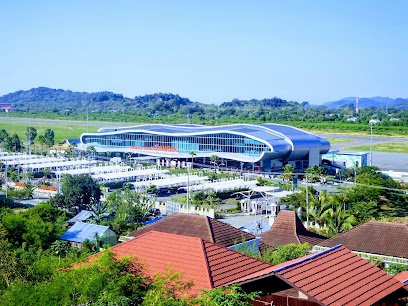
Several developments will significantly impact land banking opportunities in Flores over the coming years. The expansion of Komodo Airport and potential development of additional airports or airport upgrades will dramatically affect accessibility and property values in surrounding areas. Completion of the Trans-Flores Highway and other road improvements will open new areas to development and shift relative location advantages.
Government tourism policy, including any decisions about visitor caps, new protected areas, or tourism zone designations, will directly impact development potential in affected areas. The pace of hotel and resort development by major brands will signal market confidence and often precede broader property appreciation. Changes to foreign investment regulations or property ownership rules could significantly affect market dynamics and investor strategies.
Climate change impacts, including sea level rise and changing weather patterns, may affect coastal property values and development feasibility over longer time horizons. Monitoring these environmental trends is increasingly important for land banking strategies with multi-decade horizons. Finally, the evolution of Flores’s position within Indonesia’s broader tourism strategy—whether it remains a niche destination or becomes a mainstream alternative to Bali—will fundamentally shape long-term property market dynamics.
For investors committed to land banking in Flores, staying informed about these developments, maintaining flexibility in strategy, and building deep local knowledge and relationships will be key to navigating the opportunities and challenges ahead. The island’s transformation is underway, and those who approach land banking with sophistication, patience, and respect for local context are well-positioned to benefit from this emerging market’s long-term potential.
Key Questions About Land Banking in Flores
1. What exactly is land banking and why is it suitable for Flores?
Land banking involves purchasing undeveloped land and holding it for future appreciation rather than immediate development. Flores is ideal for this strategy because the island is in an early development phase with expanding tourism infrastructure, government investment in roads and airports, and growing international awareness—all factors that historically drive significant land value increases before prices fully reflect an area’s potential.
2. Which areas in Flores offer the best land banking opportunities?
Prime locations include coastal areas near Labuan Bajo outside the current premium zone, the corridor between Labuan Bajo and Ruteng, properties near Kelimutu National Park in Moni, northern coastal areas near Riung and the Seventeen Islands Marine Park, and land near Maumere. The best opportunities combine proximity to planned infrastructure, accessibility via current and future road networks, and natural attractions that drive tourism demand.
3. How can foreign investors legally own land in Flores?
Indonesian law restricts foreign land ownership, requiring careful structuring. The most common approaches include establishing a PT PMA (foreign investment company) that can hold Hak Guna Bangunan (Right to Build) titles for up to 80 years with extensions, or partnering with Indonesian nationals through structured agreements. Due diligence is critical in Flores where titles may be less formalized, and engaging local legal counsel familiar with customary adat law is essential.
4. What are the main costs and risks of holding land long-term in Flores?
Primary holding costs include annual property taxes, security and maintenance, periodic inspections, and legal compliance. Key risks include regulatory changes to foreign ownership rules, infrastructure project delays, slower-than-expected tourism growth, title disputes in areas with less formalized land administration, liquidity challenges when converting land to cash, and currency fluctuations affecting foreign investors’ returns.
5. When is the right time to exit a land banking investment in Flores?
Optimal exit timing depends on market indicators including infrastructure completion (roads, airport expansions), arrival of major hotel brands in nearby areas, sustained increases in tourism statistics, government policy announcements about tourism zones or special economic areas, and acceleration in land transaction volumes. For sale to developers, exiting when infrastructure is confirmed but before construction begins often maximizes returns, while self-development benefits from waiting until infrastructure is operational and demand is demonstrated.

Author: Flores Insider
Welcome to Discover Flores — your trusted guide to exploring Indonesia’s untamed island paradise. From Komodo National Park and Kelimutu’s tri-colored lakes to hidden beaches, dive spots, and Labuan Bajo real estate opportunities, Discover Flores brings you the best of travel, lifestyle, and investment across the island. Plan your next adventure, find the top tours and accommodations, and uncover why Flores is Indonesia’s rising gem for eco-tourism, digital nomads, and sustainable travel.