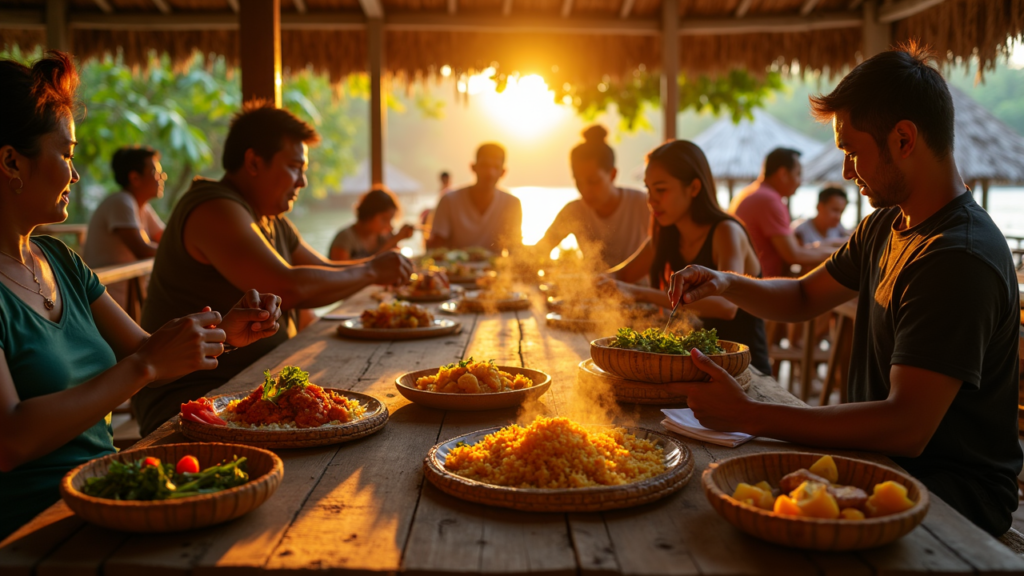
The island of Flores in Indonesia’s East Nusa Tenggara province is emerging as a compelling destination for culinary tourism and restaurant investment. As travelers increasingly seek authentic cultural experiences through food, Flores offers a unique blend of traditional cuisine, untapped market potential, and growing tourism infrastructure that positions it as an attractive opportunity for both food enthusiasts and hospitality entrepreneurs.
Local Cuisine Overview
Flores cuisine reflects the island’s diverse cultural heritage, combining indigenous traditions with Portuguese, Dutch, and broader Indonesian influences accumulated over centuries of trade and colonization. The food culture varies significantly across the island’s different regions, from the coastal areas where seafood dominates to the mountainous interior where root vegetables and pork feature prominently.
Traditional Flores cooking methods emphasize slow preparation, natural fermentation, and the use of locally sourced ingredients. The cuisine is characterized by bold flavors, with liberal use of turmeric, ginger, lemongrass, and locally grown chilies. Unlike the sweeter profiles common in Java or Bali, Flores dishes tend toward savory and spicy flavor profiles that reflect the island’s rugged character.
The agricultural landscape of Flores supports a distinctive pantry: cassava and sweet potato serve as staple carbohydrates alongside rice, while local vegetables like papaya flowers, fern tips, and various wild greens add nutritional diversity. The surrounding waters provide abundant fish, while traditional animal husbandry focuses on pigs, chickens, and water buffalo, which hold ceremonial significance in local cultures.
Must-Try Dishes
Visitors to Flores should seek out several signature dishes that define the local culinary identity. Se’i, a smoked meat preparation typically using pork or beef, represents one of Flores’ most iconic contributions to Indonesian cuisine. The meat is marinated with local spices and slow-smoked over a wood fire, resulting in a distinctive flavor that has gained popularity beyond the island.
Ikan bakar (grilled fish) in Flores takes on local character through the use of regional spice pastes and grilling techniques. Coastal restaurants often serve the day’s catch prepared with sambal lu’at, a fiery chili paste that incorporates local ingredients like torch ginger and fermented shrimp paste.
Jagung bose, a corn-based soup with beans and pumpkin, showcases the agricultural traditions of Flores’ highland communities. This hearty dish reflects the importance of corn cultivation in areas where rice production is limited by terrain and climate.
Traditional fermented foods also merit attention, including sambal luat and various fermented fish preparations that demonstrate preservation techniques developed before modern refrigeration. These items offer insight into the resourcefulness of Flores’ culinary traditions.
Best Restaurants
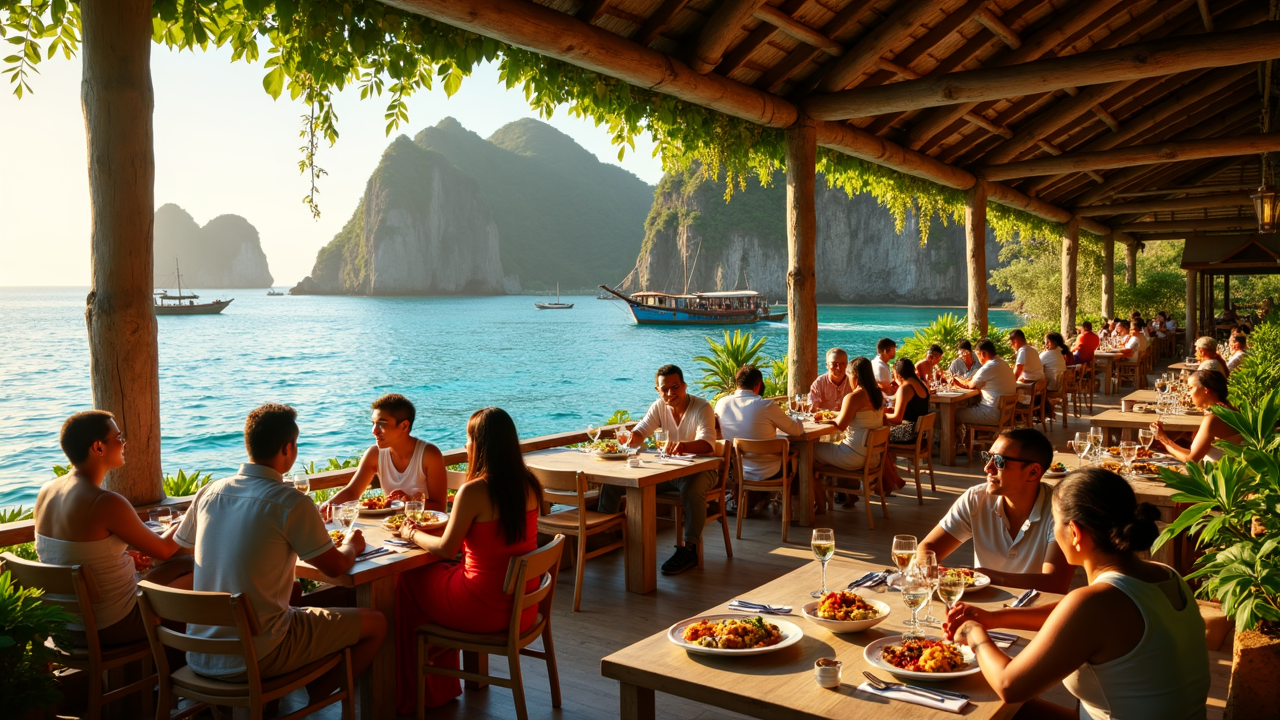
The restaurant landscape in Flores is evolving rapidly, particularly in tourism hubs like Labuan Bajo, the gateway to Komodo National Park. Establishments range from family-run warungs serving authentic local dishes to upscale restaurants catering to international visitors with refined presentations of regional cuisine.
In Labuan Bajo, several restaurants have gained recognition for elevating traditional Flores cuisine while maintaining authenticity. These establishments typically source ingredients from local farmers and fishermen, creating supply chains that benefit rural communities while ensuring freshness and quality.
Maumere, on Flores’ northern coast, offers a different dining scene focused on seafood and the culinary traditions of the Sikka region. The town’s restaurants provide access to dishes less commonly found in the more tourist-oriented western part of the island.
Ende and Bajawa, located in central Flores, present opportunities to experience highland cuisine in settings that remain relatively undiscovered by mass tourism. Restaurants in these areas often operate on a more informal basis, with menus determined by daily market availability rather than fixed offerings.
Featured Food and Night Life


Food Tourism Trends
Culinary tourism in Flores is experiencing significant growth, driven by several converging trends. The global shift toward experiential travel has created demand for authentic food experiences that connect visitors with local cultures. Flores, with its preserved traditions and relatively undeveloped tourism infrastructure, appeals to travelers seeking alternatives to more commercialized destinations.
Social media has amplified interest in Flores cuisine, with food bloggers and travel influencers showcasing the island’s unique dishes to global audiences. This organic marketing has proven particularly effective in attracting younger, food-focused travelers who prioritize culinary discovery in their travel planning.
The development of Labuan Bajo as a premium tourism destination has catalyzed investment in high-quality dining establishments. Government initiatives to position the area as one of Indonesia’s priority tourism destinations have included infrastructure improvements that support restaurant development, including better supply chains, improved utilities, and enhanced connectivity.
Cooking classes and food tours have emerged as popular activities, allowing visitors to engage directly with Flores cuisine through hands-on experiences. These offerings create additional revenue streams for local communities while deepening visitor engagement with the destination.
Culinary Experiences
Beyond restaurant dining, Flores offers diverse culinary experiences that appeal to food tourists. Traditional markets provide immersive environments where visitors can observe local food culture, interact with vendors, and sample street food preparations. Markets in Ruteng, Bajawa, and Maumere showcase regional agricultural products and traditional food items rarely found elsewhere.
Village-based culinary experiences allow travelers to participate in traditional food preparation, from harvesting ingredients to cooking over wood fires using centuries-old techniques. These experiences often include cultural context about the ceremonial significance of certain foods and the social aspects of communal eating in Flores societies.
Fishing expeditions followed by beachside seafood preparation have become popular in coastal areas, combining adventure activities with culinary experiences. These offerings typically involve local fishermen who share traditional fishing methods and knowledge about marine ecosystems.
Coffee plantation visits in the Bajawa region provide insight into Flores’ growing reputation for specialty coffee production. These experiences connect agricultural tourism with culinary tourism, as visitors learn about cultivation, processing, and preparation methods while sampling locally roasted beans.
Investment Opportunities
The restaurant and food service sector in Flores presents compelling investment opportunities for entrepreneurs and hospitality groups. The island’s tourism growth trajectory, combined with relatively low market saturation, creates favorable conditions for new ventures.
Several factors support the investment case for Flores restaurants. Tourism arrivals are projected to increase substantially as Labuan Bajo develops and as improved transportation links make other parts of the island more accessible. The Indonesian government’s commitment to developing the region as a priority destination suggests continued infrastructure investment and promotional support.
Market gaps exist across multiple segments. While basic warungs are abundant, there is limited supply of mid-range restaurants offering consistent quality, comfortable environments, and professional service. The premium dining segment, though growing in Labuan Bajo, remains underdeveloped in other parts of Flores.
Concept restaurants that authentically showcase Flores cuisine with contemporary presentation could capture both tourist and emerging local middle-class markets. Investment in supply chain development—including relationships with farmers, fishermen, and artisanal producers—can create competitive advantages while supporting local economic development.
Franchise and chain restaurant opportunities may emerge as the market matures, though success will likely require adaptation to local tastes and supply chain realities. International cuisine concepts face challenges related to ingredient sourcing and the need to compete with authentic local offerings that appeal to tourists seeking cultural experiences.
Real estate considerations are crucial for restaurant investment in Flores. Prime locations in Labuan Bajo command increasing prices, while opportunities in secondary towns offer lower entry costs but require longer timelines for market development. Lease terms, property rights, and zoning regulations require careful due diligence, particularly for foreign investors navigating Indonesia’s regulatory environment.
Staffing represents both a challenge and an opportunity. While labor costs are relatively low, finding experienced hospitality professionals can be difficult outside major towns. Investment in training programs can address skill gaps while building employee loyalty and community goodwill.
Risks include the volatility of tourism flows, which can be affected by natural disasters, health crises, or changes in travel patterns. The island’s remote location creates supply chain vulnerabilities and higher operating costs for certain ingredients and equipment. Regulatory changes, particularly regarding foreign investment and land ownership, require ongoing monitoring.
Successful restaurant investment in Flores likely requires a long-term perspective, cultural sensitivity, and commitment to sustainable practices that benefit local communities. Operators who build strong local partnerships, invest in staff development, and maintain authentic connections to Flores culinary traditions are best positioned to capture the opportunities presented by the island’s emerging food tourism sector.
As Flores continues to develop as a culinary destination, early movers who establish strong brands and operational excellence may benefit from first-mover advantages in a market that is expected to grow substantially over the coming decade. The intersection of cultural preservation, sustainable tourism, and business opportunity makes Flores’ food scene a compelling focus for investors who align profit motives with positive social and environmental impact.
Key Questions About Flores Culinary Tourism and Restaurant Investment
1. What makes Flores cuisine unique compared to other Indonesian islands?
Flores cuisine features bold, savory, and spicy flavor profiles distinct from the sweeter tastes of Java or Bali. The island’s food reflects diverse cultural influences from Portuguese and Dutch colonization, combined with indigenous traditions. Regional variations range from seafood-dominated coastal dishes to highland specialties featuring pork, root vegetables, and corn, with cooking methods emphasizing slow preparation, natural fermentation, and locally sourced ingredients like turmeric, ginger, and locally grown chilies.
2. What are the must-try signature dishes when visiting Flores?
Se’i, a slow-smoked meat (typically pork or beef) marinated with local spices, is Flores’ most iconic dish. Ikan bakar (grilled fish) prepared with sambal lu’at—a fiery chili paste with torch ginger and fermented shrimp paste—showcases coastal flavors. Jagung bose, a hearty corn-based soup with beans and pumpkin, represents highland agricultural traditions. Traditional fermented foods like sambal luat and fermented fish preparations demonstrate centuries-old preservation techniques unique to the island.
3. Where are the best areas in Flores for culinary experiences and restaurant investment?
Labuan Bajo, the gateway to Komodo National Park, offers the most developed restaurant scene with establishments ranging from family warungs to upscale dining. Maumere on the northern coast specializes in seafood and Sikka regional cuisine. Ende and Bajawa in central Flores provide authentic highland culinary experiences in less touristy settings. Each region offers distinct investment opportunities based on tourism development levels and local culinary traditions.
4. What investment opportunities exist in Flores’ restaurant sector?
The market shows significant gaps in mid-range restaurants offering consistent quality and professional service, while premium dining remains underdeveloped outside Labuan Bajo. Concept restaurants authentically showcasing Flores cuisine with contemporary presentation could capture both tourist and local markets. Investment opportunities include supply chain development with local farmers and fishermen, culinary tourism experiences like cooking classes and food tours, and early-mover advantages in secondary towns before market saturation occurs.
5. What are the main challenges and risks for restaurant investment in Flores?
Key challenges include tourism flow volatility from natural disasters or health crises, supply chain vulnerabilities due to the island’s remote location, and higher operating costs for imported ingredients and equipment. Finding experienced hospitality staff outside major towns is difficult, requiring investment in training programs. Foreign investors must navigate complex regulations regarding property rights, lease terms, and zoning. Success requires long-term perspective, cultural sensitivity, strong local partnerships, and commitment to sustainable practices benefiting local communities.

Author: Flores Insider
Welcome to Discover Flores — your trusted guide to exploring Indonesia’s untamed island paradise. From Komodo National Park and Kelimutu’s tri-colored lakes to hidden beaches, dive spots, and Labuan Bajo real estate opportunities, Discover Flores brings you the best of travel, lifestyle, and investment across the island. Plan your next adventure, find the top tours and accommodations, and uncover why Flores is Indonesia’s rising gem for eco-tourism, digital nomads, and sustainable travel.