
Flores Infrastructure Development 2026: What It Means for Investors
Flores infrastructure development has moved from planning documents into the ground. In 2026, three of the most consequential projects for Labuan Bajo — the international terminal upgrade at Komodo Airport, the Bita Port cruise facility, and the Trans-Flores highway programme — are either complete or in active construction. On top of that, the launch of direct Jakarta–Labuan Bajo flights in March 2026 has fundamentally changed how accessible the island is for domestic visitors.
For investors and property developers, this is the moment the infrastructure thesis becomes a real market driver. This article maps what has been built, what is still underway, and how each project translates into property values and investment timing across Flores.
Airport: Komodo International Airport in 2026
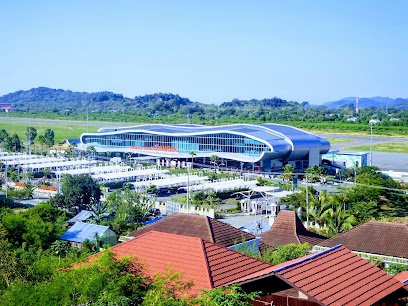
The expansion of Komodo International Airport (LBJ) in Labuan Bajo is the single most consequential infrastructure project for Flores tourism and property. The airport handles all international arrivals to the Komodo gateway and its capacity directly sets the ceiling on how many visitors the destination can receive.
What has changed in 2026:
The terminal upgrade — part of the government’s Super Priority Destination programme — has significantly increased passenger throughput capacity. More critically, on 29 March 2026, direct Jakarta–Labuan Bajo flights launched with Garuda Indonesia and TransNusa, cutting travel time from Jakarta to under two hours. Previously, every domestic visitor had to route through Bali or Lombok, adding 4–8 hours to the journey.
The addition of the Jakarta direct route is projected to bring 80,000–120,000 additional domestic visitors annually — a segment that was structurally inaccessible before this connection existed.
Investment implication: Property values in Labuan Bajo have historically moved in advance of major connectivity improvements. With the Jakarta route now confirmed and operational, the pre-announcement pricing advantage has closed. However, demand-side growth from domestic tourism is still in early innings. Hospitality development and short-term rental operators are the most direct beneficiaries.
Port: Bita Port and the Cruise Tourism Opportunity
Port infrastructure has been one of the less-discussed but highly significant components of Flores infrastructure development. The Bita Port facility in Labuan Bajo was developed specifically to service the growing cruise tourism market, giving Flores a berth capable of handling large vessels that previously had no viable port option.
What this means in practice:
Cruise tourism represents a materially different visitor profile from independent travellers — higher spend per visit, zero accommodation demand (they sleep onboard), but significant demand for day excursions, F&B, and local tours. The development of Bita Port effectively opens a new tourism revenue stream for Labuan Bajo that did not exist before.
Marina and port development across Flores is also supporting the liveaboard diving sector, which has grown substantially as Komodo’s reputation as a world-class dive destination has strengthened. Labuan Bajo now has a credible marina infrastructure for liveaboard operators, private charter vessels, and fast boat services to surrounding islands.
Investment implication: Waterfront commercial property and F&B in Labuan Bajo town centre is the most direct beneficiary. Tour operators with excursion products suited to half-day cruise schedules are also positioned to benefit.

Featured Land & Development
Roads: Trans-Flores Highway Upgrades
The Trans-Flores Highway connects Labuan Bajo in the west to Larantuka on the eastern tip — approximately 700km of road spanning the island’s full length. The highway is the backbone of Flores infrastructure development and its quality directly determines how much of the island is accessible to tourists.
2026 status:
Road improvements under the national infrastructure programme have been focused on the western section (Labuan Bajo to Ruteng) and the central corridor (Bajawa to Ende). These are the highest-traffic sections and connect the island’s main tourism anchors — Komodo, the Ngada highlands, and Kelimutu.
Journey time improvements have been meaningful. The Labuan Bajo to Ruteng drive has come down from a grinding 5–6 hours on poor road to a more manageable 3.5–4 hours on improved sealed road. The Ruteng to Bajawa section remains rougher and is still a work in progress.
For the eastern corridor (Ende to Maumere to Larantuka), road conditions are improving more slowly. Flores Timur is seeing growing foreign tourist numbers as the region’s accessibility gradually improves, but the eastern half of the island remains a longer-horizon investment opportunity.
Investment implication: Towns along improved road corridors — particularly Ruteng and Bajawa — are entering the early stages of tourism development that Labuan Bajo went through a decade ago. Land prices remain low. For patient investors, these central Flores locations offer the risk/return profile that Labuan Bajo offered pre-2018.
Utilities: Electricity, Water and Digital Connectivity
Flores infrastructure development is not limited to the visible projects. Utilities — electricity grid coverage, water supply reliability, and digital connectivity — are foundational for any serious hospitality or residential development and have historically been limiting factors in central and east Flores.
2026 progress:
- Electricity: Grid expansion has continued, with PLN (national electricity company) extending coverage to more rural areas. Power reliability in Labuan Bajo itself has improved substantially from the erratic supply of 2018–2020. Generator dependency for hospitality operations has reduced significantly in the western hub.
- Water: Municipal water infrastructure in Labuan Bajo has been upgraded to support the increased hotel and residential density. Outside the main town, water supply remains property-specific — boreholes and rainwater systems are standard.
- Internet: Fibre and 4G coverage is solid in Labuan Bajo. Mobile data coverage along the Trans-Flores Highway is improving but remains patchy in highland areas. This directly affects the digital nomad market that Labuan Bajo is beginning to attract.
Investment implication: Utilities reliability is a precondition for premium pricing. Properties in areas where utilities infrastructure is complete can command meaningfully higher nightly rates and attract better-quality operators. Due diligence on utilities status — not just availability, but reliability — is essential before any development purchase.
Tourism Infrastructure: Visitor Management and Komodo Quotas
The Komodo National Park visitor quota system represents one of the most strategically significant components of Flores’s tourism infrastructure in 2026. Following the failed 2019 attempt to close Komodo Island entirely, the government instead implemented a managed visitor quota — capping daily visitor numbers and eliminating low-cost budget operators from the park.
What this means for investors:
The quota system forces a structural shift toward premium tourism. Budget tour operators offering rock-bottom Komodo day trips are being squeezed out. Higher-end operators with proper permits and compliant vessels are the ones with park access. This directly supports better pricing for accommodation, tours, and related services.
Labuan Bajo’s eco-resort boom is partly a direct response to this policy: if the government is positioning Flores as a premium destination and restricting budget access to the park, the accommodation market needs to move upmarket to match. Multiple luxury eco-resort projects are currently under development or recently completed in the Labuan Bajo area.
Beyond Komodo, tourism infrastructure improvements include new viewing platforms at Kelimutu, upgraded trail systems in the Ngada highlands for Wae Rebo and Bena village access, and visitor centre development at key cultural sites.
Investment Implications: How Infrastructure Translates to Property Values
Flores infrastructure development affects property values through three main channels, operating on different timescales:
1. Accessibility premium (near-term)
When new transport links open — like the Jakarta direct flight — demand increases immediately among visitors who were previously deterred by the logistics. This flows into higher occupancy and nightly rates for existing operators, which flows into higher property valuations. This effect is already in motion for western Flores.
2. Development enablement (medium-term)
Utilities and road improvements make new areas viable for development that were previously impractical. As roads improve and utilities extend, land that was only viable for long-horizon speculation becomes buildable. Central Flores is at this stage.
3. Quality positioning (medium to long-term)
The Komodo quota system and premium tourism positioning create a floor under pricing. By limiting supply of cheap access, the government is engineering a market that structurally rewards quality. This supports better long-term returns for premium operators and well-built properties.
What to monitor in 2026–2027:
- Announcement of new international routes to Komodo Airport (Singapore, Darwin, and Kuala Lumpur seasonal routes already operate — expansion is the watchpoint)
- Progress on Trans-Flores Highway central section (Bajawa to Ende)
- Government tender announcements for additional tourism infrastructure projects
- Komodo National Park visitor permit allocations for 2027 — supply of permits directly affects tour operator viability
- Property price movements in Ruteng and Bajawa as road access improves
FAQ: Flores Infrastructure Development and Investment
How complete is the Komodo Airport upgrade in 2026?
The terminal capacity upgrade is substantially complete, supporting the new direct Jakarta route that launched in March 2026. Further expansion to handle larger international aircraft is understood to be in the government’s medium-term capital plan, though no official completion timeline has been confirmed for a second phase.
Has the Trans-Flores Highway been fully improved?
No. The western section (Labuan Bajo to Ruteng) has seen the most significant improvements. The central corridor is partially upgraded. The eastern section remains rougher and improvements are slower. Allow extra time for eastern Flores road trips in 2026.
Does the Komodo visitor quota apply to Rinca Island as well?
The visitor management system covers the full national park, including both Komodo and Rinca islands. Rinca has its own daily allocation. Independent access without a licensed tour operator is not permitted — all visitors must enter via authorised operators with valid permits.
What is the best infrastructure indicator to watch for property investment timing?
Airport connectivity changes are the leading indicator with the most direct impact on demand-side growth. Monitor new route announcements to Komodo Airport (LBJ) as the clearest signal that visitor volume growth is about to accelerate.
Is central and east Flores ready for development investment now?
Central Flores (Ruteng, Bajawa) is at an early viable stage — infrastructure is improving, visitor numbers are growing, and land is affordable. East Flores (Maumere, Larantuka, Flores Timur) is earlier stage still. Both require a longer investment horizon and higher tolerance for illiquid positions than Labuan Bajo.
For a full picture of how infrastructure fits into the broader Flores real estate investment thesis, and the legal structures available to foreign investors, read our foreign property investment guide.

Author: Flores Insider
Welcome to Discover Flores — your trusted guide to exploring Indonesia’s untamed island paradise. From Komodo National Park and Kelimutu’s tri-colored lakes to hidden beaches, dive spots, and Labuan Bajo real estate opportunities, Discover Flores brings you the best of travel, lifestyle, and investment across the island. Plan your next adventure, find the top tours and accommodations, and uncover why Flores is Indonesia’s rising gem for eco-tourism, digital nomads, and sustainable travel.








One response to “Flores Infrastructure Development 2026: What It Means for Investors”
[…] focuses on acquiring land at current market rates with the expectation that future development, infrastructure improvements, and market demand will substantially increase its value over time. This approach requires minimal […]