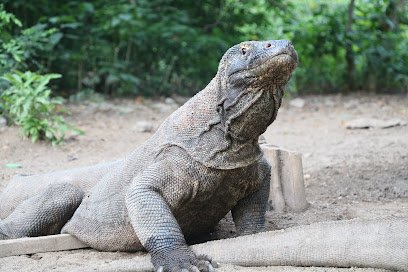
New Conservation Action Plan Protects Komodo Dragons
Indonesia is stepping up efforts to protect the iconic Komodo dragons with the launch of the Komodo Conservation Strategy and Action Plan (SRAK), a 10-year national guideline running from 2025 to 2035. Developed by the Ministry of Forestry, NGOs, and the Komodo Survival Program, this plan addresses critical threats such as habitat degradation and illegal hunting that jeopardize the endangered dragons. The population remains stable at around 3,200 within Komodo National Park and 700 outside on Flores Island, but risks from expanding tourism and human activities, especially outside protected zones, remain high.
The plan involves multiple stakeholders, including central and regional governments, private sector, and communities with a focus on sustainable, socially sensitive approaches since local people have coexisted with Komodo dragons for generations. Complementing the conservation plan, intensified SMART patrols now cover 125,000 hectares, infrastructure improvements are underway, and new visitor regulations capped tourist numbers at 1,000 per day starting February 2026 to balance tourism and ecosystem protection.
Komodo National Park Tours Move Towards Sustainable Visitor Experience
Komodo National Park has popularized new day tours that offer visitors the chance to experience the natural habitat of Komodo dragons within a single day. These tours typically include trekking on Komodo Island and snorkeling spots such as Manta Point, with prices ranging from $100 to $400. The park now requires advance booking due to visitor caps and introduces a consolidated entrance fee that covers trekking, ranger services, and snorkeling permits, reflecting efforts to maintain a balance between attracting tourists and conserving the ecosystem.
Various tour formats cater to different traveler needs—from private speedboat day trips leaving daily from Labuan Bajo to extended multi-day liveaboard tours combining exploration of Komodo dragons, Padar Island sunrise hikes, and manta ray snorkeling. This sustainable approach ensures that while visitors enjoy the breathtaking natural wonders of Flores and Komodo National Park, their impact on the environment remains minimal.
Labuan Bajo Grows as a Strategic Tourism and Investment Hub
Labuan Bajo continues to emerge as a prime investment destination in Indonesia, leveraging its status as the gateway to Komodo National Park and booming tourism industry. While no verified “billion-dollar” investment confirmation is yet reported for March 2026, several significant developments highlight its growth potential.
The Parapuar Integrated Tourism Area is a focus for investment, featuring projects like a $1.2 million Eiger Store and Coffee Shop and a $15 million hotel by Dusit Thani Public Company Limited. The local tourism authority reports multiple committed investors across nearly 130 hectares, with substantial zones dedicated to cultural, leisure, wildlife, and adventure tourism with sustainability in mind.
Government initiatives such as the Golden Visa program are attracting foreign investors by providing residence permits to spur long-term economic growth. The region’s offerings extend beyond hospitality to real estate, sustainable energy, marine aquaculture, and infrastructure development, supporting Labuan Bajo’s transformation from a fishing village into an emerging business and tourism hotspot.
New Flight Routes and Hospitality Boost Accessibility and Comfort
Improved air connectivity complements Labuan Bajo’s rise as a travel and investment destination. Super Air Jet began daily flights from Jakarta Soekarno-Hatta International Airport to Labuan Bajo in March 2026, with affordable fares and convenient schedules reducing travel time to approximately 2 hours and 20 minutes. This service strengthens access alongside existing carriers, expanding options for tourists and investors alike.
In the hospitality sector, Crowne Plaza Labuan Bajo, opened in November 2025, sets a new benchmark for visitor accommodation with 199 rooms, three restaurants showcasing local and international cuisine, and extensive conference facilities. Situated just five minutes from Komodo International Airport, the hotel caters to leisure and business travelers, enhancing the overall tourism ecosystem and supporting regional economic growth.
Looking Ahead
With enhanced conservation measures, sustainable tourism models, growing foreign investment, and improving infrastructure, Flores and Labuan Bajo are poised for a dynamic future. Ongoing projects and policies aim to balance economic development with environmental protection, ensuring that this unique region remains a treasured destination for generations to come.

Author: Flores Insider
Welcome to Discover Flores — your trusted guide to exploring Indonesia’s untamed island paradise. From Komodo National Park and Kelimutu’s tri-colored lakes to hidden beaches, dive spots, and Labuan Bajo real estate opportunities, Discover Flores brings you the best of travel, lifestyle, and investment across the island. Plan your next adventure, find the top tours and accommodations, and uncover why Flores is Indonesia’s rising gem for eco-tourism, digital nomads, and sustainable travel.