
A New Era for Flores Tourism in 2026
As the vibrant island of Flores continues to evolve as one of Indonesia’s most treasured destinations, 2026 marks a pivotal year for the region’s tourism and infrastructure. With a powerful blend of sustainable developments, community-centered tourism projects, and new conservation measures, Flores is positioning itself as a model for responsible travel in Southeast Asia. This year, major progress in Labuan Bajo’s infrastructure and eco-resort expansion sits alongside flourishing village tourism and fresh regulations designed to protect the region’s iconic Komodo National Park.
Labuan Bajo’s Infrastructure and Sustainable Resort Developments
Labuan Bajo, once a quiet fishing town, has rapidly transformed into a bustling tourism hub thanks to comprehensive infrastructure upgrades under Indonesia’s “Ten New Balis” initiative. Key developments include the expansion of Labuan Bajo Airport to handle more international flights and the enhancement of harbor facilities to accommodate increasing dive tourism traffic. The government has invested heavily, allocating hundreds of millions of rupiah to uplift roads, build pedestrian-friendly zones with modern utilities, and improve flood control and community amenities.
A notable highlight of sustainable tourism here is the Sudamala Resort Seraya, which has emerged as a leader in green hospitality. The resort runs on a state-of-the-art solar power system generating up to 85% of its operational energy, significantly lowering carbon emissions while supporting reef conservation efforts through coral restoration programs. This eco-conscious approach reflects Flores’s commitment to balancing tourism growth with environmental stewardship.
Community-Driven Eco-Tourism Flourishes Across Flores
Beyond big infrastructure projects, grassroots tourism efforts in Flores showcase the island’s unique cultural and natural assets. The world-famous Wae Rebo village, with its traditional conical houses set amid lush mountain valleys, remains open and welcoming to tourists eager for authentic cultural immersion. Accessible only through scenic and adventurous routes from Labuan Bajo, this village offers meaningful 2-day tours and longer treks that emphasize respectful engagement with the environment and local communities.
Other villages have formed cooperatives to manage visitor experiences sustainably, investing in eco-lodges built from local materials and operating tourism cooperatively to ensure that economic benefits stay within communities. This model has contributed to Flores’s growing reputation as a hotspot for eco-conscious travelers seeking to explore heritage sites like Kelimutu and the diverse landscapes beyond the typical tourist trails.
Luxury Private Cruises and Fresh Tourism Experiences
While no entirely new luxury cruises launched in 2026, Labuan Bajo continues to offer a range of private Phinisi schooners and yachts that provide high-end, customized exploration of Komodo National Park and surrounding islands. These cruises are integral to the experience of Flores tourism, allowing visitors to combine comfort with adventure on the crystal-clear waters of the region.
Komodo National Park Enforces New Visitor Policies
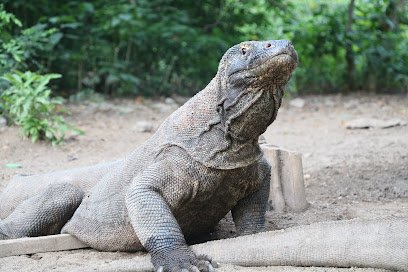
The crown jewel of Flores tourism, Komodo National Park remains open throughout 2026 but now operates under stricter visitor limits designed to protect its fragile ecosystem. From April 2026, a daily cap of 1,000 visitors will help reduce overcrowding and minimize human impact on the habitat of the famous Komodo dragons and other wildlife. Ranger supervision is mandatory for land excursions, with strict guidelines to keep visitors safe and the environment intact.
These new rules include mandatory use of reef-safe sunscreen, prohibitions on feeding wildlife, bans on drones without permits, and designated trekking routes. These measures aim to preserve Komodo’s natural wonders for future generations while still offering memorable experiences to tourists.
Flores Timur Sees Growing Interest from Foreign Visitors
While Flores Timur (East Flores) does not yet match the tourism volumes of western regions like Labuan Bajo, government strategies to promote lesser-visited cultural sites and natural attractions are beginning to show promise. Flores Timur’s focus on marine protected areas, annual festivals, and environmental training align with Indonesia’s nationwide goal to diversify tourism offerings and reduce pressure on overvisited destinations.
Looking Ahead: A Sustainable Future for Flores
Flores in 2026 is a dynamic landscape where modern infrastructure, eco-conscious resorts, and community-based tourism blend to create a unique and sustainable destination. The island’s careful balance between welcoming tourists and safeguarding its cultural and natural heritage sets it apart as a leader in responsible travel.
With ongoing investments and evolving conservation measures, Flores is poised to welcome an increasing number of travelers seeking meaningful, sustainable experiences in one of Indonesia’s most remarkable islands.

Author: Flores Insider
Welcome to Discover Flores — your trusted guide to exploring Indonesia’s untamed island paradise. From Komodo National Park and Kelimutu’s tri-colored lakes to hidden beaches, dive spots, and Labuan Bajo real estate opportunities, Discover Flores brings you the best of travel, lifestyle, and investment across the island. Plan your next adventure, find the top tours and accommodations, and uncover why Flores is Indonesia’s rising gem for eco-tourism, digital nomads, and sustainable travel.





Leave a Reply
You must be logged in to post a comment.