Wae Rebo village is not easy to reach. That is the point.
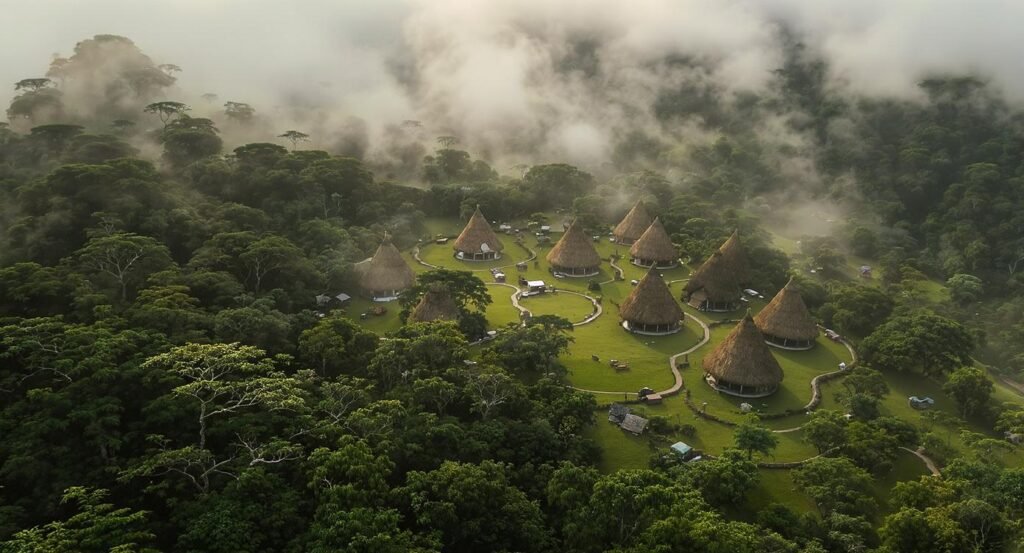
The village sits at 1,200 metres in the mountains of west-central Flores, surrounded by cloudforest that muffles sound and swallows sight. The only way in is on foot — a two-hour uphill trek through dense jungle from the nearest road. There are no vehicles. No power lines. No signal. When you emerge from the treeline into the small clearing where seven enormous conical thatched houses stand in the mist, you understand immediately why people describe Wae Rebo as the most memorable non-diving experience on Flores.
This guide covers everything you need to visit Wae Rebo village in 2026: how to get there from Labuan Bajo and Bajawa, what the trek involves, how to arrange an overnight stay, what to expect inside the village, and why — even allowing for the effort — it is worth every step.
What Is Wae Rebo Village?
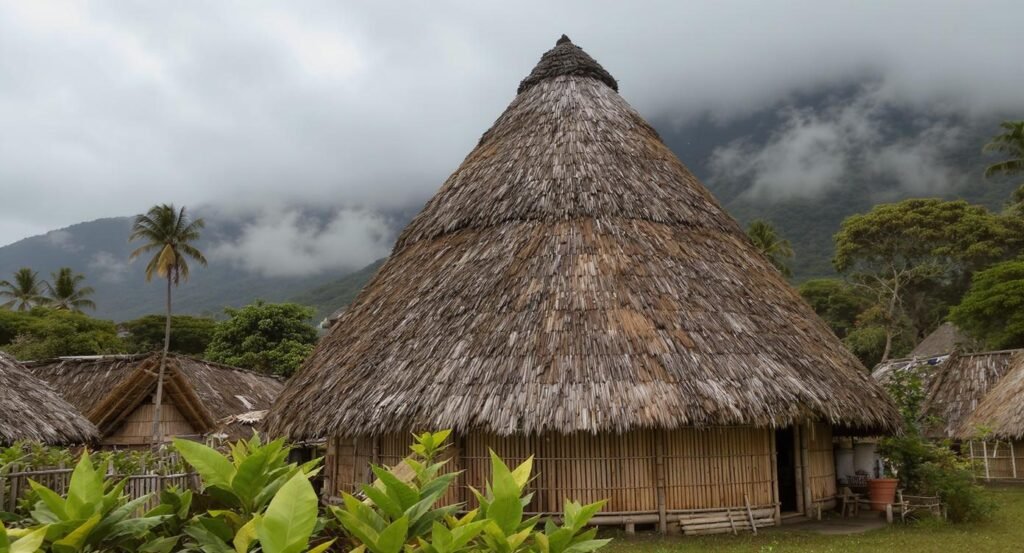
Wae Rebo is a living traditional Manggarai village in the Manggarai Regency of west Flores, about 45km south of Ruteng. It is home to approximately 1,200 people across seven extended family households, all living in the village’s seven iconic Mbaru Niang — the towering, cone-shaped thatched houses that give Wae Rebo its visual signature.
The village was built on its current site generations ago and has been continuously inhabited since. The Mbaru Niang houses are rebuilt every 20–30 years using traditional construction methods — no nails, no modern materials — which makes each new building a community undertaking that reaffirms cultural identity as much as it provides shelter. In 2012, Wae Rebo received UNESCO’s Award of Excellence for Cultural Heritage Conservation for the restoration of its traditional houses.
What makes Wae Rebo rare even by Flores standards is its genuine isolation. Many “traditional villages” in Indonesia are partially modernised, partially performance. Wae Rebo is neither. The families who live here choose to maintain the traditional lifestyle. Tourism — managed carefully and on the village’s own terms — supplements rather than replaces their way of life.
How to Get to Wae Rebo Village
The trek to Wae Rebo begins at Denge village, the last point accessible by road. Getting to Denge is the first logistics challenge.
From Labuan Bajo (Most Common)
Total time: 5–6 hours driving + 2 hours trekking
Distance: approximately 130km by road
The route: Labuan Bajo → Ruteng (3.5–4 hrs on improved sealed road) → Todo → Denge (1.5–2 hrs from Ruteng on narrower mountain road). Most visitors hire a private driver for the full journey from Labuan Bajo; the Ruteng → Denge section requires local knowledge of the mountain roads.
The most practical approach from Labuan Bajo is to split the journey over two days: overnight in Ruteng, then drive to Denge the following morning and begin the trek. This avoids arriving at Denge exhausted after a 6-hour drive and having to immediately tackle the uphill trail. Read our Ruteng guide for accommodation options.
From Bajawa
Total time: 3–4 hours driving + 2 hours trekking
Bajawa is closer to Wae Rebo than Labuan Bajo, making it a more natural base if you are already in the Bajawa–Ruteng area. The route runs northwest from Bajawa through Ruteng toward Todo and Denge. Most visitors doing the Trans-Flores overland route include Wae Rebo as a dedicated side trip from Bajawa. See our Bajawa and the Ngada Highlands guide for the full Bajawa context.
From Ruteng
Total time: 1.5–2 hours driving + 2 hours trekking
Ruteng is the most practical base for day visitors who want to leave early and return the same day — though staying overnight in the village is strongly recommended (see below). The drive from Ruteng takes you through increasingly dramatic mountain scenery; the road narrows significantly in the final section approaching Denge.
Arranging Transport
Private drivers are the standard option. Arrange through your guesthouse in Labuan Bajo, Ruteng, or Bajawa. The driver typically waits at Denge while you trek and stay overnight, then drives you back the following morning — factor the waiting time into the cost negotiation. Budget IDR 1–1.5M for the Ruteng → Denge → return journey by private car, more from Labuan Bajo.
For full overland routing and costs, see our Ultimate Flores Itinerary.
The Wae Rebo Trek
Trailhead to Village: What to Expect
The trek begins at a small registration shelter at the edge of Denge village (elevation ~600m). You register here, pay the entrance contribution (see Practical Tips below), and pick up the trail. A local guide from Denge often accompanies groups — this is not mandatory but is customary and practically useful on the trail’s less obvious sections.
- Distance: approximately 9km round trip (4.5km each way)
- Elevation gain: approximately 600m (trailhead at ~600m, village at ~1,200m)
- Time uphill: 2–2.5 hours at a moderate pace
- Time downhill: 1.5–2 hours
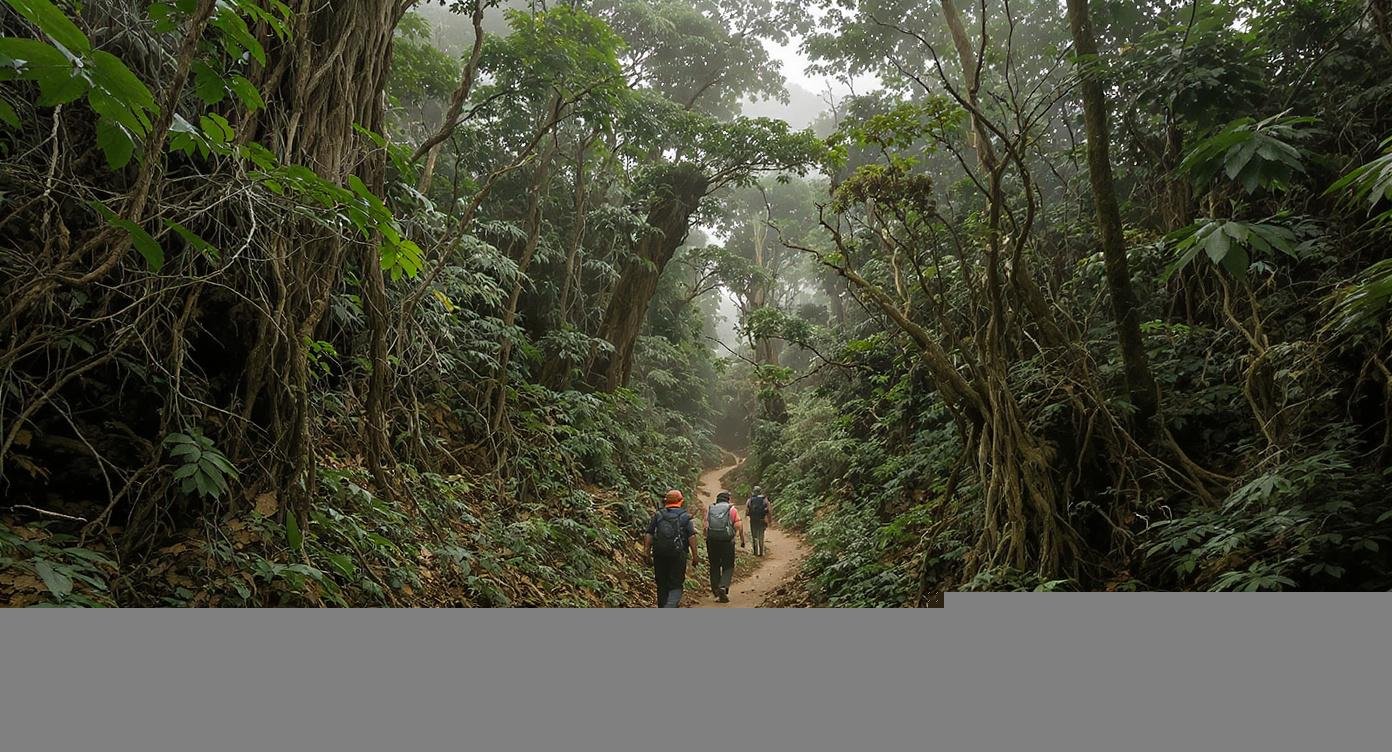
The trail climbs consistently from the start. The first 30 minutes are the steepest — a series of switchbacks through open scrub before the path enters primary rainforest. Once inside the forest, the character of the walk changes: the canopy closes overhead, the air cools noticeably, and the sound becomes dominated by birds and the occasional rushing stream.
The final approach to Wae Rebo village is the most atmospheric section. The trail narrows and the forest becomes denser and mistier. Many visitors hear the village before they see it — voices, the sound of weaving, chickens. Then the treeline opens and the seven Mbaru Niang houses appear.
Difficulty
The trek is rated moderate. It requires reasonable fitness — the sustained uphill is not technical, but it is relentless for the first hour. Trekking poles are useful. Good footwear is essential; the trail is often muddy, particularly in the early months of dry season when residual wet season rain lingers in the highland forest.
The downhill return is easier on the lungs but harder on the knees. Take your time.
Trail Conditions by Season
May–October (dry season): Best conditions. Trail is firmer, mist is lighter, and morning light on the village is extraordinary. May is particularly good — the forest is still lush from the wet season rains but the path is drying out.
November–April (wet season): The trek is possible but significantly muddier. Leeches are more common in the wetter months. The misty atmosphere in the village is even more dramatic, but river crossings on the trail can be tricky after heavy rain.
Staying Overnight in Wae Rebo
Staying overnight is not just an option — it is the recommended way to experience Wae Rebo village. The village is most extraordinary in the late afternoon when the mountain light goes golden, in the evening when cooking fires are lit inside the Mbaru Niang, and at dawn when mist fills the clearing and the forest sounds change. Day visitors who trek up and back miss all of this.
Booking Your Stay
Overnight stays must be arranged in advance. You cannot simply arrive and expect accommodation. Contact the village directly through the registered community liaison (arrangements can also be made through guesthouses and tour operators in Ruteng, Bajawa, or Labuan Bajo — most can connect you with the village booking contact).
The village accommodates guests inside one of the Mbaru Niang houses — you sleep alongside the family in the communal living space, not in a separate tourist room. This is authentic in the truest sense: you are a guest in someone’s home, and the experience reflects that entirely.
What to Expect Overnight
Accommodation is basic. Sleeping arrangements are mats on the floor of the Mbaru Niang’s lower level. Meals are provided — simple rice, vegetables, and sometimes fish or chicken, cooked by the family over the communal hearth. There is no electricity in the main village (solar panels exist for some limited use). After dark, it is firelight and conversation.
The experience is unlike any hotel. The interior of a Mbaru Niang at night — the smell of wood smoke, the sound of rain on the thatch, the warmth from the cooking fire, the family moving around their space — is the kind of thing that stays with you long after the specific details fade.
Cost
The overnight contribution covers accommodation, dinner, and breakfast. Rates vary but budget approximately IDR 350,000–500,000 per person (around $22–$31 USD). This goes directly to the village community. Additional donations for photography, cultural demonstrations, or longer stays are customary and welcomed.
Wae Rebo Village Culture and Architecture
The Mbaru Niang
The Mbaru Niang is Wae Rebo’s defining architectural achievement. Each house is a multi-storey cone of palm fibre thatch rising to a sharp point — the tallest structures in the village reach nearly 15 metres. The cone shape serves both structural and spiritual purposes: the form mirrors the mountain peaks that the Manggarai people consider sacred, and the layered interior provides storage for sacred objects in the upper levels while communal family life occupies the lower floors.
Each house belongs to an extended family group — multiple generations living together under the same roof. The houses are oriented toward the ceremonial drum house (tambur) at the centre of the village clearing, which serves as the focal point for community rituals and decision-making.
The construction of a new Mbaru Niang is a communal event involving the whole village. Materials are sourced from the surrounding forest following customary protocols, and the raising of the central pole is accompanied by ceremony. The result is a building that is simultaneously deeply functional and deeply meaningful — not a museum piece, but a living home.
Ikat Weaving
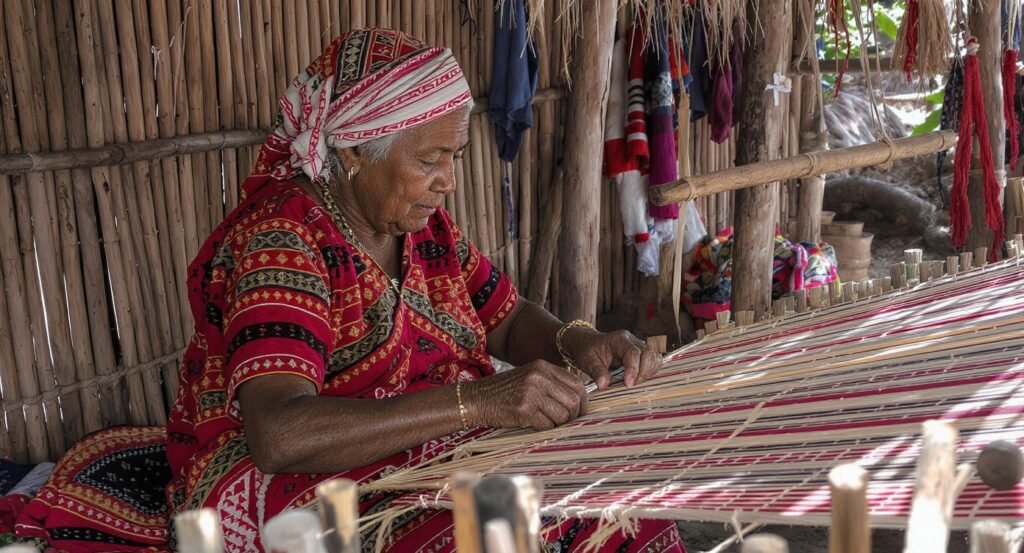
Wae Rebo is one of the finest places in Flores to see — and buy — traditional Manggarai ikat. The weavings produced here follow geometric patterns specific to the Wae Rebo community, distinct from the ikat of other Flores villages. Women weave on backstrap looms using naturally dyed threads; a single piece of cloth can take weeks to complete.
Weavings are for sale directly from the weavers. Prices reflect genuine craft labour — expect to pay IDR 200,000–800,000 for smaller pieces, more for complex large cloths. Buying directly from the village ensures the full price reaches the maker. See our traditional textiles guide for context on Flores ikat more broadly.
Manggarai Culture
The Manggarai people have inhabited this region of west Flores for centuries. Their cultural practices blend animist traditions with Catholicism — a combination that produces ceremonies and beliefs found nowhere else. The village elder (tua golo) holds authority over community matters and customary law (adat). Visitors are guests subject to the village’s protocols, not observers of a performance.
Caci — a traditional whip-fighting ceremony that also functions as a form of ritual celebration — is one of the most dramatic Manggarai cultural expressions. It is not performed for tourists on demand, but if your visit coincides with a ceremonial occasion, you may witness it. Ask your host or guide about the calendar of local events.
Best Time to Visit Wae Rebo
May to October is the recommended window — dry season, firmer trail, better light, and the fullest experience of the forest and village.
June, July, and August are peak season. The trail sees more visitors (still nothing like Komodo) and the weather is most reliable. Book your overnight stay further in advance.
May and September–October offer the best balance of good conditions and fewer visitors. May in particular is excellent — the highland forest is brilliantly green from the wet season rains, the trail is manageable, and the mist on the village in the morning is extraordinary.
November to April (wet season): Possible but harder. More mud, more leeches, more risk of river crossings being difficult. The atmosphere is genuinely dramatic but the experience is physically more demanding. Not recommended for those without solid hiking experience.
For the broader Flores seasonal picture, see our best time to visit Flores guide.
What to Bring
- Footwear: Proper hiking boots or trail shoes with grip. Not sandals. The trail is muddy and uneven.
- Rain layer: Even in dry season, afternoon rain is common in the highlands. A light waterproof jacket packs small and earns its weight.
- Daypack: Keep it light — water (2 litres minimum), snacks, camera, change of clothes for the overnight.
- Cash: No ATMs anywhere near Wae Rebo. Bring IDR in small denominations for the entrance contribution, overnight payment, and weaving purchases.
- Torch/headlamp: Essential for the evening and early morning in the village.
- Respectful clothing: The village is a living community with cultural protocols. Cover shoulders and knees — not for religious reasons exactly, but as a mark of respect for the space you are entering.
Practical Tips
Entrance contribution: Registered at the Denge trailhead shelter. The standard contribution is approximately IDR 150,000–200,000 per person. This funds village conservation and community development. Pay it without negotiating — it is not a tourist price, it is a community levy.
Guide: A guide from Denge is customary and practically useful on the less obvious trail sections. A small fee (IDR 50,000–100,000) is standard. Your driver can often introduce you to a guide on arrival.
Photography: Ask before photographing people. In Wae Rebo village, it is expected that you will photograph the houses and the setting — the Mbaru Niang are extraordinary subjects. For portraits or close-up shots of people, ask first and take the response graciously either way.
Leave no trace: Carry out everything you carry in. The remoteness of Wae Rebo means any waste left behind is a significant burden on the community.
Booking lead time: In peak season (July–August), book your overnight at least 2 weeks ahead. In May, June, September, and October, 3–5 days is usually sufficient.
Combine with Bajawa: Wae Rebo makes most sense as part of a central Flores itinerary that also includes Bajawa’s Bena village, the Ngada highlands, and the Trans-Flores drive. Read our traditional villages of Flores guide for the cultural context.
Frequently Asked Questions
How hard is the Wae Rebo trek?
Moderate. The trail is approximately 4.5km uphill (600m elevation gain) on a dirt path, taking 2–2.5 hours at a moderate pace. Good fitness and proper footwear are required; no technical climbing skills are needed. The descent takes 1.5–2 hours.
Do I need a guide to trek to Wae Rebo?
Not strictly mandatory, but a local guide from Denge is strongly recommended. The trail has less-obvious junctions, and a guide also facilitates the social introduction to the village that makes the stay more meaningful. Cost is small and the benefit is real.
Can you visit Wae Rebo as a day trip?
Technically yes — the round-trip trek takes 3.5–4.5 hours, leaving time in the village before returning to Denge. But it is strongly recommended to stay overnight in Wae Rebo village. The village at dawn, with mist in the clearing and the sounds of the community waking up, is an entirely different experience from a brief daytime visit.
How much does Wae Rebo cost?
Budget approximately IDR 500,000–700,000 per person all-in for an overnight visit: IDR 150,000–200,000 entrance contribution, IDR 350,000–500,000 overnight with meals. Transport from Ruteng or Bajawa to Denge and back adds IDR 500,000–1M for a private car.
Is Wae Rebo suitable for children?
For fit children aged 10+, yes. The trail is physically demanding but not dangerous. Younger children would find the 2-hour uphill section genuinely difficult. The overnight experience — sleeping in the Mbaru Niang — is extraordinary for older children and teenagers.
When is the best time to visit Wae Rebo?
May to October (dry season). May and September–October offer the best combination of good trail conditions and smaller crowds. July–August is peak season with the most reliable weather but more visitors and advance booking required.
Wae Rebo village sits in the category of travel experiences that change your frame of reference for what a village can be and what hospitality means. It is difficult enough to reach that only committed travellers make it — which means the experience, when you get there, feels genuinely earned.
For the full island overview, read The Ultimate Flores Itinerary — Wae Rebo is one of its standout stops.

Author: Flores Insider
Welcome to Discover Flores — your trusted guide to exploring Indonesia’s untamed island paradise. From Komodo National Park and Kelimutu’s tri-colored lakes to hidden beaches, dive spots, and Labuan Bajo real estate opportunities, Discover Flores brings you the best of travel, lifestyle, and investment across the island. Plan your next adventure, find the top tours and accommodations, and uncover why Flores is Indonesia’s rising gem for eco-tourism, digital nomads, and sustainable travel.