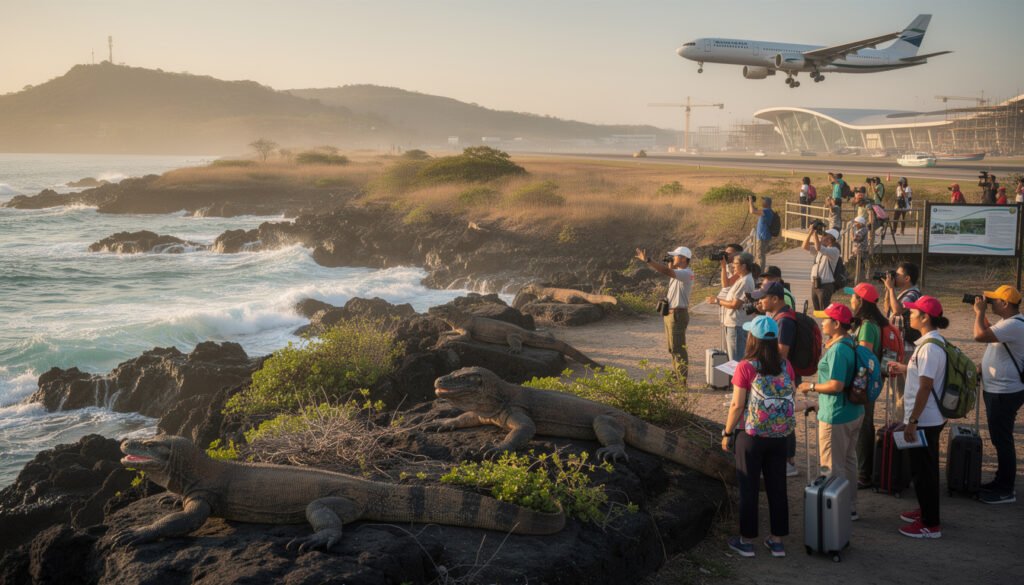
Mass Tourism Growth Challenges at Komodo National Park
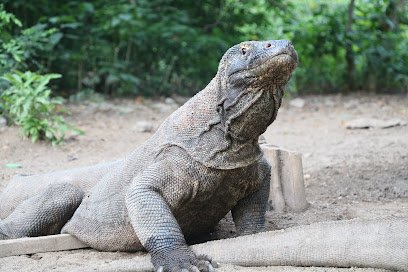
The iconic Komodo National Park, home to the world-renowned Komodo dragons, has seen a dramatic increase in visitor numbers, growing fivefold over the past decade. While this surge highlights Flores as a must-visit destination, it also raises pressing environmental concerns. The park’s delicate ecosystem and the habitat of these ancient reptiles are under threat from overcrowding and unregulated tourism.
Experts and conservationists are calling for urgent sustainable visitor management strategies to protect the fragile environment. If left unchecked, the rapid growth in tourism could jeopardize the unique biodiversity that makes Komodo National Park such an extraordinary place.
Labuan Bajo Airport Expansion Spurs Real Estate and Tourism Boom
Integral to Flores’ recent tourism and economic transformation is the expansion of the Labuan Bajo International Airport. The upgraded airport has significantly improved access to Flores, creating new opportunities for investment and development. This infrastructure boost has sparked a real estate boom in the area, with investors and developers increasingly interested in building resorts, hotels, and other tourism facilities.
The enhanced connectivity is not only attracting tourists but also raising investor confidence, positioning Labuan Bajo as a key gateway for travel to the Indonesian archipelago’s eastern wonders.
Chinese Tourist Influx Boosts Labuan Bajo’s Economic Growth
Adding momentum to the region’s growth is a notable rise in Chinese visitors, largely inspired by China’s Year of the Dragon celebrations. This influx has led to increased visits to Komodo National Park and surrounding islands, contributing significantly to Indonesia’s tourism revenue.
Labuan Bajo is cementing its status as an emerging Asian tourist hub, leveraging cultural ties and favorable travel trends. This surge not only benefits local businesses but also encourages the development of sustainable tourism models that align with community and environmental priorities.
New Flight and Seaplane Routes Enhance Connectivity and Luxury Tourism
Complementing the airport expansion, new flight and seaplane services are opening up previously hard-to-reach islands around Flores. Santai Seaplane’s collaboration with Indonesia’s Ministry of Tourism is a prime example, offering luxury travel options and increasing accessibility to remote destinations.
This improved connectivity enriches the tourist experience by diversifying attractions and travel itineraries, supporting local economies, and elevating Flores’ profile as a premier adventure and luxury destination.
Adventure Tourism Flourishes with Boom in Hiking Trails
Beyond coastal and marine attractions, Flores is gaining recognition for its vibrant hiking scene. Recent development of walking routes and guided tours through lush rainforests and scenic viewpoints is attracting adventure tourists eager to explore the island’s natural beauty.
These outdoor experiences are designed not only to engage travelers but also to promote the preservation of local culture and natural heritage, offering sustainably managed tourism alternatives that benefit communities and conservation efforts alike.
Looking Ahead: Balancing Growth and Conservation
Flores stands at a pivotal moment where rapid tourism growth, driven by infrastructure improvements and international interest, must be carefully balanced with environmental protection. The mass tourism pressures in Komodo National Park underscore the urgent need for sustainable management practices to safeguard its extraordinary ecosystem.
Meanwhile, Labuan Bajo’s expanding airport, alongside increased Chinese tourism and new flight routes, promise continued economic opportunities and development. Combined with the rise of adventure tourism across Flores, these trends are reshaping the island’s future, inviting stakeholders to work together to ensure resilient, inclusive, and responsible growth.

Author: Flores Insider
Welcome to Discover Flores — your trusted guide to exploring Indonesia’s untamed island paradise. From Komodo National Park and Kelimutu’s tri-colored lakes to hidden beaches, dive spots, and Labuan Bajo real estate opportunities, Discover Flores brings you the best of travel, lifestyle, and investment across the island. Plan your next adventure, find the top tours and accommodations, and uncover why Flores is Indonesia’s rising gem for eco-tourism, digital nomads, and sustainable travel.







Leave a Reply
You must be logged in to post a comment.