Tucked away in the southern reaches of Flores, Noca Mulas Island—also known as Nuca Molas or Mules Island—is emerging from obscurity as one of East Nusa Tenggara’s most captivating destinations. Located in Satar Mese Barat District within Manggarai Regency, this pristine island is poised to transform Flores’ tourism landscape as local government invests in new public amenities scheduled for completion in April 2026.
A Paradise Rooted in Language and Landscape
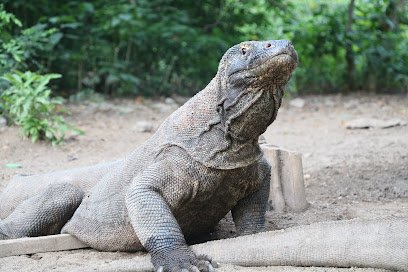
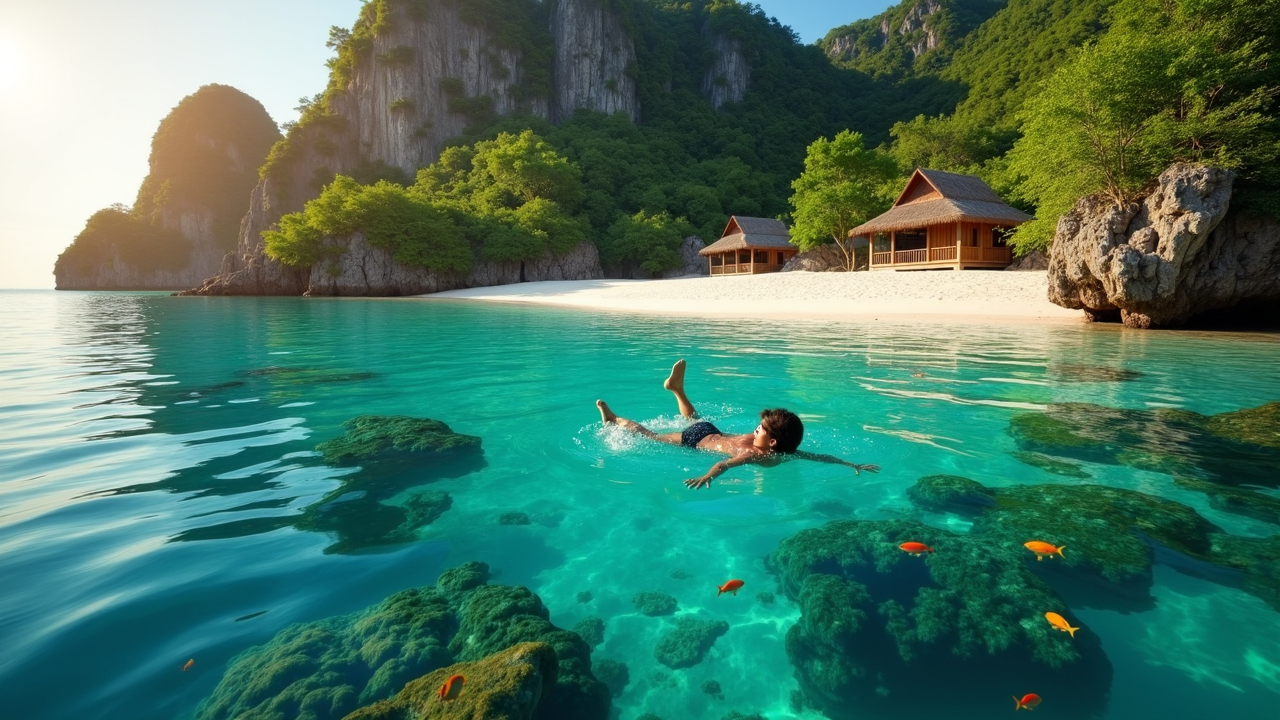
The name “Noca Mulas” derives from the Manggarai language, where “Nuca” means island and “Molas” translates to beautiful—literally “Beautiful Island.” This nomenclature proves remarkably accurate. The island has earned comparisons to Jurassic Park for its wild, untouched landscapes featuring dramatic cliffs, prehistoric-looking vegetation, and beaches that remain largely undisturbed by mass tourism.
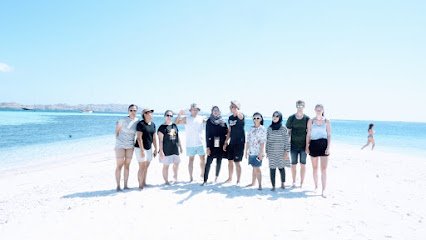
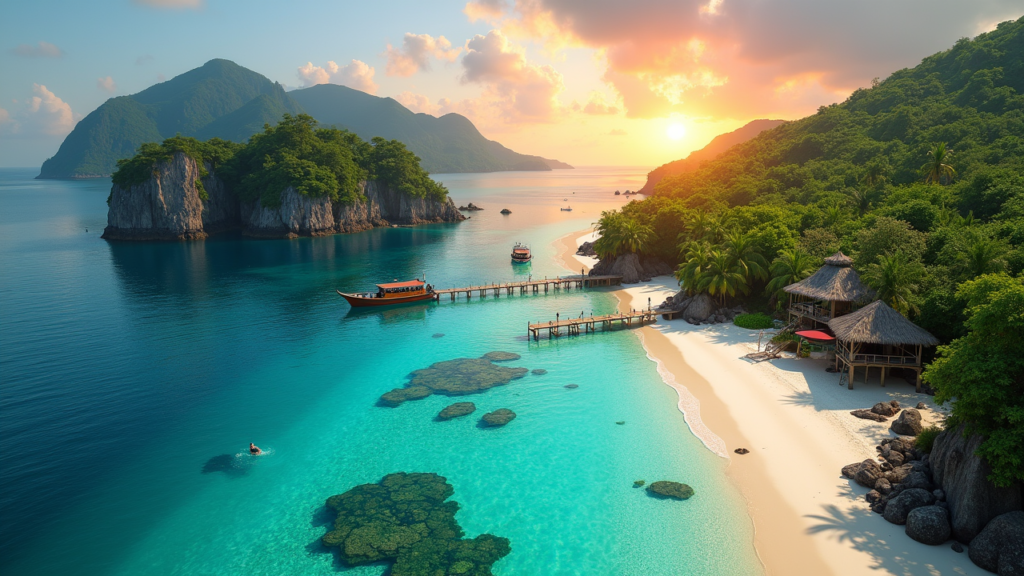
Visitors to Noca Mulas discover pristine white-sand beaches framed by turquoise waters ideal for snorkeling. The island’s rich biodiversity includes vibrant coral reefs and marine life that attract nature enthusiasts and underwater photographers. Beyond the coastline, the terrain offers thrilling hiking opportunities through landscapes that feel genuinely prehistoric, with panoramic viewpoints rewarding those willing to trek across the rugged interior.
Current State: From Hidden Gem to Accessible Destination
Until recently, Noca Mulas remained off the radar for most travelers to Flores, overshadowed by better-known attractions like Komodo National Park and Kelimutu’s tri-colored lakes. Access required significant planning, with visitors typically arranging private boat transport from Labuan Bajo or joining multi-day tours that combined the island with other southern Flores destinations.
The tourism experience has been authentically rustic, with homestay accommodations providing the primary lodging option. These family-run establishments offer cultural immersion alongside basic amenities, allowing visitors to experience traditional Manggarai hospitality while supporting local communities directly.
As of 2024 and 2025, organized two-day tours have become increasingly available, typically including transportation from Labuan Bajo, meals, overnight stays, and English-speaking guides. These packages have begun making Noca Mulas more accessible to international travelers who lack the local connections or language skills to arrange independent visits.
The Infrastructure Investment: What’s Changing
The Manggarai Regency government’s decision to develop new public amenities on Noca Mulas represents a strategic investment in diversifying Flores’ tourism portfolio. Expected to be operational by April 2026, these infrastructure improvements are designed to enhance visitor experience while maintaining the island’s natural character.
While specific details of the amenities remain to be fully disclosed, such developments typically include improved landing facilities for boats, basic sanitation infrastructure, designated camping or picnic areas, and interpretive signage. The challenge lies in balancing accessibility with preservation—making the island easier to visit without sacrificing the pristine qualities that make it special.
Why This Matters for Travelers and Communities
For travelers, the infrastructure development promises a more comfortable and reliable experience. Improved facilities reduce logistical barriers, potentially allowing day trips or better-organized overnight stays. This accessibility opens Noca Mulas to a broader range of visitors, including families and those with limited time who might otherwise skip more remote destinations.
The economic implications for local communities are substantial. Tourism diversification reduces Manggarai’s dependence on Labuan Bajo as the sole economic engine, spreading visitor spending across a wider geographic area. Homestay operators, boat owners, guides, and food vendors in Satar Mese Barat District stand to benefit from increased visitor numbers. When tourism revenue flows directly to rural communities, it creates powerful incentives for environmental conservation and cultural preservation.
For tour operators throughout Flores, Noca Mulas offers a compelling addition to itineraries. The island’s “Jurassic Park” aesthetic provides a distinctive selling point that differentiates Flores from Bali and other Indonesian destinations. Operators can craft multi-day adventures combining Noca Mulas with traditional villages, rice field landscapes, and other Manggarai attractions, creating richer, more varied experiences.
Risks and Considerations
The path from hidden gem to established destination carries inherent risks. Overtourism has degraded countless once-pristine locations worldwide, and Noca Mulas’ fragile ecosystems could suffer from poorly managed visitor growth. Coral reefs are particularly vulnerable to damage from inexperienced snorkelers, anchor drops, and sunscreen pollution.
There’s also the risk of cultural commodification, where authentic homestay experiences become staged performances, and local communities lose agency over how tourism develops in their territory. Ensuring that infrastructure development includes meaningful community consultation and benefit-sharing mechanisms will be critical.
The timeline itself presents uncertainty. Infrastructure projects in remote Indonesian islands frequently face delays due to weather, logistics, and funding challenges. Travelers planning visits around the April 2026 completion date should build flexibility into their plans and confirm current conditions before departure.
What to Watch Next
As the April 2026 milestone approaches, several developments will signal how successfully Noca Mulas balances growth with sustainability. Watch for announcements regarding visitor capacity limits, environmental protection measures, and community tourism training programs. The emergence of locally-owned tour operations, rather than external companies extracting profits, would indicate healthy, sustainable development.
Travelers interested in visiting should monitor tour operator offerings from Labuan Bajo and consider timing their visit during the shoulder seasons to avoid potential crowding. Those who arrive before mass tourism takes hold will experience Noca Mulas at its most authentic—a genuinely hidden paradise where the Manggarai language still defines the landscape, and beauty remains the island’s truest name.