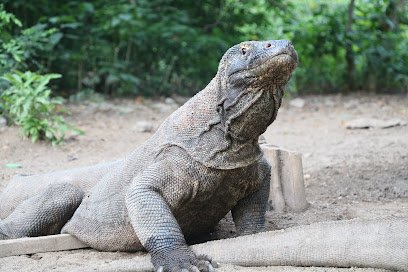
Flores, an island in Indonesia’s East Nusa Tenggara province, is emerging as a compelling destination for Flores adventure sports and extreme tourism investment. With its dramatic volcanic landscapes, pristine coastlines, and rich biodiversity, Flores offers outdoor activity investors a unique opportunity to tap into the growing adventure tourism market in Southeast Asia. As travelers increasingly seek authentic, adrenaline-fueled experiences beyond traditional beach resorts, Flores presents a relatively untapped market with significant growth potential for adventure tour operators and extreme sports businesses.
The island’s natural assets—including active volcanoes, rugged mountain terrain, world-class diving sites, and challenging trekking routes—create an ideal foundation for developing a diverse portfolio of adventure sports offerings. This article examines the investment landscape for extreme tourism ventures in Flores, covering market dynamics, infrastructure requirements, regulatory frameworks, and the strategic considerations that will shape success in this emerging sector.
Adventure Sports Market
The Flores adventure sports tourism market is positioned at an inflection point, with growing international awareness driven by the island’s iconic attractions such as Komodo National Park and the tri-colored crater lakes of Kelimutu. While traditional tourism has focused primarily on these natural wonders, the adventure sports segment remains underdeveloped relative to the island’s potential.
Current adventure activities available in Flores include scuba diving and snorkeling in the Komodo archipelago, volcano trekking, mountain biking, kayaking, and basic rock climbing. However, the market lacks the sophisticated infrastructure and professional operations common in more established adventure destinations like Bali or Thailand. This gap represents both a challenge and an opportunity for investors willing to establish high-quality, safety-focused adventure sports businesses.
The target market for Flores adventure sports comprises several key segments: international backpackers seeking authentic experiences, affluent adventure travelers willing to pay premium prices for exclusive activities, domestic Indonesian tourists from urban centers, and specialized groups such as diving enthusiasts and volcano trekkers. Market research suggests that adventure tourists typically spend 30-50% more per day than conventional tourists, making this segment particularly attractive from a revenue perspective.
Seasonal patterns significantly influence the adventure sports market in Flores. The dry season from April to December offers optimal conditions for most outdoor activities, while the wet season from January to March can limit certain operations. Successful businesses will need to develop year-round offerings or diversify across activities with different seasonal profiles to maintain consistent revenue streams.
Equipment and Facilities
Establishing Flores adventure sports operations in Flores requires substantial investment in specialized equipment and facilities. The remote nature of many adventure sites and the island’s limited infrastructure mean that operators cannot rely on readily available rental equipment or support services as they might in more developed destinations.
For diving operations, investors must budget for boats, compressors, tanks, regulators, wetsuits, and safety equipment meeting international standards. A professional dive center serving 20-30 divers daily typically requires an initial equipment investment of $80,000-$150,000, depending on the quality and quantity of gear. Maintenance facilities, storage areas, and retail spaces add to the capital requirements.
Land-based adventure activities demand different infrastructure. Mountain biking operations need fleets of quality bikes suitable for rugged terrain, maintenance workshops, and vehicle support for transfers and emergencies. Rock climbing and canyoning ventures require extensive safety equipment including ropes, harnesses, helmets, and anchoring systems, plus the expertise to establish and maintain routes according to international safety standards.
Accommodation and base facilities represent another significant investment category. Many adventure sports locations in Flores lack nearby lodging options, creating opportunities for integrated resorts or camps that combine accommodation with activity offerings. These facilities must balance rustic authenticity with the comfort and safety standards expected by international travelers, typically requiring investments of $200,000-$500,000 for a mid-scale operation serving 30-50 guests.
Transportation infrastructure poses particular challenges in Flores. The island’s road network remains underdeveloped in many areas, and accessing remote adventure sites often requires four-wheel-drive vehicles, boats, or even helicopter support for premium offerings. Investors should budget 15-25% of total capital for transportation assets and their ongoing maintenance.
Safety Standards
Safety standards represent both a critical operational requirement and a key differentiator in the Flores adventure sports market. As extreme tourism grows, establishing and maintaining rigorous safety protocols will be essential for protecting clients, managing liability, and building a sustainable reputation in the industry.
International Flores adventure sports operators typically follow standards established by organizations such as PADI for diving, UIAA for climbing, or similar industry bodies for other activities. Implementing these standards in Flores requires significant investment in staff training, equipment certification, emergency response capabilities, and ongoing safety audits. However, operators who achieve international certification can command premium pricing and attract safety-conscious travelers willing to pay more for professionally managed experiences.
Emergency response planning is particularly crucial given Flores’s remote locations and limited medical infrastructure. Adventure sports businesses must develop comprehensive emergency protocols including evacuation procedures, first aid capabilities, communication systems, and partnerships with medical facilities. Many operators find it necessary to employ staff with wilderness first responder or emergency medical technician certifications, and to maintain emergency equipment including satellite phones, GPS devices, and first aid supplies suitable for remote environments.
Insurance considerations are complex in the Indonesian adventure tourism context. Operators need comprehensive liability coverage, but finding insurers willing to underwrite extreme sports activities in emerging markets can be challenging and expensive. Many successful operators work with international insurance brokers specializing in adventure tourism to structure appropriate coverage, with annual premiums typically ranging from 3-8% of gross revenue depending on activities offered and safety track records.
Weather monitoring and environmental risk assessment systems are essential for safe operations. Flores’s volcanic activity, seasonal weather patterns, and marine conditions require operators to maintain current information and make real-time decisions about activity feasibility. Investing in weather monitoring equipment, establishing relationships with local authorities and meteorological services, and developing clear protocols for activity cancellations based on safety criteria are all necessary components of a professional operation.

Featured Land & Development
Tour Operator Licenses
Navigating Indonesia’s regulatory framework for tour operators requires careful attention to multiple licensing requirements at national, provincial, and local levels. The regulatory environment for adventure sports businesses in Flores involves several key permits and certifications that investors must secure before commencing operations.
At the national level, tour operators must register with Indonesia’s Ministry of Tourism and obtain a Tourism Business Registration Certificate (Tanda Daftar Usaha Pariwisata or TDUP). This process requires demonstrating adequate capital, qualified management, and compliance with Indonesian business regulations. Foreign investors typically establish a PT PMA (foreign investment company) structure, which requires minimum capital investments and Indonesian partnership arrangements depending on the specific business activities.
Provincial and local permits add additional layers of regulatory compliance. East Nusa Tenggara province and local regencies in Flores issue various permits related to environmental management, land use, and tourism operations. Activities in protected areas such as Komodo National Park or Kelimutu National Park require special permits from park authorities, often with limitations on visitor numbers, activity types, and operational areas.
Specialized activity licenses may be required for certain adventure sports. Diving operations need certification from Indonesian diving authorities, while activities involving motorized equipment, aviation (for paragliding or helicopter tours), or operations in marine protected areas face additional regulatory scrutiny. The licensing process can take 6-12 months for a comprehensive adventure sports operation, and investors should budget for legal and consulting fees to navigate the regulatory landscape effectively.
Ongoing compliance requirements include regular reporting to tourism authorities, tax obligations, environmental impact assessments for certain activities, and periodic license renewals. Successful operators typically employ local staff familiar with regulatory requirements or retain legal counsel specializing in Indonesian tourism law to ensure continued compliance and avoid operational disruptions.
Investment Requirements
The capital requirements for establishing adventure sports operations in Flores vary significantly based on the scale, activities offered, and level of infrastructure development. Understanding the full investment spectrum—from initial capital to working capital and contingency reserves—is essential for realistic business planning.
A basic single-activity operation, such as a small diving center or trekking guide service, might require initial investments of $50,000-$150,000. This covers essential equipment, basic facilities, initial licensing and legal costs, marketing, and working capital for the first 6-12 months of operations. However, such modest operations face significant challenges in achieving profitability given Flores’s seasonal tourism patterns and the need for substantial marketing to attract clients to a relatively unknown destination.
Mid-scale integrated adventure sports businesses offering multiple activities and basic accommodation typically require investments of $300,000-$800,000. This level of investment allows for professional-grade equipment across several activity categories, comfortable base facilities, reliable transportation assets, properly trained staff, and sufficient marketing budget to establish market presence. These operations are better positioned to achieve year-round viability through activity diversification and can target both budget-conscious backpackers and mid-market adventure travelers.
Premium adventure resorts or comprehensive outdoor activity centers represent the high end of the investment spectrum, with capital requirements of $1-3 million or more. These operations combine luxury accommodation with extensive adventure offerings, professional guide services, and the infrastructure to serve affluent international travelers expecting world-class experiences. While requiring substantial capital, premium operations can command significantly higher pricing and achieve better margins once established.
Beyond initial capital, investors must plan for ongoing operational costs including staff salaries, equipment maintenance and replacement, marketing, insurance, licensing fees, and utilities. Adventure sports businesses in Flores typically face higher operational costs than comparable operations in more developed destinations due to logistics challenges, equipment import costs, and the need for more extensive staff training. Working capital requirements to cover 6-12 months of operations are prudent given seasonal revenue fluctuations.
Return on investment timelines for adventure sports businesses in Flores typically extend 4-7 years for initial capital recovery, with profitability potentially achievable within 2-3 years for well-managed operations. These timelines assume steady market growth, effective marketing, and successful operational execution—all of which carry inherent risks in an emerging market.
Market Potential
The market potential for adventure sports in Flores is substantial but contingent on several factors including infrastructure development, marketing effectiveness, and broader tourism growth in eastern Indonesia. Several trends suggest favorable long-term prospects for investors willing to enter this emerging market.
Tourism growth in Indonesia has consistently outpaced global averages, with adventure tourism representing one of the fastest-growing segments. As Bali and other established destinations face overcrowding and environmental pressures, both travelers and the Indonesian government are increasingly focused on developing alternative destinations. Flores benefits from this strategic shift, with government initiatives aimed at improving connectivity and promoting eastern Indonesian tourism.
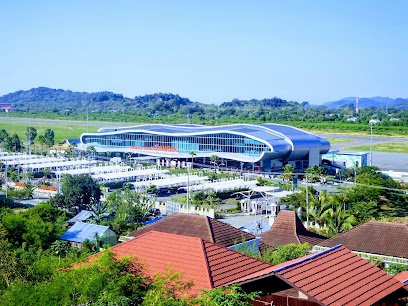
Infrastructure improvements are gradually enhancing Flores’s accessibility. Airport expansions in Labuan Bajo and Maumere, road network improvements, and increased flight connections from major Indonesian cities and international hubs are reducing the logistical barriers that have historically limited tourism growth. These improvements directly benefit adventure sports operators by making it easier for clients to reach activity locations and reducing operational costs.
The competitive landscape in Flores adventure sports remains relatively open, with few established operators and significant room for new entrants who can deliver professional, safety-focused experiences. First-mover advantages are available for investors who establish strong brands, secure prime locations, and build relationships with international tour operators and travel agents. However, as the market develops, competition will intensify, making early entry strategically advantageous.
Market risks include Indonesia’s regulatory complexity, potential environmental restrictions as authorities balance tourism development with conservation, infrastructure limitations that may persist despite improvement efforts, and vulnerability to external shocks such as volcanic activity, natural disasters, or global events affecting travel. The COVID-19 pandemic demonstrated the vulnerability of tourism-dependent businesses, highlighting the importance of financial resilience and operational flexibility.
Long-term market potential appears strongest for operators who can differentiate through exceptional safety standards, unique activity offerings, sustainable practices that appeal to environmentally conscious travelers, and integrated experiences combining adventure sports with cultural immersion and natural exploration. The adventure tourism market increasingly values authenticity and sustainability alongside adrenaline, creating opportunities for operators who can deliver comprehensive, responsible tourism experiences.
Successful market entry will require substantial patience, cultural sensitivity, strong local partnerships, and realistic expectations about development timelines. Flores is not a quick-return investment market, but for investors with appropriate capital, risk tolerance, and long-term perspective, the island offers compelling opportunities to establish market-leading positions in an emerging adventure sports destination with significant growth potential over the coming decade.
Key Questions About Adventure Sports Investment in Flores
1. What are the typical investment requirements for starting an adventure sports business in Flores?
Investment requirements range from $50,000-$150,000 for basic single-activity operations like small diving centers or trekking services, $300,000-$800,000 for mid-scale integrated businesses offering multiple activities and accommodation, and $1-3 million for premium adventure resorts. These figures cover equipment, facilities, licensing, marketing, and 6-12 months of working capital, with return on investment typically taking 4-7 years.
2. What licenses and permits are required to operate adventure tourism businesses in Flores?
Operators must obtain a Tourism Business Registration Certificate (TDUP) from Indonesia’s Ministry of Tourism, establish a PT PMA structure for foreign investment, and secure provincial and local permits for environmental management and land use. Activities in protected areas like Komodo National Park require special permits, and specialized licenses are needed for diving, aviation, and motorized equipment operations. The complete licensing process typically takes 6-12 months.
3. What safety standards and certifications are necessary for adventure sports operations in Flores?
International certifications from organizations like PADI for diving and UIAA for climbing are essential for credibility and premium pricing. Operators must invest in staff training, equipment certification, emergency response capabilities including wilderness first responder certifications, comprehensive liability insurance (3-8% of gross revenue), and weather monitoring systems. Emergency protocols must address Flores’s remote locations and limited medical infrastructure.
4. What is the market potential for adventure tourism in Flores compared to established destinations?
Flores represents an emerging market with significant growth potential as travelers seek alternatives to overcrowded destinations like Bali. The island benefits from government initiatives to develop eastern Indonesian tourism, infrastructure improvements including airport expansions, and relatively open competition with first-mover advantages available. However, the market requires patience, with seasonal patterns (dry season April-December optimal) and 2-3 years to profitability for well-managed operations.
5. What equipment and infrastructure investments are essential for adventure sports operations in Flores?
Diving operations require $80,000-$150,000 for boats, compressors, tanks, and safety equipment. Land-based activities need quality bikes, maintenance workshops, climbing gear, and safety systems. Integrated operations typically invest $200,000-$500,000 in accommodation facilities for 30-50 guests. Transportation infrastructure demands 15-25% of total capital for four-wheel-drive vehicles, boats, and maintenance, as Flores’s remote locations and underdeveloped road networks require self-sufficient operations.

Author: Flores Insider
Welcome to Discover Flores — your trusted guide to exploring Indonesia’s untamed island paradise. From Komodo National Park and Kelimutu’s tri-colored lakes to hidden beaches, dive spots, and Labuan Bajo real estate opportunities, Discover Flores brings you the best of travel, lifestyle, and investment across the island. Plan your next adventure, find the top tours and accommodations, and uncover why Flores is Indonesia’s rising gem for eco-tourism, digital nomads, and sustainable travel.