
The Trans-Flores Highway stretches across one of Indonesia’s most captivating yet underexplored islands, offering independent travelers an extraordinary overland journey through volcanic landscapes, traditional villages, and pristine coastlines. This comprehensive road trip itinerary is designed for adventurous travelers seeking to experience the entire island at their own pace, away from the typical tourist circuits that dominate neighboring Bali and Lombok.
Flores remains one of Eastern Indonesia’s best-kept secrets, where the journey itself becomes as rewarding as the destinations. The Trans-Flores Highway connects the western port town of Labuan Bajo—gateway to Komodo National Park—with Larantuka in the east, traversing approximately 670 kilometers of diverse terrain that showcases the island’s remarkable cultural and natural diversity.
Route Planning
Planning your Trans-Flores Highway road trip requires careful consideration of timing, transportation, and realistic daily distances. The complete journey typically takes 7-10 days for travelers who want to experience the island thoroughly rather than simply driving through.
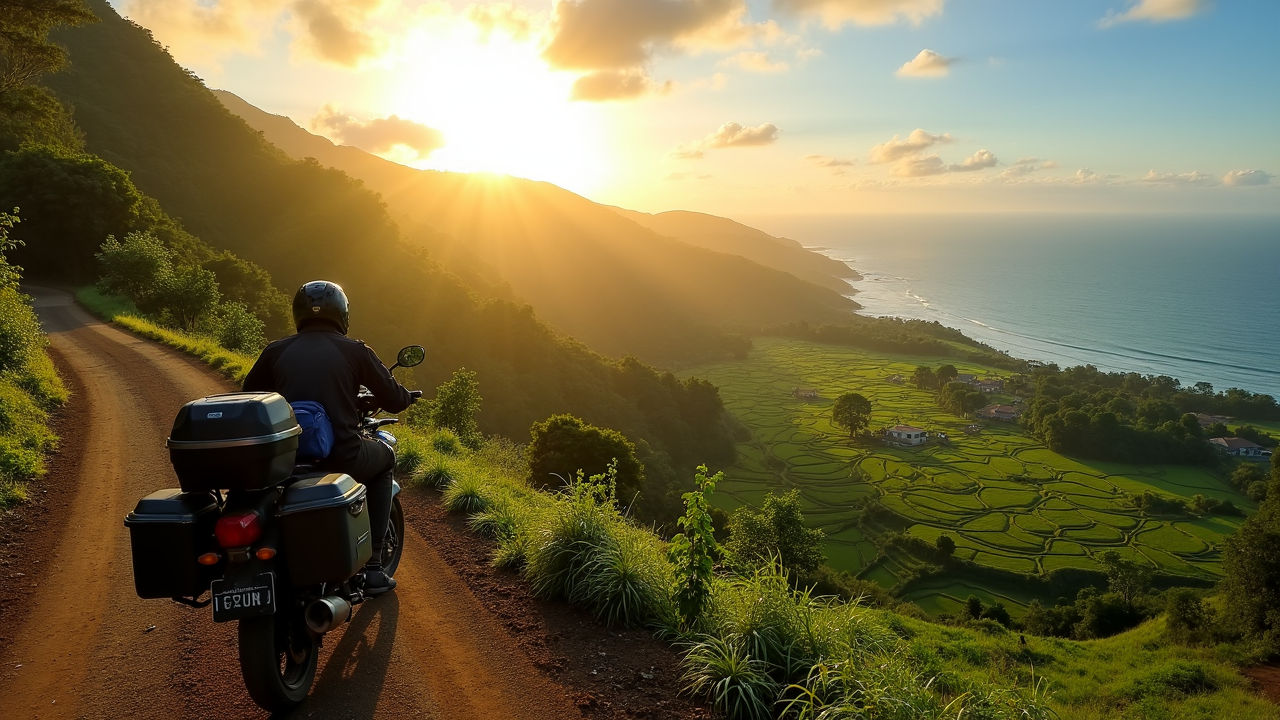
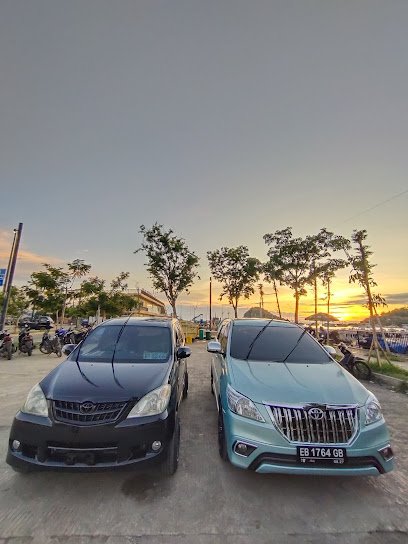
The most common starting point is Labuan Bajo, accessible by direct flights from Bali and other Indonesian cities. From here, the highway winds eastward through mountain passes, coastal stretches, and rural villages. Independent travelers have several transportation options: renting a motorbike offers maximum flexibility and is popular among experienced riders, while hiring a car with driver provides comfort and local knowledge. Some travelers opt for a combination, using public buses for longer segments and renting motorbikes for exploring specific regions.
Road conditions vary significantly along the route. While major sections have been paved and improved in recent years, some stretches—particularly in the central highlands—can be challenging during the rainy season (November through March). The dry season (April through October) offers the most reliable road conditions and clearer views of the volcanic landscapes that define Flores.
Daily driving distances should be kept reasonable, typically 100-150 kilometers, as mountain roads require slower speeds and frequent stops for photography and cultural encounters make rushing counterproductive. The winding nature of the highway means that even short distances can take several hours.
Must-Stop Destinations
The Trans-Flores Highway connects several unmissable destinations that justify extended stops along your journey. Each offers unique experiences that capture different facets of Flores’s character.
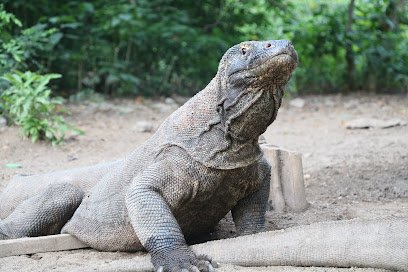
Labuan Bajo serves as more than just a starting point—this bustling port town provides access to Komodo National Park and offers excellent seafood, sunset viewpoints, and a growing selection of accommodations. Budget 2-3 days here for diving, snorkeling, or boat trips to see the famous Komodo dragons.
Ruteng, located in the western highlands, sits at the heart of Manggarai culture and provides access to the spectacular spider web rice fields (lingko). The cooler climate and traditional villages surrounding Ruteng make it an ideal place to break your journey and experience authentic Flores hospitality.
Bajawa offers proximity to the traditional Ngada villages of Bena and Luba, where ancient megalithic traditions persist. The hot springs near Soa and the dramatic volcanic landscape surrounding this highland town create memorable experiences for travelers interested in both culture and nature.
Kelimutu National Park, accessible from the town of Moni, features the famous tri-colored crater lakes that have become Flores’s most iconic natural attraction. Sunrise visits reveal the lakes’ remarkable colors—which can range from turquoise to green to black—creating one of Indonesia’s most photographed landscapes.
Ende, a coastal town with historical significance as the place where Indonesia’s founding father Sukarno was exiled, offers a glimpse into the island’s colonial past and serves as a convenient base for exploring the southern coast.
Maumere, in eastern Flores, provides access to excellent diving and snorkeling sites, traditional ikat weaving villages, and the opportunity to experience the island’s Catholic heritage, which distinguishes Flores from predominantly Muslim Indonesia.
Accommodation Along the Way
Accommodation options along the Trans-Flores Highway have expanded significantly as independent travel to the island has grown, though facilities remain more basic than in Bali or Java. Each major town offers a range of options suitable for different budgets and comfort levels.
Labuan Bajo features the widest selection, from budget hostels popular with backpackers to mid-range hotels and a few upscale resorts. Booking ahead during peak season (July-August) is advisable, as the town’s popularity as a Komodo gateway means accommodations fill quickly.
In highland towns like Ruteng and Bajawa, family-run guesthouses and small hotels provide clean, comfortable rooms with hot water—a welcome amenity in the cooler mountain climate. These establishments often arrange village visits and trekking guides, adding value beyond simple accommodation.
Moni, the small village near Kelimutu, offers basic but adequate guesthouses where travelers gather to share experiences and arrange early morning trips to the crater lakes. The simple facilities reflect the village’s remote location but provide everything necessary for a comfortable stay.
Ende and Maumere, as larger regional centers, offer more variety including business hotels that cater to domestic travelers and government officials. While less atmospheric than village guesthouses, these provide reliable standards and often include breakfast.
Throughout the journey, homestays in traditional villages offer the most authentic cultural experiences, though facilities are basic and require flexibility and cultural sensitivity from guests.
Featured undefined Activities Listings

Cultural Encounters
The Trans-Flores Highway road trip provides unparalleled opportunities for meaningful cultural encounters that distinguish this journey from typical beach holidays. Flores’s diverse ethnic groups—including Manggarai, Ngada, Ende, and Lamaholot peoples—maintain distinct traditions, languages, and customs.
Traditional villages welcome respectful visitors, though it’s essential to travel with a local guide who can facilitate introductions and explain customs. Many villages request small entrance fees or donations that support community maintenance, a reasonable expectation that travelers should budget for.
Witnessing traditional ceremonies, when timing permits, offers profound insights into Flores’s living cultures. Harvest festivals, wedding ceremonies, and ritual events occur throughout the year, though schedules are rarely fixed far in advance. Flexible itineraries increase the chances of experiencing these authentic cultural moments.
The island’s predominantly Catholic population—a legacy of Portuguese colonial influence—creates a unique cultural landscape in Muslim-majority Indonesia. Churches feature prominently in towns and villages, and religious festivals blend Catholic and indigenous traditions in fascinating ways.
Local markets in each town provide daily opportunities for cultural interaction. These bustling centers of commerce offer insights into daily life, regional produce, and traditional crafts including the intricate ikat textiles for which Flores is renowned.
Photography Spots
The Trans-Flores Highway delivers exceptional photography opportunities that capture the island’s dramatic landscapes and vibrant cultures. Serious photographers should budget extra time at key locations to capture optimal lighting conditions.
The Kelimutu crater lakes at sunrise provide Flores’s most iconic images, with the tri-colored waters creating surreal compositions. Arriving before dawn ensures the best light and fewer crowds, though weather conditions significantly affect visibility and color intensity.
Ruteng’s spider web rice fields (lingko) create geometric patterns best photographed from elevated viewpoints during the growing season when the fields display various shades of green. The unique circular and radial field divisions reflect traditional Manggarai land distribution systems.
Traditional villages like Bena offer rich opportunities for architectural and portrait photography, though always request permission before photographing people and be prepared to offer small payments for posed portraits—a reasonable expectation in communities that receive regular visitors.
Coastal viewpoints along the southern route between Ende and Maumere reveal dramatic seascapes where volcanic mountains meet turquoise waters. These less-visited stretches offer opportunities for landscape photography without crowds.
Daily life along the highway—markets, roadside scenes, village activities—provides compelling documentary photography subjects that capture authentic Flores beyond the famous landmarks.
Budget Breakdown
Understanding the costs associated with a Trans-Flores Highway road trip helps travelers plan appropriately and set realistic expectations for this independent adventure. Flores remains significantly more affordable than Bali, though prices have risen as tourism develops.
Transportation represents the largest variable expense. Motorbike rentals in Labuan Bajo typically cost 75,000-100,000 IDR per day (approximately $5-7 USD), while hiring a car with driver runs 600,000-800,000 IDR daily ($40-55 USD). Fuel costs add approximately 15,000-20,000 IDR per liter, with total fuel expenses depending on your vehicle and route.
Accommodation ranges from 100,000-150,000 IDR ($7-10 USD) for basic guesthouses to 300,000-500,000 IDR ($20-35 USD) for comfortable mid-range hotels. Labuan Bajo’s prices run higher than other towns along the route.
Meals cost 25,000-50,000 IDR ($2-3.50 USD) at local warungs (small restaurants) and 75,000-150,000 IDR ($5-10 USD) at tourist-oriented restaurants. Eating where locals eat significantly reduces costs while providing authentic culinary experiences.
Entrance fees to attractions vary: Kelimutu National Park charges 150,000 IDR for foreign visitors, traditional villages typically request 50,000-100,000 IDR, and Komodo National Park (if included) requires substantially higher fees starting at 1,500,000 IDR on weekdays.
A realistic daily budget for independent travelers ranges from 400,000-600,000 IDR ($27-40 USD) for budget-conscious backpackers to 1,000,000-1,500,000 IDR ($70-100 USD) for those seeking more comfort. A complete 10-day Trans-Flores Highway road trip might cost $500-1,000 USD per person, excluding international flights.
The Trans-Flores Highway road trip rewards independent travelers with authentic experiences, dramatic landscapes, and cultural encounters that remain rare in an increasingly homogenized travel landscape. As infrastructure continues improving, the window for experiencing Flores before mass tourism arrives remains open but narrowing. For adventurous travelers seeking roads less traveled, this overland journey across one of Indonesia’s most captivating islands offers an unforgettable adventure that showcases the rewards of independent exploration.
Frequently Asked Questions About the Trans-Flores Highway Road Trip
Q: How long does it take to drive the entire Trans-Flores Highway from Labuan Bajo to Larantuka?
A: The complete Trans-Flores Highway spans approximately 670 kilometers, but don’t let the distance fool you—this isn’t a journey to rush. Most independent travelers take 7-10 days to experience the route properly. The winding mountain roads, frequent photo stops, and cultural encounters mean that even 100-150 kilometers can take a full day. While it’s technically possible to drive the entire route in 3-4 days, you’d miss the authentic village experiences, sunrise at Kelimutu, and cultural immersion that make this journey special. Plan for at least a week to truly appreciate what Flores has to offer.
Q: Is it better to rent a motorbike or hire a car with driver for the Trans-Flores Highway?
A: Both options have merits depending on your experience and preferences. Motorbikes (costing 75,000-100,000 IDR per day) offer maximum flexibility and are ideal for experienced riders who enjoy the freedom of stopping anywhere. However, road conditions can be challenging, especially in the rainy season and central highlands. Hiring a car with driver (600,000-800,000 IDR daily) provides comfort, local knowledge, and someone who knows how to navigate tricky road conditions. Many travelers find the car option worthwhile for the cultural insights drivers provide. If you’re unsure, consider starting with a car and renting motorbikes for day trips in specific regions like around Ruteng or Bajawa.
Q: What’s the best time of year to drive the Trans-Flores Highway?
A: The dry season from April through October offers the most reliable conditions for a Trans-Flores road trip. During these months, you’ll encounter better road conditions, clearer views of volcanic landscapes, and more predictable weather for sunrise visits to Kelimutu. The rainy season (November-March) brings challenging road conditions, particularly in the central highlands where landslides can occasionally block routes. July and August represent peak season, especially in Labuan Bajo, so book accommodations ahead. The shoulder months of April-May and September-October offer excellent conditions with fewer crowds and better accommodation availability.
Q: How much should I budget for a 10-day Trans-Flores Highway road trip?
A: Budget requirements vary significantly based on your travel style. Budget backpackers can manage on 400,000-600,000 IDR ($27-40 USD) per day by staying in basic guesthouses, eating at local warungs, and sharing transportation costs. Mid-range travelers seeking more comfort should budget 1,000,000-1,500,000 IDR ($70-100 USD) daily for better accommodations and private transportation. For a complete 10-day trip, expect total costs of $500-1,000 USD per person (excluding international flights). Major expenses include transportation (motorbike rental or car hire), accommodation, entrance fees (Kelimutu at 150,000 IDR, villages at 50,000-100,000 IDR), and meals. Flores remains significantly more affordable than Bali, and eating where locals eat can substantially reduce costs.
Q: Do I need a guide for the Trans-Flores Highway, or can I navigate independently?
A: The Trans-Flores Highway itself is navigable independently—the main route is well-established and increasingly well-signed. However, local guides add tremendous value for cultural encounters and village visits. Many traditional villages require proper introductions and cultural protocol knowledge that guides provide. You can drive independently between towns and hire local guides in places like Ruteng, Bajawa, and Moni for specific village visits and cultural experiences. Most guesthouses can arrange guides for 200,000-400,000 IDR per day. GPS and offline maps (like Maps.me) work well for navigation, though some remote areas have limited coverage. A hybrid approach—independent driving with occasional guided experiences—offers the best balance of freedom and cultural depth.

Author: Flores Insider
Welcome to Discover Flores — your trusted guide to exploring Indonesia’s untamed island paradise. From Komodo National Park and Kelimutu’s tri-colored lakes to hidden beaches, dive spots, and Labuan Bajo real estate opportunities, Discover Flores brings you the best of travel, lifestyle, and investment across the island. Plan your next adventure, find the top tours and accommodations, and uncover why Flores is Indonesia’s rising gem for eco-tourism, digital nomads, and sustainable travel.





One response to “The Complete Trans-Flores Highway Road Trip Itinerary: Your Ultimate Guide to Exploring Indonesia’s Hidden Gem”
[…] as an important waypoint for travelers exploring Flores Island, positioned roughly midway along the Trans-Flores Highway between Maumere to the east and Bajawa to the west. Unlike the more tourist-oriented destinations […]