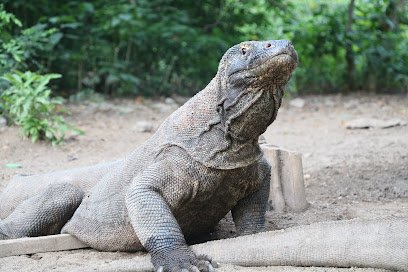
Nestled in the heart of Indonesia’s Lesser Sunda Islands, Flores has emerged as one of the world’s premier diving destinations, offering underwater experiences that rival—and often surpass—more famous locations. This comprehensive guide explores why serious divers and underwater enthusiasts are increasingly choosing Flores as their destination of choice, from the legendary waters of Komodo National Park to lesser-known sites that promise extraordinary marine encounters.
Top Dive Sites in Flores Waters
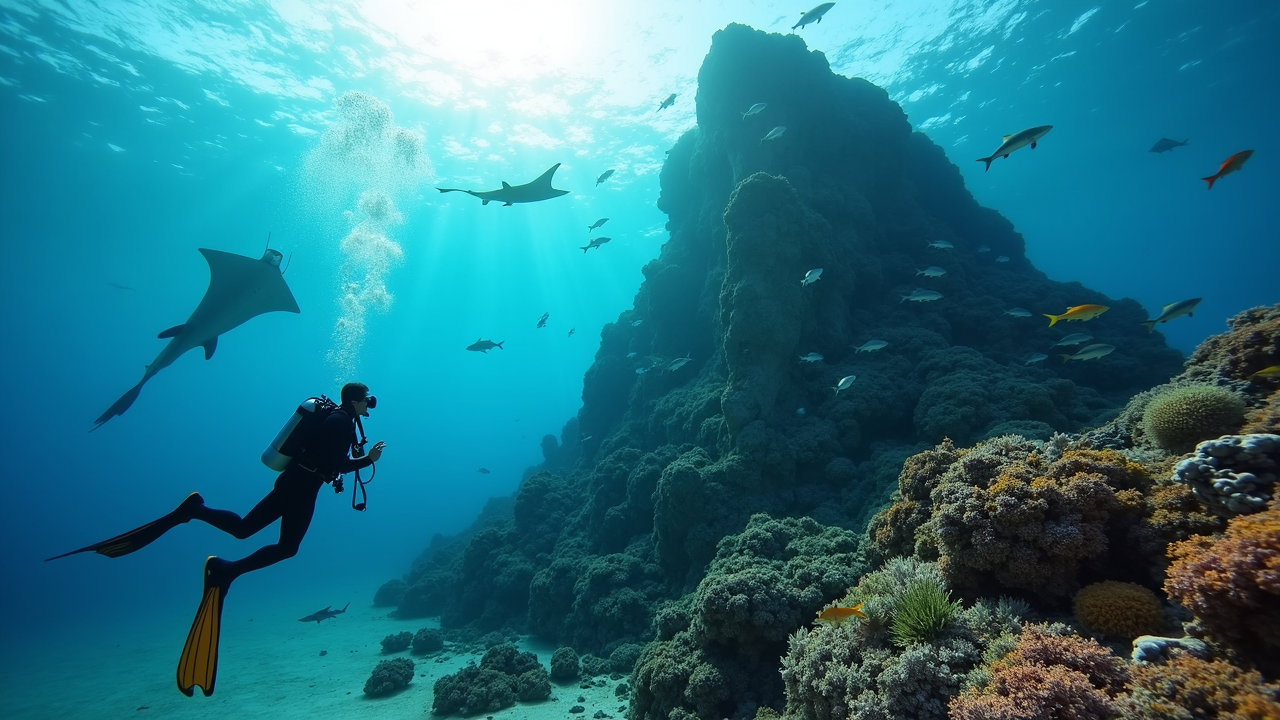
The Flores diving region encompasses some of Indonesia’s most spectacular underwater landscapes, with Komodo National Park serving as the crown jewel. Castle Rock stands out as a world-class dive site where strong currents attract massive schools of fish, reef sharks, and occasional manta ray sightings. The site’s dramatic underwater pinnacles create natural highways for pelagic species, making every dive an adrenaline-filled adventure.
Batu Bolong, another iconic location, features a submerged rock formation that rises from depths exceeding 40 meters to just below the surface. This site is renowned for its incredible biodiversity, with divers regularly encountering white-tip reef sharks, giant trevally, and vibrant soft coral gardens. The strong currents that characterize this site make it suitable for experienced divers seeking thrilling drift dives.
Crystal Rock offers similar dramatic topography with slightly more manageable currents, making it accessible to a broader range of skill levels. The site’s name derives from the exceptional visibility often exceeding 30 meters, allowing divers to fully appreciate the spectacular coral formations and abundant marine life. Manta Alley lives up to its name as a reliable location for encountering these graceful giants, particularly during cleaning station activity.
Beyond Komodo, the waters around Flores proper offer excellent diving opportunities that receive less attention but deliver equally impressive experiences. Sites near Labuan Bajo, Maumere, and Riung showcase healthy coral reefs, macro life, and unique geological formations that appeal to photographers and marine life enthusiasts.
Marine Biodiversity: An Underwater Eden
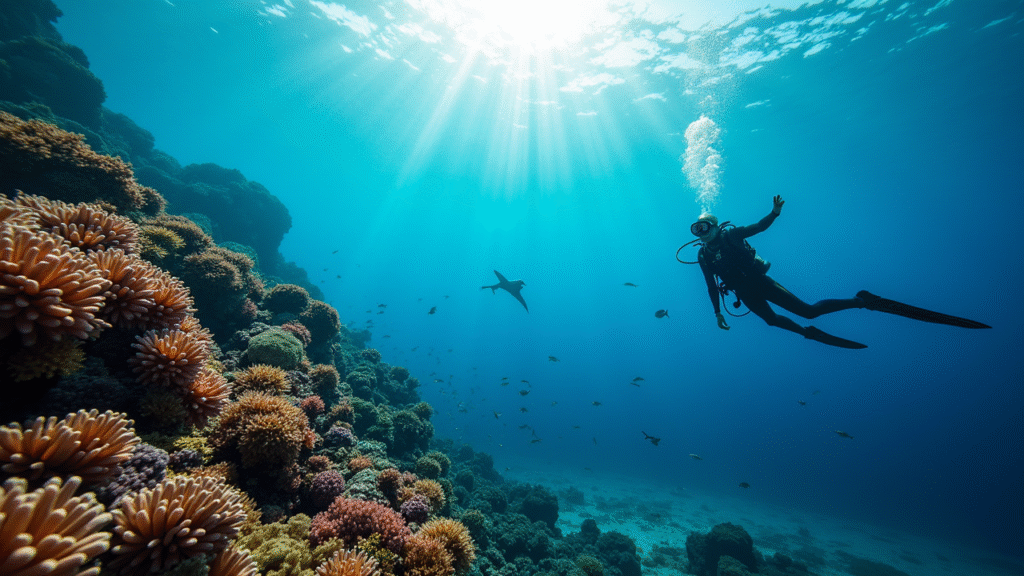
The marine biodiversity in Flores waters represents one of the richest ecosystems on the planet, situated within the Coral Triangle—the global epicenter of marine life diversity. Divers can expect to encounter over 1,000 species of fish and 260 species of reef-building corals, creating an underwater kaleidoscope that changes with every dive.
Large pelagic species frequent the region’s nutrient-rich waters, with regular sightings of manta rays, reef sharks, eagle rays, and occasional whale sharks. The strong currents that characterize many Flores dive sites bring deep-water nutrients to the surface, supporting massive schools of fish that attract these larger predators. Tuna, barracuda, and giant trevally patrol the reefs in impressive numbers.
Macro life enthusiasts will find Flores equally rewarding, with numerous sites offering exceptional opportunities to photograph nudibranchs, pygmy seahorses, frogfish, and rare critters like the mimic octopus and blue-ring octopus. The diversity of habitats—from steep walls and pinnacles to gentle slopes and muck diving sites—ensures that every diving preference is accommodated.
The coral health in many Flores locations remains exceptional, with vibrant hard and soft corals creating three-dimensional reef structures that serve as critical habitat for countless species. This biodiversity matters not only for the diving experience but also for the broader marine ecosystem and the local communities that depend on healthy oceans for their livelihoods.
Best Diving Seasons and Conditions
Understanding the seasonal patterns in Flores is essential for planning an optimal diving trip. The region experiences two distinct seasons that significantly impact diving conditions, visibility, and marine life encounters. The dry season, running from April through November, generally offers the best diving conditions with calmer seas, excellent visibility, and comfortable air temperatures.
Peak diving season occurs from April to June and September to November, when conditions are most stable and visibility often exceeds 25-30 meters. Water temperatures during these months range from 26-29°C (79-84°F), making a 3mm wetsuit adequate for most divers. These periods also coincide with increased manta ray activity, particularly around cleaning stations.
The wet season, from December through March, brings more challenging conditions with rougher seas, reduced visibility, and occasional strong currents. However, this period also offers advantages for experienced divers, including fewer crowds, lower prices, and unique marine life encounters. Some operators continue diving throughout the wet season, though site selection becomes more weather-dependent.
Current patterns vary significantly between sites and throughout the day, with some locations experiencing powerful currents that require advanced diving skills and proper planning. Divers should expect current speeds ranging from gentle drifts to challenging flows exceeding two knots, making dive briefings and guide expertise crucial for safe and enjoyable experiences.
PADI Centers and Diving Infrastructure
Flores has developed robust diving infrastructure, particularly around Labuan Bajo, which serves as the primary gateway to Komodo National Park diving. Numerous PADI-certified dive centers operate in the region, offering services ranging from introductory dives to technical diving courses and specialized training.
Reputable dive operators maintain high safety standards, modern equipment, and experienced dive guides who possess intimate knowledge of local sites and conditions. Many centers offer multilingual instruction, catering to the international diving community that visits Flores. PADI courses from Open Water through Divemaster are readily available, with some centers also offering specialty certifications in underwater photography, deep diving, and drift diving.
The quality of diving services has improved significantly in recent years, with operators investing in better boats, equipment, and training. Most established centers maintain small group sizes, typically limiting groups to four divers per guide to ensure personalized attention and enhanced safety. Equipment rental is widely available, though serious divers often prefer bringing their own gear, particularly computers, masks, and cameras.
When selecting a dive operator, divers should verify PADI affiliation, check equipment condition, inquire about guide-to-diver ratios, and read recent reviews from other divers. The investment in choosing a quality operator pays dividends in safety, comfort, and overall diving experience.
Liveaboard Options: The Ultimate Diving Experience
Liveaboard diving represents the premier way to experience Flores waters, offering access to remote sites, multiple daily dives, and the convenience of living aboard a vessel designed specifically for divers. Numerous liveaboard operators run trips through the Komodo region, with itineraries typically ranging from three to seven nights.
Standard liveaboard itineraries depart from Labuan Bajo and explore the best sites within Komodo National Park, often including 3-4 dives daily plus night dives. Longer trips may extend north to the Alor region or south toward Sumbawa, accessing sites rarely visited by day boats. This extended range allows divers to experience the full diversity of Flores diving, from current-swept pinnacles to tranquil coral gardens.
Liveaboard vessels vary significantly in comfort level and price, from budget-friendly options with basic accommodations to luxury vessels featuring spacious cabins, gourmet dining, and premium amenities. Most boats accommodate 10-20 divers, creating a community atmosphere while maintaining manageable group sizes underwater. Dedicated camera rooms, charging stations, and rinse tanks cater to underwater photographers.
The advantages of liveaboard diving include maximizing bottom time, accessing remote sites impossible for day boats, enjoying night dives in pristine locations, and eliminating daily travel time. For serious divers visiting Flores, a liveaboard trip often provides the most comprehensive and rewarding experience, though it requires a larger budget and time commitment than shore-based diving.
Underwater Photography in Flores Waters
Flores has established itself as a world-class destination for underwater photography, offering subjects ranging from dramatic wide-angle scenes to intricate macro compositions. The exceptional visibility, diverse marine life, and dramatic underwater topography create ideal conditions for capturing stunning images.
Wide-angle photographers will find endless opportunities at sites like Castle Rock and Batu Bolong, where strong currents concentrate fish into massive schools and attract large pelagics. The clear water and dramatic lighting conditions allow for compelling compositions featuring divers, sharks, and coral formations. Manta ray encounters provide particularly photogenic moments, with these graceful creatures often approaching closely enough for frame-filling portraits.
Macro photography enthusiasts can dedicate entire dives to searching for rare critters and colorful nudibranchs. The diversity of small subjects—from pygmy seahorses and frogfish to ornate ghost pipefish and various octopus species—ensures that macro photographers never run out of subjects. Many dive guides specialize in critter finding, significantly increasing the chances of locating rare and unusual subjects.
Several dive operators and liveaboards cater specifically to photographers, offering extended bottom times, dedicated camera support, and guides trained in marine life identification and photography assistance. Camera rental services are available in Labuan Bajo, though serious photographers typically bring their own equipment. The investment in underwater photography gear pays significant dividends in Flores, where every dive presents opportunities for portfolio-quality images.
For photographers planning a Flores trip, considerations include bringing backup equipment, ensuring adequate battery capacity for multiple daily dives, and protecting gear from the marine environment. Many photographers find that a week-long liveaboard trip provides the ideal balance of diving opportunities and time to review and organize images between dives.
As Flores continues to gain recognition within the global diving community, the destination faces the challenge of balancing tourism growth with marine conservation. Responsible diving practices, support for local conservation initiatives, and choosing operators committed to sustainable tourism help ensure that future generations of divers can experience the same underwater paradise that makes Flores one of Indonesia’s most treasured diving destinations.
Frequently Asked Questions About Diving in Flores
Q: Is Flores suitable for beginner divers?
Yes, Flores offers several beginner-friendly dive sites with mild currents and excellent visibility, especially around Maumere and Riung. However, sites inside Komodo National Park often experience strong currents and are best suited for intermediate to advanced divers.
Q: When is the best month to see manta rays in Flores?
The peak months for manta sightings are April to June and September to November, especially around Manta Alley and other cleaning stations within Komodo National Park.
Q: Do I need a diving certification to dive in Flores?
Most dive centers require at least an Open Water certification for the more advanced sites. Beginners can still join Discover Scuba Diving programs or complete their PADI Open Water course in Labuan Bajo.
Q: Are liveaboard diving trips worth it in Flores?
Absolutely. Liveaboards give divers access to remote sites, fewer crowds, and multiple dives per day, making them the best option for experiencing the full diversity of Komodo and Flores waters.
Q: What is the water temperature in Flores?
Water temperatures typically range from 26–29°C (79–84°F) in the dry season but can drop to 24–25°C (75–77°F) in the south, depending on currents. A 3mm wetsuit is comfortable for most divers.
Q: Are the currents in Flores dangerous?
Some sites—like Castle Rock and Batu Bolong—can have strong, rapidly changing currents. Diving with reputable operators, listening to briefings, and staying with your guide keeps these dives safe and enjoyable.
Q: Which airport should I fly into for Flores diving?
Most divers fly into Komodo International Airport (Labuan Bajo), which sits closest to Komodo National Park and the majority of dive centers and liveaboard departures.

Author: Flores Insider
Welcome to Discover Flores — your trusted guide to exploring Indonesia’s untamed island paradise. From Komodo National Park and Kelimutu’s tri-colored lakes to hidden beaches, dive spots, and Labuan Bajo real estate opportunities, Discover Flores brings you the best of travel, lifestyle, and investment across the island. Plan your next adventure, find the top tours and accommodations, and uncover why Flores is Indonesia’s rising gem for eco-tourism, digital nomads, and sustainable travel.