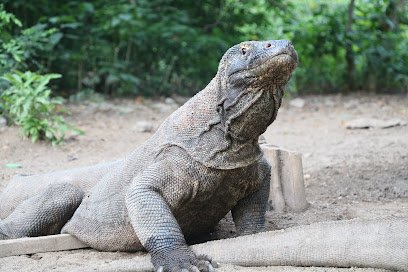
While Flores Island is internationally renowned as the gateway to Komodo National Park and its legendary dragons, the island harbors an equally compelling yet often overlooked treasure: a remarkable diversity of endemic bird species and unique wildlife that positions it as one of Indonesia’s premier destinations for nature enthusiasts and bird watchers. Situated along the biogeographically significant Wallace Line, Flores offers wildlife tourism experiences that extend far beyond its famous reptilian residents, presenting opportunities to observe species found nowhere else on Earth.
For travelers seeking authentic nature encounters and wildlife photographers pursuing rare subjects, Flores represents an emerging frontier in sustainable ecotourism. The island’s varied ecosystems—from montane forests to coastal wetlands—support specialized avian communities that reflect millions of years of isolated evolution, making every birding expedition a potential discovery of endemic treasures.
Endemic Bird Species
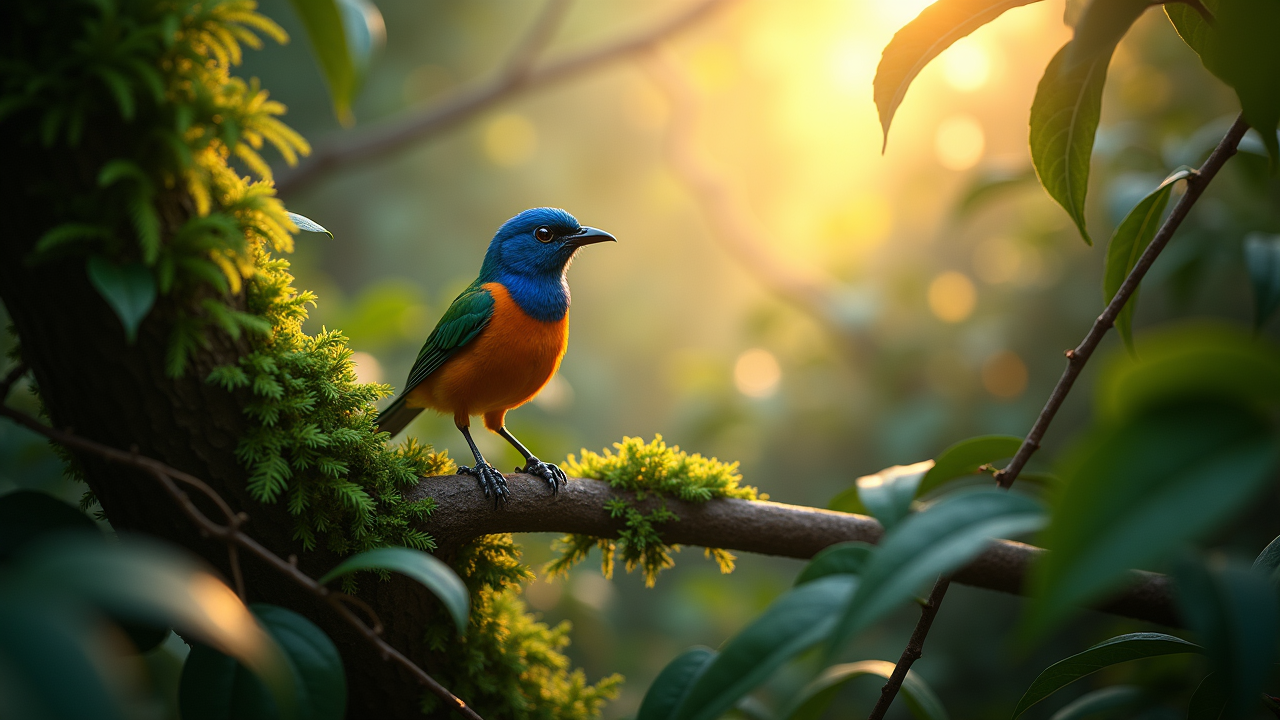
Flores hosts an impressive array of endemic bird species that have evolved in isolation on this island ecosystem. The Flores crow, one of the island’s most distinctive residents, represents a unique evolutionary lineage found only in Flores’ forests. Bird watchers visiting the island can expect encounters with the Flores minivet, a striking passerine with vibrant plumage that frequents mid-elevation forests, and the Flores monarch, a flycatcher species that has adapted specifically to the island’s ecological niches.
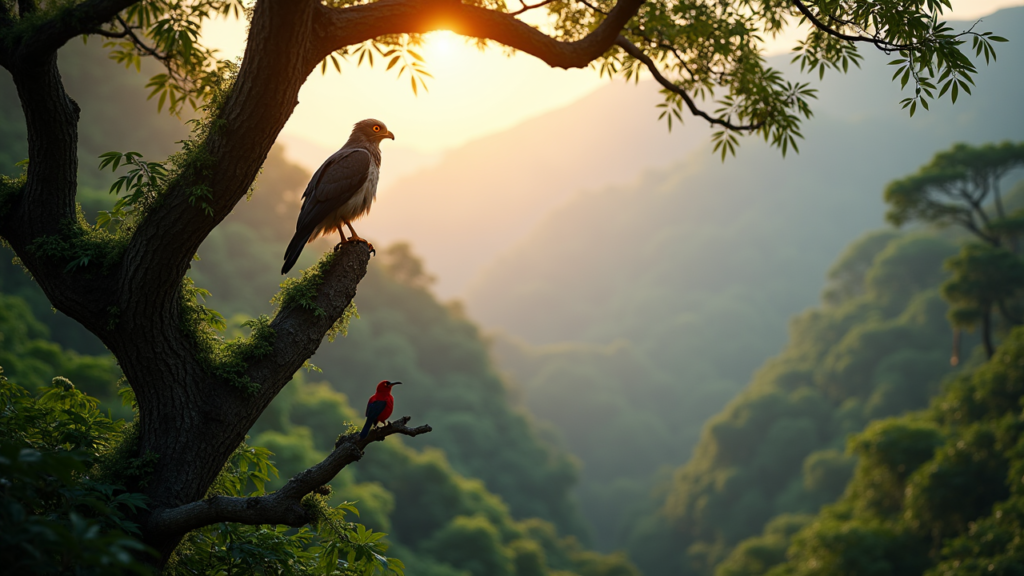
The island’s montane regions harbor the Flores scops owl and the Flores hawk-eagle, both critically important species for conservation efforts. The latter, a powerful raptor, serves as an apex predator in Flores’ forest ecosystems and remains a prized sighting for serious birders. Additionally, the Wallace’s hanging parrot and the Flores green pigeon represent the island’s unique avian diversity, with populations that have diverged significantly from their mainland relatives.
For nature enthusiasts, the presence of these endemic species creates compelling reasons to explore Flores’ interior regions. Each species tells a story of adaptation and survival in an island environment, offering insights into evolutionary processes that continue to fascinate ornithologists and casual observers alike. The concentration of endemic birds makes Flores particularly valuable for life-list birders seeking to document rare species in their natural habitats.
Wallace Line Significance
Flores’ position along the Wallace Line—the biogeographical boundary separating Asian and Australian fauna—gives the island exceptional scientific and ecological importance. This invisible line, identified by naturalist Alfred Russel Wallace in the 19th century, marks a dramatic transition zone where species from two continental origins meet, overlap, and sometimes hybridize.
The Wallace Line’s influence on Flores’ wildlife is profound. Bird species on the island exhibit characteristics of both Asian and Australasian origins, creating a unique assemblage found in few other locations globally. This biogeographical positioning means that bird watchers can observe species with evolutionary connections to Southeast Asian forests alongside those with affinities to Australian and New Guinean fauna—all within a single island ecosystem.
Understanding this significance enhances the wildlife watching experience on Flores. The island functions as a living laboratory where evolutionary processes remain visible in the distribution and characteristics of bird populations. For travelers interested in natural history, this context transforms ordinary bird sightings into observations of broader ecological and evolutionary patterns that have shaped life across the Indonesian archipelago over millions of years.
Best Birding Locations
Flores offers several premier locations for bird watching, each providing access to different habitat types and species assemblages. The montane forests surrounding Ruteng, in the island’s western highlands, represent prime territory for endemic forest species. These higher-elevation areas support populations of the Flores monarch, Flores minivet, and various sunbird species that thrive in cooler, moist forest conditions.
Kelimutu National Park, famous for its tri-colored crater lakes, provides excellent birding opportunities within protected forest habitats. The park’s trail systems allow access to mid-elevation forests where endemic species concentrate, and early morning visits typically yield the highest species counts as birds become active at dawn. The combination of dramatic volcanic landscapes and rich avian diversity makes Kelimutu a must-visit destination for nature photographers and bird watchers alike.
The coastal and lowland areas near Maumere offer different birding experiences, with wetland species and coastal forest birds complementing the highland endemics. Mangrove areas and estuarine environments attract migratory shorebirds seasonally, adding international species to the endemic residents. For comprehensive birding itineraries, combining highland and coastal locations maximizes species diversity and provides varied photographic opportunities.
Local villages near forest edges often serve as excellent bases for birding expeditions, with community members increasingly engaged in guiding services that support both tourism and conservation objectives. These locations provide authentic cultural experiences alongside wildlife observation, enriching the overall travel experience.
Featured Eco-Tours & Bird Watching

Wildlife Photography
Flores presents exceptional opportunities for wildlife photography, particularly for photographers specializing in avian subjects. The island’s endemic species, many of which remain poorly documented in photographic literature, offer chances to capture images of scientific and artistic value. The varied lighting conditions—from misty highland forests to bright coastal environments—challenge photographers to adapt techniques while providing diverse aesthetic possibilities.
Successful wildlife photography on Flores requires appropriate equipment and preparation. Telephoto lenses in the 400-600mm range prove most effective for bird photography, allowing sufficient working distance to avoid disturbing subjects while capturing frame-filling images. The island’s often dense forest habitats demand lenses with wide maximum apertures to maintain adequate shutter speeds in low-light conditions, and image stabilization becomes essential when working handheld on forest trails.
Timing significantly impacts photographic success. Early morning hours, typically from dawn until mid-morning, provide the most active bird behavior and favorable lighting conditions. Many endemic species become less active during midday heat, making afternoon sessions generally less productive. Photographers should plan multi-day visits to specific locations, as weather variability and animal behavior patterns mean that successful encounters often require patience and repeated attempts.
Ethical considerations remain paramount in wildlife photography. Maintaining appropriate distances, avoiding playback of bird calls to attract subjects, and respecting nesting sites ensure that photography activities do not negatively impact the species that make Flores special. Responsible photographers contribute to conservation by documenting species while modeling sustainable practices for the growing nature tourism sector.
Conservation Efforts
Conservation initiatives on Flores increasingly recognize that protecting endemic bird species requires integrated approaches addressing habitat preservation, community engagement, and sustainable tourism development. The island faces ongoing pressures from agricultural expansion, logging, and human population growth, all of which fragment and reduce the forest habitats essential for endemic species survival.
Local and international conservation organizations work with communities to establish protected areas and promote sustainable land-use practices that balance human needs with wildlife conservation. These efforts include reforestation projects, establishment of community-managed conservation zones, and educational programs that build local appreciation for endemic species as valuable natural heritage worth protecting.
The economic potential of bird watching tourism provides compelling incentives for conservation. As nature enthusiasts increasingly visit Flores specifically to observe endemic birds, local communities recognize that intact forests generate sustainable income through guiding services, accommodation, and related tourism activities. This economic dimension strengthens conservation arguments and creates stakeholder groups invested in protecting the habitats that support endemic species.
Travelers contribute to conservation simply by choosing Flores as a bird watching destination and utilizing local guides and services. Tourism revenue that flows to communities creates tangible benefits from conservation, demonstrating that protecting endemic species serves local economic interests. Visitors can enhance their conservation impact by supporting community-based tourism initiatives and conservation organizations active on the island.
Guided Tours
Engaging experienced local guides dramatically enhances bird watching success on Flores. Local guides possess intimate knowledge of species locations, behaviors, and vocalizations that prove invaluable for locating endemic birds in dense forest habitats. Their expertise transforms potentially frustrating searches into productive encounters, maximizing the limited time most travelers have available on the island.
Guided tours typically range from single-day excursions to multi-day expeditions that cover multiple habitat types and locations. Comprehensive birding tours often combine visits to highland forests, lowland areas, and coastal environments to maximize species diversity. Guides arrange logistics including transportation, permits for protected areas, and optimal timing for specific locations, allowing visitors to focus on observation and photography rather than planning details.
The growing professionalization of bird watching guides on Flores reflects the maturing nature tourism sector. Many guides have received training in bird identification, ecology, and sustainable guiding practices, elevating the quality of experiences available to visitors. Some guides specialize in photography tours, understanding the specific needs of photographers regarding positioning, lighting, and timing for optimal image capture.
Booking guided tours through reputable operators or community-based tourism organizations ensures that tourism revenue supports local economies and conservation efforts. Many guides actively participate in citizen science initiatives, contributing sighting data to ornithological databases that inform conservation planning. For travelers, this means their bird watching activities contribute to broader scientific understanding of Flores’ endemic species while supporting the local communities that serve as stewards of these remarkable birds.
As Flores’ reputation as a premier bird watching destination continues to grow, the island offers nature enthusiasts an opportunity to explore one of Indonesia’s most biodiverse yet undervisited regions. Beyond the Komodo dragon, Flores reveals an avian world of endemic treasures, evolutionary significance, and conservation importance that rewards those who venture into its forests and highlands with unforgettable wildlife encounters.
Frequently Asked Questions About Bird Watching and Wildlife in Flores
1. What endemic bird species can I expect to see in Flores?
Flores hosts numerous endemic species including the Flores crow, Flores minivet, Flores monarch, Flores scops owl, and Flores hawk-eagle. You can also observe Wallace’s hanging parrot and the Flores green pigeon. These species have evolved in isolation and are found nowhere else on Earth, making Flores a must-visit destination for serious birders and life-list enthusiasts.
2. Why is Flores’ location along the Wallace Line significant for wildlife watching?
The Wallace Line marks the biogeographical boundary between Asian and Australian fauna. Flores’ position along this line means bird watchers can observe species with evolutionary connections to both Southeast Asian forests and Australian/New Guinean fauna within a single island ecosystem. This creates a unique assemblage of species found in few other locations globally, making every sighting scientifically and ecologically significant.
3. What are the best locations in Flores for bird watching?
The montane forests around Ruteng offer prime territory for endemic forest species, while Kelimutu National Park provides excellent birding within protected habitats with early morning visits yielding the highest species counts. Coastal and lowland areas near Maumere attract wetland species and migratory shorebirds. Combining highland and coastal locations maximizes species diversity and photographic opportunities.
4. What equipment and timing are essential for successful wildlife photography in Flores?
Telephoto lenses in the 400-600mm range with wide maximum apertures and image stabilization are most effective for bird photography in Flores’ dense forest habitats. Early morning hours from dawn until mid-morning provide the most active bird behavior and favorable lighting. Multi-day visits to specific locations are recommended, as weather variability and animal behavior patterns require patience for successful encounters.
5. How does bird watching tourism contribute to conservation efforts in Flores?
Bird watching tourism creates economic incentives for conservation by generating sustainable income for local communities through guiding services, accommodation, and related activities. This demonstrates that protecting endemic species and intact forests serves local economic interests. Visitors contribute to conservation by choosing Flores as a destination, utilizing local guides, and supporting community-based tourism initiatives that fund habitat preservation and educational programs.

Author: Flores Insider
Welcome to Discover Flores — your trusted guide to exploring Indonesia’s untamed island paradise. From Komodo National Park and Kelimutu’s tri-colored lakes to hidden beaches, dive spots, and Labuan Bajo real estate opportunities, Discover Flores brings you the best of travel, lifestyle, and investment across the island. Plan your next adventure, find the top tours and accommodations, and uncover why Flores is Indonesia’s rising gem for eco-tourism, digital nomads, and sustainable travel.