
Flores, Indonesia’s hidden gem in the East Nusa Tenggara province, offers travelers a unique blend of volcanic landscapes, traditional villages, and pristine marine environments. Understanding the seasonal variations of this diverse island is essential for planning an optimal visit that aligns with your interests, budget, and tolerance for weather conditions. This comprehensive guide helps travelers navigate Flores’ distinct seasons to maximize their experience while minimizing potential disruptions.
The timing of your Flores visit significantly impacts everything from wildlife encounters and festival participation to accommodation costs and crowd levels. Smart travelers who align their trips with favorable conditions often report more rewarding experiences, better photography opportunities, and greater value for their investment.
Weather Patterns
Flores experiences a tropical climate characterized by two primary seasons that dictate travel conditions across the island. The island’s mountainous terrain creates microclimates, meaning weather can vary significantly between coastal areas and highland regions like the Kelimutu volcanic area.
Temperatures remain relatively consistent throughout the year, typically ranging from 20°C to 30°C (68°F to 86°F) in coastal areas. Highland regions, particularly around Mount Kelimutu and the interior villages, experience cooler temperatures, especially during early mornings and evenings when temperatures can drop to 15°C (59°F).
Humidity levels fluctuate considerably between seasons, with the wet season bringing higher humidity that can make temperatures feel warmer than they actually are. Coastal areas generally experience higher humidity year-round compared to inland regions.
The island’s position in the Indonesian archipelago means it’s influenced by monsoon patterns that determine rainfall distribution. These patterns create distinct wet and dry periods that fundamentally shape the travel experience.
Dry vs Wet Season
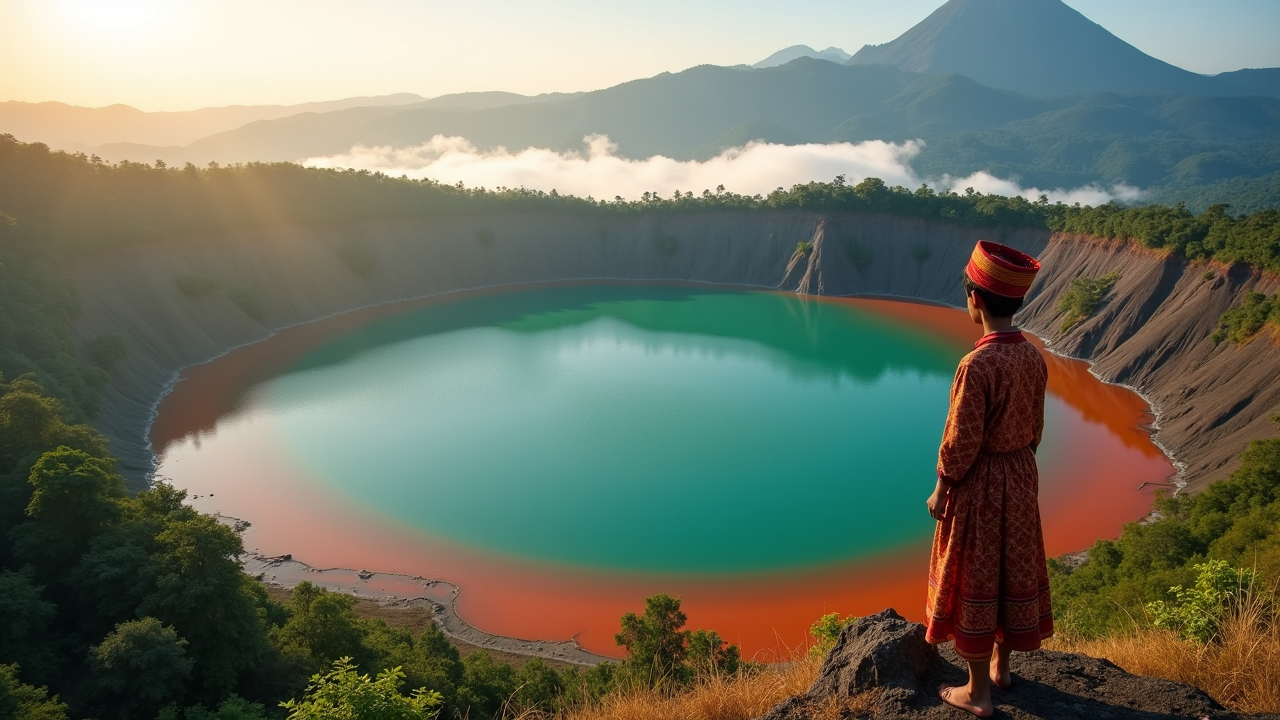
The dry season in Flores typically extends from April through November, with peak dry conditions occurring between May and September. During these months, travelers can expect minimal rainfall, clear skies, and optimal conditions for outdoor activities. This period is ideal for trekking to traditional villages, visiting the tri-colored lakes of Kelimutu, and exploring the island’s numerous beaches and diving sites.
July and August represent the driest months, offering the most reliable weather for photography, hiking, and marine activities. Roads remain accessible, and boat transfers to nearby islands like Komodo proceed with minimal weather-related cancellations.
The wet season spans from December through March, with January and February typically receiving the heaviest rainfall. During this period, afternoon thunderstorms are common, though mornings often remain clear. The wet season brings lush green landscapes and fewer tourists, but also presents challenges including muddy roads, potential landslides in mountainous areas, and reduced visibility for diving.
Shoulder months of April and November offer transitional conditions with occasional rain but generally favorable weather. These periods can provide excellent value as they combine decent weather with lower tourist numbers and reduced accommodation prices.
Festival Calendar
Flores’ rich cultural calendar features numerous traditional ceremonies and festivals that provide deep insights into local customs. The timing of many events follows the lunar calendar or agricultural cycles, making exact dates variable from year to year.
The Reba Festival, celebrated by the Ngada people in the Bajawa region, typically occurs in late December or early January. This harvest thanksgiving ceremony features traditional dances, ritual offerings, and community gatherings that welcome respectful visitors.
Easter celebrations hold particular significance in predominantly Catholic Flores, with elaborate processions and ceremonies occurring in towns like Larantuka. These events, falling in March or April, attract both pilgrims and cultural observers.
The Penti Festival in Wae Rebo village marks the end of the harvest season and typically takes place in November or December. This multi-day celebration includes traditional rituals, communal feasting, and ceremonial dances performed in the village’s iconic cone-shaped houses.
Local village ceremonies occur throughout the year, often announced with short notice. Travelers interested in cultural immersion should maintain flexibility in their itineraries and work with knowledgeable local guides who can identify upcoming events.
Featured Accommodation

Wildlife Viewing Seasons
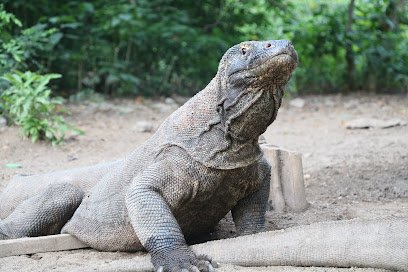
Flores serves as a gateway to Komodo National Park, where dragon viewing remains excellent year-round, though conditions vary seasonally. The dry season from April to November offers the most comfortable trekking conditions on Komodo and Rinca islands, with clearer trails and better visibility.
Marine life viewing, particularly manta rays at Manta Point and diverse coral reef ecosystems, peaks during the dry season when water visibility improves significantly. Plankton blooms during transitional months can attract large numbers of manta rays, making April-May and October-November particularly rewarding for snorkelers and divers.
Whale shark sightings in waters around Flores occur most frequently between November and April, coinciding with plankton-rich conditions. However, this period also brings rougher seas that can limit boat access to prime viewing areas.
Bird watching enthusiasts find optimal conditions during the dry season when trails remain accessible and bird activity increases. Endemic species like the Flores crow and Flores monarch are more easily spotted during early morning hours throughout the year.
Tourism Crowds
Peak tourist season in Flores aligns with the dry season, particularly July and August when European and Australian school holidays drive increased visitation. During these months, popular sites like Kelimutu crater and Komodo National Park experience their highest visitor numbers, and accommodation in key towns like Labuan Bajo requires advance booking.
The Christmas and New Year period represents another peak, attracting both international tourists and domestic Indonesian travelers. Prices increase significantly, and popular hotels often reach full capacity weeks in advance.
Shoulder seasons in April-May and September-October offer the best balance of favorable weather and manageable crowd levels. Travelers during these periods enjoy easier access to attractions, more personalized service from tour operators, and greater flexibility in accommodation choices.
The wet season from January through March sees the lowest tourist numbers, creating opportunities for solitude at major sites and authentic interactions with local communities. However, some remote areas may become difficult to access, and certain tour operators reduce services during this period.
Budget Considerations
Accommodation prices in Flores fluctuate significantly based on season and location. Peak season rates in July-August and December-January can be 30-50% higher than low season prices, particularly in Labuan Bajo where tourism infrastructure is most developed.
Flight costs to Flores also vary seasonally, with the most expensive tickets typically occurring during Indonesian holiday periods and international peak seasons. Booking flights 2-3 months in advance generally secures better rates, regardless of season.
Tour operator prices for Komodo National Park trips and other excursions may include seasonal surcharges during peak periods. However, competition among operators in Labuan Bajo means that shoulder and low seasons often bring negotiable rates and package deals.
Budget-conscious travelers can achieve significant savings by visiting during the wet season, accepting the trade-off of occasional rain for substantially lower costs across accommodation, tours, and sometimes flights. Many travelers find that morning activities remain largely unaffected by afternoon wet season rains.
Local transportation costs remain relatively stable year-round, though road conditions during the wet season may increase travel times and occasionally require route modifications that could affect overall trip budgets.
The optimal time to visit Flores ultimately depends on individual priorities. Travelers seeking guaranteed sunshine and full access to all activities should target May through September, accepting higher costs and crowds. Those prioritizing budget and cultural authenticity may find the wet season rewarding despite weather uncertainties. Shoulder seasons offer compelling middle-ground options for balanced experiences.
Common Questions About Visiting Flores at Different Times of Year
1. What is the best time to visit Flores for optimal weather conditions?
The dry season from May through September offers the most reliable weather, with minimal rainfall, clear skies, and comfortable temperatures. July and August are the driest months, providing ideal conditions for trekking, photography, and marine activities, though these months also see the highest tourist numbers and accommodation prices.
2. How do the wet and dry seasons differ in Flores?
The dry season (April-November) brings minimal rainfall and optimal conditions for outdoor activities, while the wet season (December-March) features afternoon thunderstorms, lush green landscapes, and fewer tourists. The wet season presents challenges like muddy roads and potential landslides but offers lower prices and authentic cultural experiences with reduced crowds.
3. When can I experience traditional festivals and cultural events in Flores?
Major festivals include the Reba Festival in Bajawa (late December/early January), Easter celebrations in Larantuka (March/April), and the Penti Festival in Wae Rebo (November/December). Many ceremonies follow lunar or agricultural calendars, so travelers should maintain flexible itineraries and work with local guides to identify upcoming events.
4. What are the best months for wildlife viewing and diving around Flores?
The dry season from April to November provides optimal conditions for Komodo dragon trekking and marine life viewing with improved water visibility. Manta rays are particularly abundant during transitional months (April-May and October-November), while whale shark sightings peak between November and April, though rougher seas during this period can limit access.
5. How can I save money when visiting Flores?
Visit during the wet season (January-March) for 30-50% lower accommodation prices and reduced tour costs, or choose shoulder months (April-May and September-October) for a balance of decent weather and lower prices. Booking flights 2-3 months in advance and traveling outside peak periods (July-August and December-January) yields significant savings across all travel expenses.

Author: Flores Insider
Welcome to Discover Flores — your trusted guide to exploring Indonesia’s untamed island paradise. From Komodo National Park and Kelimutu’s tri-colored lakes to hidden beaches, dive spots, and Labuan Bajo real estate opportunities, Discover Flores brings you the best of travel, lifestyle, and investment across the island. Plan your next adventure, find the top tours and accommodations, and uncover why Flores is Indonesia’s rising gem for eco-tourism, digital nomads, and sustainable travel.






One response to “Best Time to Visit Flores: Seasonal Guide for Smart Travelers”
[…] patterns significantly influence the adventure sports market in Flores. The dry season from April to December offers optimal conditions for most outdoor activities, while the wet season from January to March […]