Flores, an island in Indonesia‘s East Nusa Tenggara province, presents compelling agricultural investment opportunities for investors seeking exposure to high-value plantation crops. The island’s volcanic soil, favorable climate, and growing infrastructure make it an attractive destination for agricultural land investment, particularly in coffee, vanilla, and cacao production. This comprehensive analysis examines the investment landscape for plantation and farming opportunities in Flores.
Agricultural Investment Overview
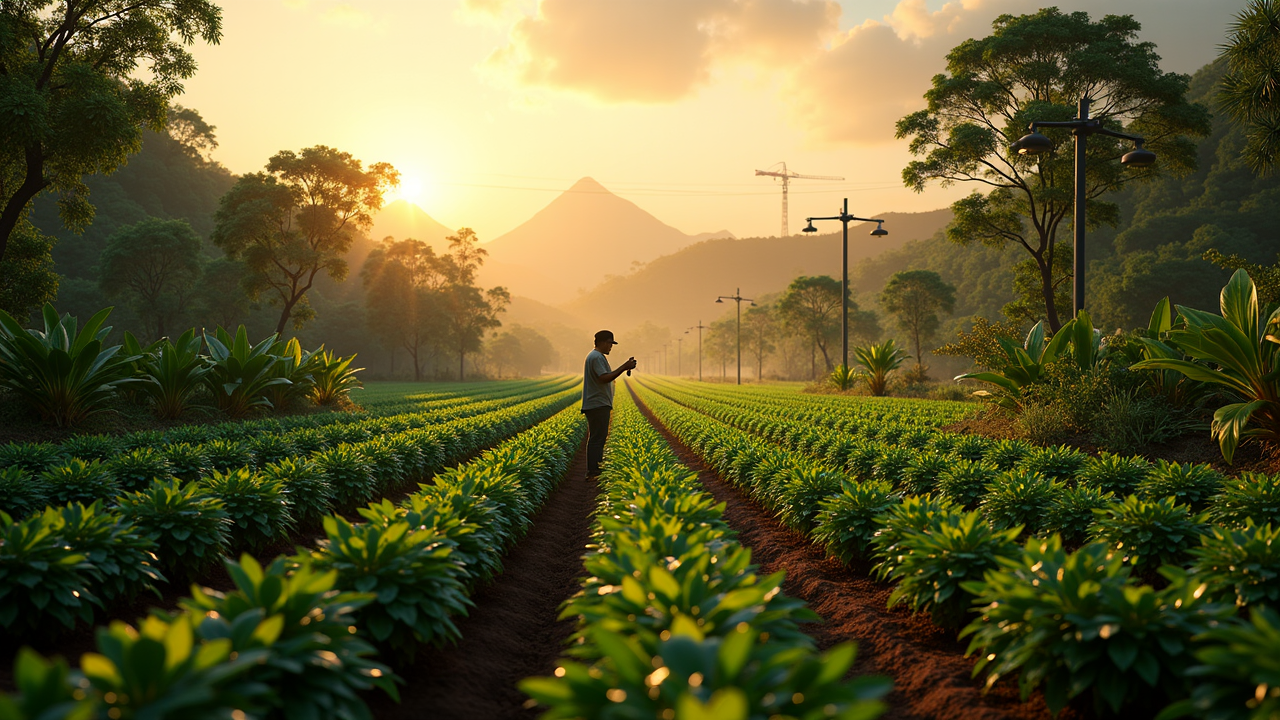
Flores offers a unique combination of factors that make agricultural investment particularly attractive. The island’s volcanic terrain provides nutrient-rich soil ideal for specialty crops, while its tropical climate with distinct wet and dry seasons supports diverse agricultural production. Unlike more developed Indonesian islands, Flores maintains relatively affordable land prices while offering access to international markets through improving port facilities and transportation networks.
Agricultural investment in Flores targets investors interested in plantation and farming opportunities that can generate both income and long-term capital appreciation. The island’s agricultural sector benefits from government support for rural development, increasing domestic and international demand for specialty crops, and a growing recognition of Indonesian agricultural products in global markets. Investment structures typically involve direct land ownership, partnership arrangements with local farmers, or participation in agricultural cooperatives.
The investment landscape encompasses both established plantations and greenfield development opportunities. Investors can acquire existing productive land with mature crops or develop raw agricultural land, each approach offering distinct risk-return profiles. The local workforce possesses traditional farming knowledge while remaining receptive to modern agricultural techniques, creating opportunities for productivity improvements through technology adoption and best practice implementation.
Coffee Plantation Opportunities
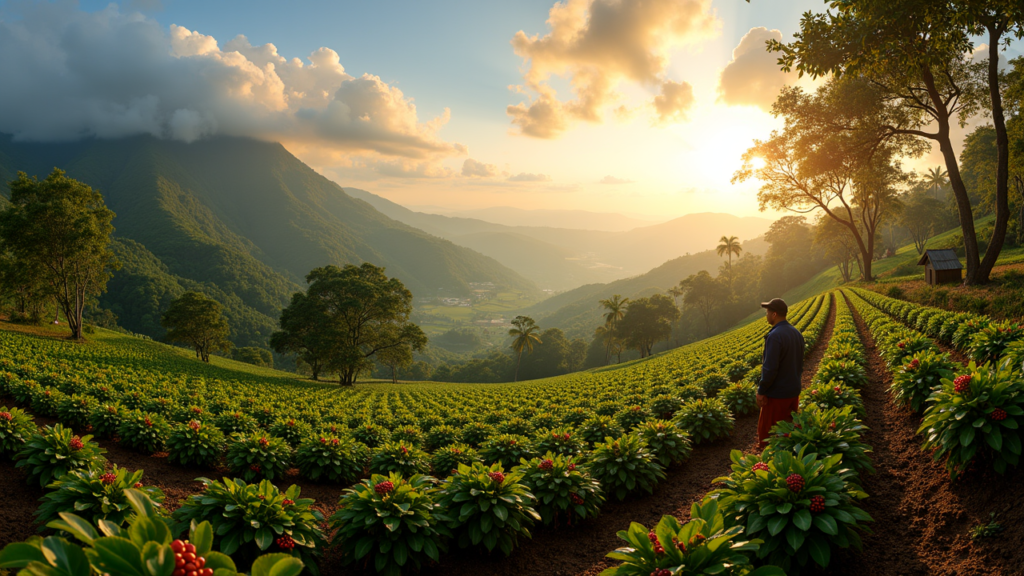
Coffee represents one of the most promising agricultural investments in Flores, with the island producing distinctive Arabica varieties that command premium prices in specialty coffee markets. The Bajawa region in Ngada Regency has established a reputation for high-quality coffee, with beans grown at elevations between 1,200 and 1,800 meters above sea level. These high-altitude conditions produce coffee with complex flavor profiles that appeal to specialty roasters and discerning consumers worldwide.
Coffee plantation investment in Flores typically involves acquiring land suitable for Arabica cultivation, establishing or expanding coffee trees, and developing processing infrastructure. Initial plantings require approximately three to four years before reaching commercial production, with trees achieving peak productivity between years five and fifteen. Investment returns depend on factors including land acquisition costs, development expenses, yield per hectare, coffee quality grades, and prevailing market prices for specialty versus commodity-grade beans.
The investment case for Flores coffee strengthens as global demand for specialty and single-origin coffees continues growing. Indonesian coffee, particularly from lesser-known regions like Flores, attracts premium pricing when properly processed and marketed. Investors can enhance returns through direct relationships with specialty roasters, participation in certification programs such as organic or fair trade, and investment in wet-processing facilities that improve bean quality. The relatively fragmented nature of Flores coffee production creates consolidation opportunities for investors willing to aggregate production from multiple smallholders.
Vanilla Farming
Vanilla cultivation represents a high-value agricultural investment opportunity in Flores, though it requires more intensive management than coffee or cacao. Indonesia ranks as one of the world’s leading vanilla producers, and Flores possesses suitable conditions for vanilla orchid cultivation, particularly in areas with partial shade, consistent moisture, and temperatures between 21 and 32 degrees Celsius. Vanilla commands exceptional prices in international markets, with quality cured beans often exceeding $500 per kilogram during periods of supply constraint.
Vanilla farming investment involves establishing shade structures, planting vanilla orchids, implementing hand-pollination protocols, and developing curing facilities. Vanilla orchids typically begin flowering in their third year, with commercial production commencing around year four. The labor-intensive nature of vanilla cultivation—requiring hand pollination of each flower and careful curing of harvested beans—creates both challenges and opportunities. Higher labor requirements increase operational costs but also create employment opportunities and establish barriers to entry that protect returns for established producers.
The vanilla market experiences significant price volatility driven by weather events in major producing regions, changing demand from food and fragrance industries, and the multi-year production cycle that creates supply lags. Investors must approach vanilla farming with realistic expectations about price cycles, quality requirements, and the specialized knowledge needed for successful production. However, for investors willing to develop expertise and maintain quality standards, vanilla offers exceptional return potential compared to other agricultural commodities. Diversification across multiple crops can help mitigate vanilla’s inherent price volatility.
Featured Land & Development
Cacao Production
Cacao production in Flores provides investors with exposure to the global chocolate industry while offering more stable returns than vanilla and shorter maturation periods than coffee. Indonesia ranks among the world’s top cacao producers, and Flores contributes to this production with favorable growing conditions in coastal and mid-elevation areas. Cacao trees thrive in Flores’ tropical climate and can be intercropped with other species, allowing for diversified plantation development.
Cacao investment typically involves acquiring suitable land, establishing cacao seedlings, implementing shade management systems, and developing fermentation and drying infrastructure. Cacao trees begin producing pods in their third year, with commercial production ramping up through year five and continuing for twenty to thirty years with proper maintenance. Investment returns depend on yield per hectare, bean quality and fermentation protocols, prevailing cacao prices, and access to premium markets for fine-flavor cacao.
The investment case for Flores cacao centers on quality differentiation rather than commodity production. Fine-flavor cacao commands significant premiums over bulk cacao, and Indonesian cacao can achieve fine-flavor classification through proper variety selection, fermentation protocols, and post-harvest handling. Investors can enhance returns by targeting craft chocolate makers and premium confectionery manufacturers who value distinctive flavor profiles and transparent supply chains. The growing global demand for ethically sourced, high-quality cacao creates opportunities for Flores producers who can meet quality and traceability standards.
Land Acquisition Process
Acquiring agricultural land in Flores requires careful navigation of Indonesian property law, local customs, and practical considerations. Foreign investors face restrictions on direct land ownership in Indonesia, typically requiring partnership structures with Indonesian citizens or entities, long-term lease arrangements, or investment through Indonesian-registered companies with appropriate foreign ownership limits. Legal counsel experienced in Indonesian agricultural investment is essential for structuring compliant and secure ownership arrangements.
The land acquisition process typically begins with identifying suitable properties through local agents, agricultural cooperatives, or direct engagement with landowners. Due diligence should verify clear title, assess soil quality and topography, evaluate water availability, confirm zoning and land use permissions, and identify any customary land rights or community claims. Many agricultural parcels in Flores operate under customary tenure systems that may not align with formal title documentation, requiring careful negotiation and community engagement.
Investors should budget adequate time for the acquisition process, as land transactions in Flores often proceed more slowly than in urban Indonesian centers. Building relationships with local communities, district agricultural offices, and traditional leaders facilitates smoother transactions and ongoing operations. Professional surveys, soil testing, and water resource assessments provide essential information for investment decisions and operational planning. Engaging experienced local partners who understand both formal legal requirements and customary practices significantly improves acquisition success rates and reduces future operational friction.
Market Potential
The market potential for Flores agricultural products reflects both growing domestic Indonesian demand and expanding international markets for specialty crops. Indonesia’s rising middle class increases domestic consumption of premium coffee, chocolate, and vanilla-flavored products, while international markets increasingly value single-origin, traceable agricultural products. Flores’ relative obscurity compared to more established Indonesian agricultural regions creates opportunities for branding and market positioning.
Coffee from Flores can access specialty coffee markets in Asia, Europe, North America, and Australia, with proper quality control and marketing. The specialty coffee segment continues expanding globally, with consumers willing to pay significant premiums for distinctive, ethically sourced beans. Vanilla markets remain constrained by limited global production, ensuring continued demand for quality Indonesian vanilla. Cacao markets offer opportunities in both conventional and fine-flavor segments, with the latter providing superior returns for quality-focused producers.
Infrastructure development in Flores, including port improvements and road construction, gradually reduces logistics costs and improves market access. The Indonesian government’s focus on developing eastern provinces creates a supportive policy environment for agricultural investment. However, investors should maintain realistic expectations about infrastructure timelines and build logistics costs into financial projections. Successful market access often requires developing direct relationships with buyers, participating in trade shows and cupping events, and investing in quality certifications that facilitate market entry.
Long-term market potential depends on continued global demand for specialty agricultural products, Indonesia’s political and economic stability, climate conditions, and the ability of Flores producers to maintain quality standards. Investors should monitor global commodity price trends, climate change impacts on agricultural production, Indonesian regulatory developments, and competitive dynamics in key export markets. While agricultural investment inherently involves risks including weather, pests, price volatility, and political factors, Flores’ combination of suitable growing conditions, affordable land, and market access creates a compelling opportunity for investors with appropriate risk tolerance and investment horizons.
Key Questions About Agricultural Investment in Flores
1. What are the main agricultural investment opportunities available in Flores?
Flores offers compelling investment opportunities in three primary high-value crops: coffee (particularly Arabica varieties in highland regions like Bajawa), vanilla (which commands prices exceeding $500 per kilogram), and cacao (for both commodity and fine-flavor markets). The island’s volcanic soil, tropical climate, and relatively affordable land prices make it attractive for plantation development, with options ranging from acquiring established productive land to greenfield development projects.
2. How long does it take for agricultural investments in Flores to become profitable?
Profitability timelines vary by crop: coffee plantations require three to four years before commercial production begins, with peak productivity between years five and fifteen; vanilla orchids start flowering in their third year with commercial production around year four; and cacao trees begin producing in year three, ramping up to full commercial production by year five and continuing for twenty to thirty years with proper maintenance.
3. Can foreign investors directly own agricultural land in Flores?
Foreign investors face restrictions on direct land ownership in Indonesia and typically must structure investments through partnership arrangements with Indonesian citizens or entities, long-term lease agreements, or investment through Indonesian-registered companies with appropriate foreign ownership limits. Experienced legal counsel specializing in Indonesian agricultural investment is essential for creating compliant and secure ownership structures.
4. What makes Flores coffee competitive in international specialty markets?
Flores produces distinctive Arabica coffee at elevations between 1,200 and 1,800 meters, creating complex flavor profiles that appeal to specialty roasters worldwide. The Bajawa region has established a strong reputation for quality, and Flores coffee benefits from growing global demand for single-origin beans. Investors can enhance returns through direct relationships with specialty roasters, organic or fair trade certifications, and investment in wet-processing facilities that improve bean quality.
5. What are the main risks and challenges of agricultural investment in Flores?
Key challenges include navigating Indonesian property law and customary land tenure systems, managing price volatility (particularly for vanilla), dealing with infrastructure limitations that affect logistics costs, and addressing the labor-intensive nature of crops like vanilla. Investors must also consider weather risks, pest management, quality control requirements, and the need to build relationships with local communities and agricultural cooperatives for successful long-term operations.

Author: Flores Insider
Welcome to Discover Flores — your trusted guide to exploring Indonesia’s untamed island paradise. From Komodo National Park and Kelimutu’s tri-colored lakes to hidden beaches, dive spots, and Labuan Bajo real estate opportunities, Discover Flores brings you the best of travel, lifestyle, and investment across the island. Plan your next adventure, find the top tours and accommodations, and uncover why Flores is Indonesia’s rising gem for eco-tourism, digital nomads, and sustainable travel.