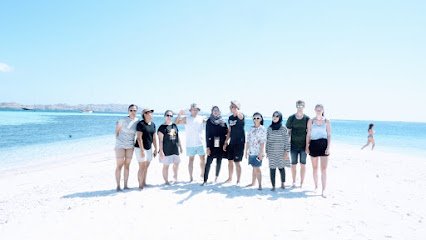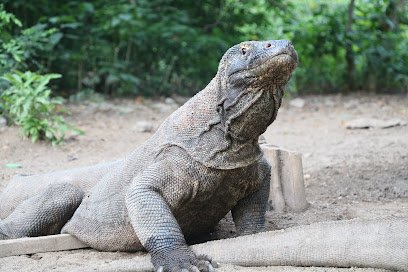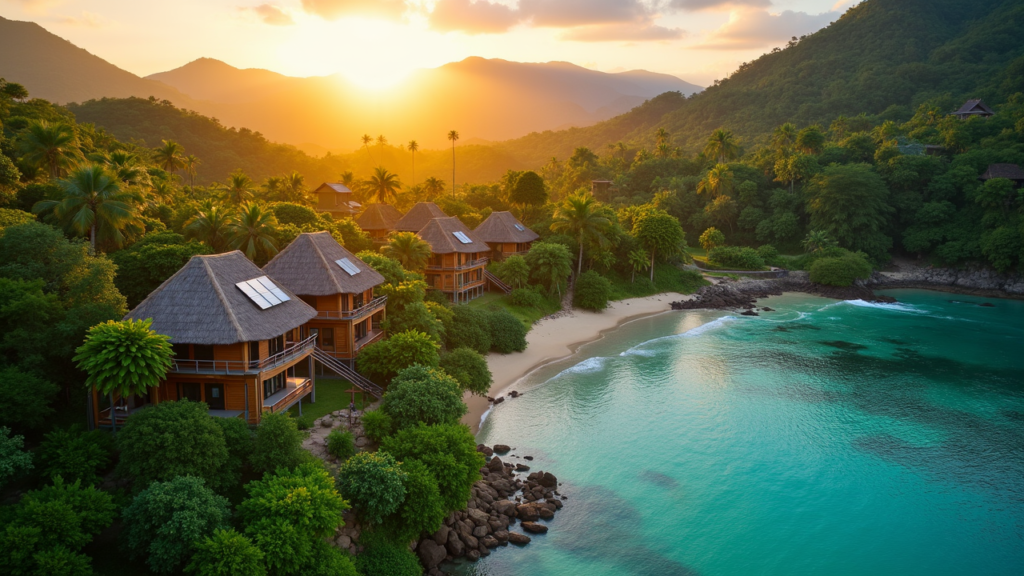
Flores, Indonesia’s hidden gem in the Lesser Sunda Islands, stands at a critical juncture in its tourism development trajectory. As global travelers increasingly prioritize environmental responsibility and authentic cultural experiences, the island presents exceptional opportunities for sustainable tourism investments that balance economic growth with ecological preservation and community empowerment. This forward-looking analysis explores how eco-development initiatives can shape Flores’ tourism future while protecting its extraordinary natural and cultural heritage.
Sustainable Tourism Principles
Sustainable tourism development in Flores must be grounded in principles that ensure long-term viability for both the environment and local communities. The core framework emphasizes minimizing environmental impact while maximizing socio-economic benefits for residents. This approach recognizes that Flores’ primary tourism assets—pristine marine ecosystems, endemic wildlife including Komodo dragons, traditional villages, and volcanic landscapes—require careful stewardship to maintain their appeal and ecological integrity.
The sustainable tourism model for Flores prioritizes carrying capacity management, ensuring visitor numbers remain within limits that natural and cultural sites can accommodate without degradation. This principle extends to infrastructure development, where growth must align with the island’s ability to manage waste, water resources, and energy demands. Stakeholder engagement forms another critical pillar, requiring meaningful consultation with local communities, traditional leaders, and environmental experts in all development decisions.
For investors and operators, these principles translate into business models that generate revenue while actively contributing to conservation efforts and community welfare. This might include revenue-sharing arrangements with villages, employment of local guides and staff, sourcing from local suppliers, and direct funding of environmental protection initiatives. The sustainable approach recognizes that Flores’ tourism competitiveness depends on maintaining the authentic experiences and pristine environments that differentiate it from mass-market destinations.
Eco-Resort Opportunities
The eco-resort sector represents one of the most promising investment opportunities in Flores’ sustainable tourism landscape. Current accommodation infrastructure remains limited outside major towns, creating significant potential for thoughtfully designed eco-lodges that cater to environmentally conscious travelers willing to pay premium rates for sustainable experiences. These facilities can command higher margins while operating with smaller environmental footprints than conventional resorts.
Strategic locations for eco-resort development include coastal areas near diving and snorkeling sites, highland regions offering trekking access and cultural immersion, and gateway communities near Komodo National Park. Successful eco-resorts in Flores will likely feature low-density designs that blend with natural landscapes, utilize renewable energy systems, implement comprehensive waste management and water conservation measures, and create meaningful employment for local residents.
The investment framework for eco-resorts typically requires higher initial capital expenditure due to sustainable building materials, renewable energy infrastructure, and water treatment systems. However, these investments yield long-term operational savings through reduced utility costs and position properties to capture the growing market segment of sustainability-focused travelers. Marketing advantages include eligibility for eco-certification programs, appeal to tour operators specializing in responsible travel, and alignment with corporate social responsibility initiatives of international travel companies.
Projected timelines for eco-resort development in Flores suggest a 2-3 year planning and construction phase, followed by a 3-5 year period to establish market presence and achieve operational profitability. Early movers in this sector may benefit from first-mover advantages in securing prime locations and establishing relationships with international tour operators and travel agents specializing in sustainable tourism.
Community-Based Tourism
Community-based tourism initiatives offer a complementary investment model that directly empowers local populations while providing authentic cultural experiences for visitors. This approach positions villages and communities as active participants in tourism development rather than passive recipients of its impacts. Investment opportunities in this sector include supporting homestay networks, traditional craft cooperatives, cultural performance groups, and community-guided trekking and cultural tours.
The community-based tourism model in Flores can leverage the island’s rich cultural diversity, with distinct ethnic groups maintaining traditional practices, textile weaving techniques, and architectural styles. Villages near popular attractions can develop tourism offerings that provide supplementary income to agricultural livelihoods while preserving cultural heritage. This might include traditional cooking classes, textile weaving demonstrations, participation in agricultural activities, and guided visits to sacred sites with appropriate cultural protocols.
For investors and tourism operators, community-based tourism presents opportunities to develop partnership models that provide technical assistance, marketing support, and quality standards while ensuring communities retain ownership and control. This approach requires patient capital and longer timeframes for return on investment, but creates more resilient and sustainable tourism ecosystems. Revenue distribution mechanisms must be transparent and equitable, with clear agreements on profit-sharing, decision-making authority, and capacity building support.
The economic impact of community-based tourism extends beyond direct tourism revenue to include preservation of traditional skills, incentives for cultural maintenance, and reduced rural-urban migration as tourism creates local employment opportunities. For travelers, these initiatives offer deeper cultural engagement and the satisfaction of knowing their tourism spending directly benefits local communities.

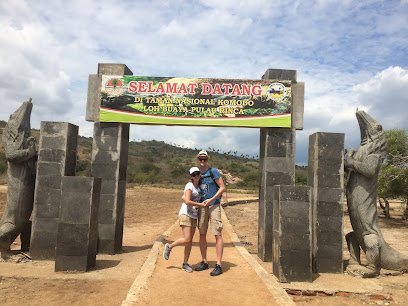
Featured Eco-Tours & Bird Watching Activities Listings


Environmental Protection
Environmental protection forms the foundation of sustainable tourism development in Flores, as the island’s natural assets constitute its primary tourism appeal. Investment in conservation infrastructure and programs is essential to maintain ecosystem health while accommodating growing visitor numbers. This includes marine protected area management, terrestrial conservation zones, wildlife monitoring programs, and restoration initiatives for degraded habitats.
The marine environment surrounding Flores requires particular attention, as coral reefs and marine biodiversity attract significant diving and snorkeling tourism. Sustainable tourism investments must include mooring buoy systems to prevent anchor damage, marine debris collection programs, wastewater treatment to prevent coastal pollution, and education initiatives for both tourists and local communities about marine conservation. Tour operators can play a crucial role by implementing best practices for marine tourism, including small group sizes, briefings on responsible behavior, and contributions to marine conservation funds.
Terrestrial ecosystems face pressures from habitat conversion, invasive species, and human-wildlife conflict. Tourism development that incorporates conservation objectives can provide economic incentives for habitat protection while funding ranger programs, wildlife monitoring, and community conservation initiatives. The presence of endemic species and unique ecosystems positions Flores to attract nature-focused travelers willing to pay premium rates for well-managed wildlife experiences.
Climate change adaptation represents an emerging consideration for environmental protection in Flores, as rising sea levels, changing rainfall patterns, and increased storm intensity may impact coastal infrastructure and natural attractions. Sustainable tourism investments should incorporate climate resilience measures, including elevated construction in coastal areas, water storage and conservation systems, and diversified tourism offerings that reduce dependence on climate-sensitive activities.
Green Building Standards
Implementation of green building standards is essential for ensuring tourism infrastructure development in Flores minimizes environmental impact while maximizing operational efficiency. These standards encompass site selection, construction materials, energy systems, water management, and waste handling. For investors and developers, adherence to recognized green building frameworks provides competitive advantages through reduced operating costs, enhanced marketability, and alignment with international sustainability expectations.
Site selection under green building principles prioritizes previously disturbed land over pristine habitats, avoids sensitive ecosystems and cultural sites, and considers natural drainage patterns and disaster risk. Building design should maximize natural ventilation and lighting to reduce energy demands, incorporate local architectural elements that reflect cultural heritage, and use materials with low embodied energy and minimal transportation requirements. Bamboo, locally sourced timber from sustainable forestry, and traditional building techniques offer environmentally appropriate alternatives to imported materials.
Energy systems for sustainable tourism facilities in Flores should emphasize renewable sources, particularly solar power given the island’s tropical location. Hybrid systems combining solar panels with battery storage and backup generators can provide reliable power while minimizing fossil fuel consumption. Water heating through solar thermal systems, energy-efficient appliances and lighting, and smart building management systems further reduce environmental footprints and operational costs.
Water management represents a critical consideration in Flores, where seasonal rainfall patterns create periods of scarcity. Green building standards should include rainwater harvesting systems, greywater recycling for irrigation and toilet flushing, low-flow fixtures, and wastewater treatment systems that enable safe discharge or reuse. These measures reduce pressure on local water resources while lowering operational costs.
Waste management infrastructure must address the full waste stream, including organic waste composting, recycling programs, and elimination of single-use plastics. Tourism facilities can implement comprehensive waste reduction strategies, establish relationships with recycling facilities, and educate guests about waste minimization. The absence of adequate waste management infrastructure in many parts of Flores makes on-site waste handling capabilities essential for sustainable operations.
Investment Framework
The investment framework for sustainable tourism development in Flores requires understanding of regulatory requirements, financing mechanisms, risk factors, and expected returns. Indonesia’s investment regulations permit foreign ownership in tourism sectors with certain conditions, though partnership with local entities often facilitates project implementation and community relationships. Investors should engage legal counsel familiar with Indonesian investment law and local regulations specific to Flores and East Nusa Tenggara province.
Financing sustainable tourism projects may involve multiple sources, including private equity, impact investment funds focused on sustainable development, development finance institutions, and potentially blended finance structures combining commercial and concessional capital. The sustainable and community-focused nature of projects may provide access to specialized funding sources unavailable to conventional tourism developments. However, investors should anticipate longer development timelines and potentially lower initial returns compared to mass-market tourism investments.
Risk factors for sustainable tourism investments in Flores include infrastructure limitations, particularly transportation access and utilities; regulatory uncertainty and potential changes in investment policies; natural disaster exposure including earthquakes and volcanic activity; and market risks related to tourism demand fluctuations. The COVID-19 pandemic demonstrated the vulnerability of tourism-dependent economies to external shocks, highlighting the importance of diversified revenue streams and financial resilience.
Expected returns on sustainable tourism investments in Flores vary by project type and scale. Eco-resorts may achieve 10-15% annual returns once established, though initial years typically show lower profitability as market presence develops. Community-based tourism initiatives often prioritize social and environmental returns alongside financial performance, with more modest financial returns balanced by significant community impact. Land appreciation in strategic tourism locations may provide additional returns beyond operational income.
The investment timeline for sustainable tourism projects typically spans 7-10 years from initial planning through achieving stable operations and profitability. Patient capital and long-term commitment are essential, as sustainable approaches prioritize gradual, managed growth over rapid expansion. Investors should establish clear metrics for both financial performance and sustainability outcomes, including environmental indicators, community benefit measures, and visitor satisfaction scores.
What to watch: Key indicators for Flores’ sustainable tourism trajectory include government policy developments regarding environmental protection and tourism regulation, infrastructure investments in transportation and utilities, growth in international visitor arrivals and average spending, emergence of successful sustainable tourism models that can be replicated, and community attitudes toward tourism development. The balance between tourism growth and environmental protection will determine whether Flores achieves its potential as a premier sustainable tourism destination or follows the path of overdevelopment seen in other Indonesian destinations.
Key Questions About Sustainable Tourism Investment in Flores
1. What makes Flores an attractive destination for sustainable tourism investment?
Flores offers pristine marine ecosystems, endemic wildlife including Komodo dragons, traditional villages, and volcanic landscapes that appeal to environmentally conscious travelers. The island’s limited current infrastructure creates opportunities for eco-resorts and community-based tourism that can command premium rates while maintaining smaller environmental footprints than mass-market destinations.
2. What are the expected returns and timelines for eco-resort investments in Flores?
Eco-resorts typically require 2-3 years for planning and construction, followed by 3-5 years to establish market presence and achieve operational profitability. Once established, these properties may achieve 10-15% annual returns, with additional value from land appreciation in strategic tourism locations. Higher initial capital expenditure is offset by long-term operational savings through reduced utility costs.
3. How does community-based tourism benefit local populations in Flores?
Community-based tourism empowers villages as active participants through homestay networks, craft cooperatives, cultural performances, and guided tours. This model provides supplementary income to agricultural livelihoods, preserves traditional skills and cultural heritage, reduces rural-urban migration, and ensures communities retain ownership and control while receiving technical assistance and marketing support from investors.
4. What environmental protection measures are essential for sustainable tourism in Flores?
Critical measures include marine protected area management with mooring buoy systems, marine debris collection, and wastewater treatment to protect coral reefs. Terrestrial conservation requires wildlife monitoring programs, habitat restoration, and climate resilience measures such as elevated coastal construction, water conservation systems, and diversified tourism offerings to reduce dependence on climate-sensitive activities.
5. What are the main risk factors for sustainable tourism investments in Flores?
Key risks include infrastructure limitations in transportation and utilities, regulatory uncertainty regarding investment policies, natural disaster exposure from earthquakes and volcanic activity, and tourism demand fluctuations as demonstrated by the COVID-19 pandemic. Investors should anticipate longer development timelines and potentially lower initial returns compared to conventional tourism, requiring patient capital and long-term commitment of 7-10 years.

Author: Flores Insider
Welcome to Discover Flores — your trusted guide to exploring Indonesia’s untamed island paradise. From Komodo National Park and Kelimutu’s tri-colored lakes to hidden beaches, dive spots, and Labuan Bajo real estate opportunities, Discover Flores brings you the best of travel, lifestyle, and investment across the island. Plan your next adventure, find the top tours and accommodations, and uncover why Flores is Indonesia’s rising gem for eco-tourism, digital nomads, and sustainable travel.