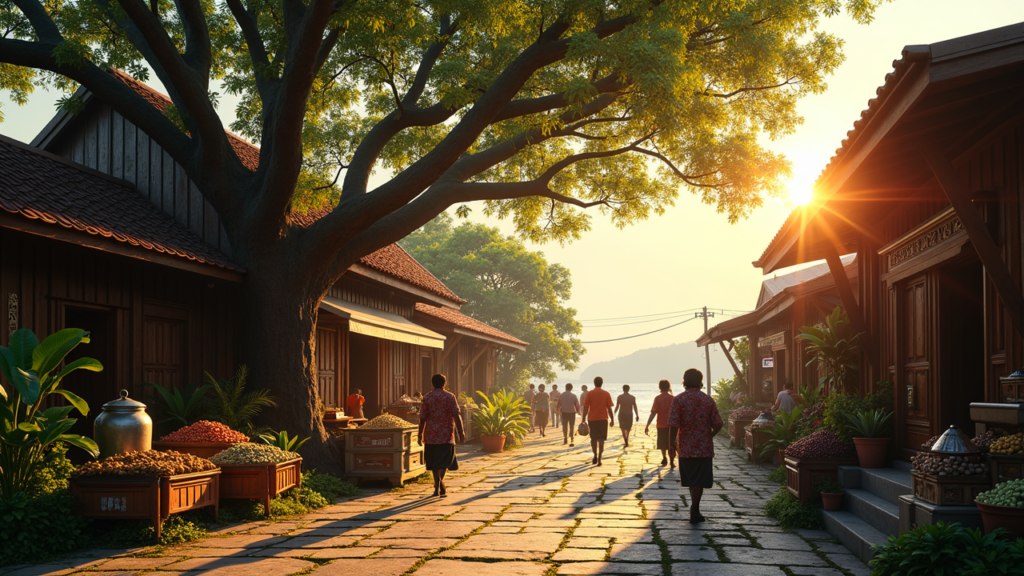
Ende Flores, a coastal town on the southern shore of Flores Island in Indonesia’s East Nusa Tenggara province, stands as one of the region’s most historically significant destinations. This unassuming port city offers travelers a unique blend of Indonesian independence history, distinctive natural attractions, and authentic cultural experiences that remain largely untouched by mass tourism. As the former place of exile for Indonesia’s founding father, Sukarno, Ende holds a special place in the nation’s collective memory while providing visitors with access to remarkable geological wonders and traditional Florenese culture.
The town serves as an important waypoint for travelers exploring Flores Island, positioned roughly midway along the Trans-Flores Highway between Maumere to the east and Bajawa to the west. Unlike the more tourist-oriented destinations of Labuan Bajo or Moni, Ende retains an authentic working-town atmosphere where daily life continues much as it has for decades, offering visitors genuine insights into contemporary Indonesian provincial life alongside its historical treasures.
Sukarno Exile History
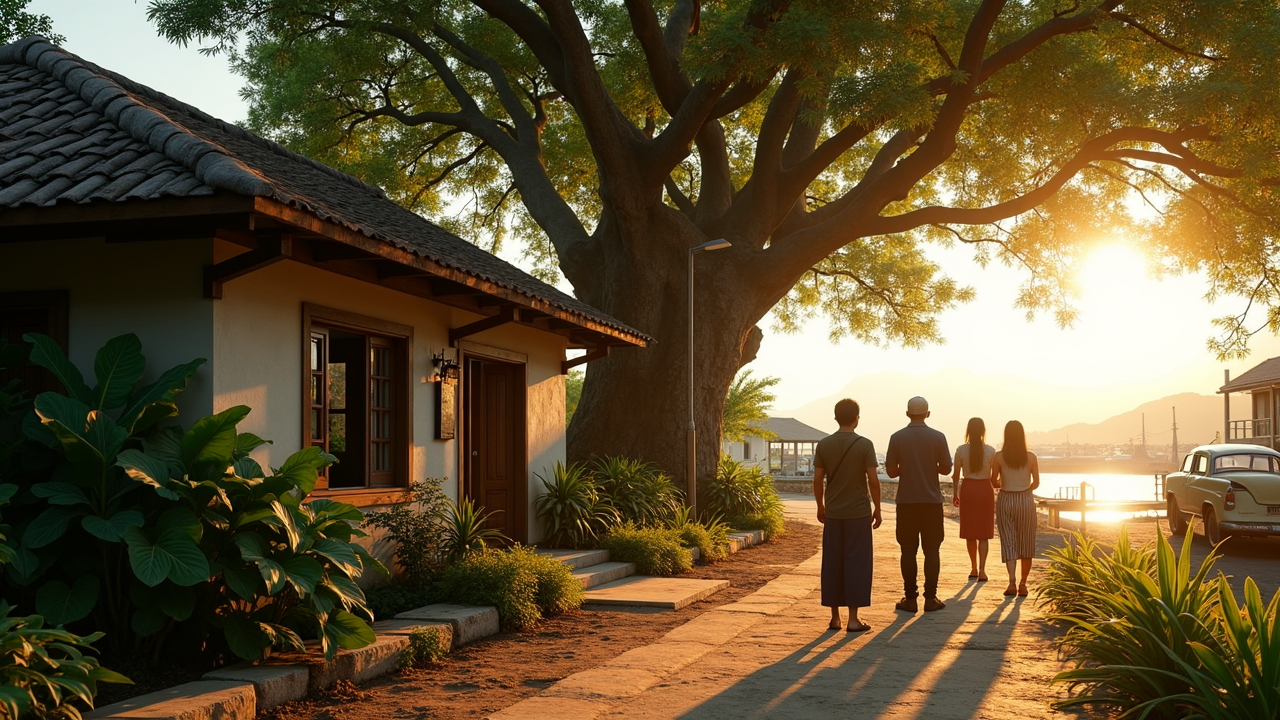
Ende’s most significant claim to historical importance stems from its role as the place of exile for Sukarno, who would later become Indonesia’s first president. Between 1934 and 1938, the Dutch colonial government banished Sukarno to this remote town in an attempt to silence his growing nationalist movement. Rather than diminishing his influence, this period of exile proved formative in shaping the philosophical foundations of the Indonesian nation.
During his four years in Ende, Sukarno lived in a modest house that has since been converted into a museum. It was here, according to historical accounts, that he conceived the Pancasila—the five principles that would become the philosophical foundation of the Indonesian state. The story goes that Sukarno formulated these principles while sitting beneath a large tree, now known as the Pancasila Tree, which still stands as a living monument to this pivotal moment in Indonesian history.
The Sukarno Exile House (Rumah Pengasingan Bung Karno) remains Ende’s primary historical attraction. The simple wooden structure has been preserved and contains period furnishings, photographs, and personal items that provide context for understanding both Sukarno’s life during exile and the broader independence movement. For Indonesian visitors, this site holds profound national significance, while international travelers gain valuable insights into the colonial period and the birth of modern Indonesia.
Blue Stone Beach
Ende’s most distinctive natural attraction is the Blue Stone Beach (Pantai Batu Biru), located approximately 20 kilometers from the town center. This remarkable coastline features smooth, rounded stones in striking shades of blue, green, and gray—a geological phenomenon created by volcanic activity and centuries of wave action. The beach represents one of the few places in Indonesia where such colorful stone formations can be found in such abundance.
The stones derive their unusual coloration from the mineral composition of the volcanic rock combined with oxidation processes. While swimming conditions can be challenging due to strong currents and rocky terrain, the beach serves primarily as a scenic and geological attraction. Visitors typically spend time photographing the unique landscape, collecting small stones as souvenirs (though sustainable collection practices should be observed), and enjoying the dramatic coastal views.
Access to Blue Stone Beach requires either private transportation or arrangement through local tour operators. The journey itself offers scenic views of Ende’s coastal landscape and rural villages. The site remains relatively undeveloped, with minimal facilities, so visitors should come prepared with water, sun protection, and appropriate footwear for walking on uneven stone surfaces.
Local Markets
Ende’s traditional markets provide authentic glimpses into daily life and regional commerce. The main market, Pasar Ndao, operates daily but reaches peak activity in the early morning hours when vendors from surrounding villages bring fresh produce, fish, and handcrafted goods. The market serves as a social hub where locals gather not just for commerce but for community interaction and information exchange.
Visitors to Ende’s markets will encounter regional specialties including locally grown coffee, traditional ikat textiles woven in surrounding villages, and fresh seafood caught by Ende’s fishing fleet. The textile section deserves particular attention, as Flores is renowned for its ikat weaving traditions, and Ende’s markets offer opportunities to purchase authentic pieces directly from weavers or their representatives at more reasonable prices than tourist-oriented shops.
The market experience also includes food stalls serving traditional Florenese breakfast dishes and snacks. Engaging with market vendors provides opportunities for cultural exchange, though basic Indonesian language skills or a local guide can significantly enhance the experience. The markets operate on a cash basis, and bargaining is expected for most goods except food items, which typically have fixed prices.
Featured Cultural Experiences Activities Listings


Cultural Sites
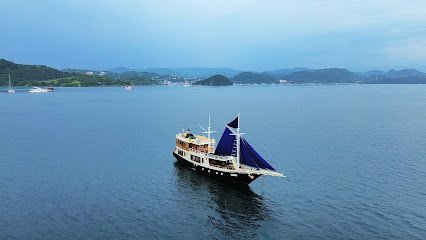
Beyond the Sukarno sites, Ende offers several cultural attractions that illuminate the region’s Catholic heritage and traditional beliefs. The Ende Cathedral, a substantial structure in the town center, reflects the strong Catholic influence in this part of Flores, introduced by Portuguese and later reinforced by Dutch missionaries. The cathedral serves as both a religious center and architectural landmark, with its distinctive design incorporating both European and local elements.
Traditional villages in the Ende regency maintain customary practices and architectural styles. While these villages lie outside the town proper, they can be visited as day trips and offer insights into traditional Florenese life, including ceremonial houses, weaving demonstrations, and sometimes traditional dance performances. Arrangements for village visits should ideally be made through local guides who can facilitate appropriate cultural protocols and ensure visits benefit local communities.
The Ende Museum (Museum Daerah Ende) houses collections related to regional history, traditional culture, and natural history. While modest in scale compared to major urban museums, it provides valuable context for understanding Ende’s place within Flores Island’s broader cultural landscape. Exhibits typically include traditional textiles, agricultural implements, ceremonial objects, and historical photographs.
Accommodation Options
Ende’s accommodation landscape reflects its status as a working town rather than a primary tourist destination. Options range from basic guesthouses to mid-range hotels, with most properties concentrated in the town center within walking distance of the waterfront and main commercial areas. Travelers should adjust expectations accordingly—Ende offers functional, clean accommodation rather than resort-style amenities.
Mid-range hotels such as Hotel Ikhlas and Hotel Safari provide air-conditioned rooms, private bathrooms, and basic amenities including Wi-Fi (though connection speeds may be limited). These properties typically include breakfast and can assist with arranging local transportation and tours. Rates generally range from moderate to budget-friendly by Indonesian standards, making Ende an economical base for exploring the region.
Budget travelers will find several guesthouses and homestays offering basic rooms with fan cooling and shared facilities. These options provide opportunities for more direct interaction with local hosts and deeper cultural immersion. Advance booking is recommended during Indonesian holiday periods when domestic tourists visit Sukarno historical sites, though Ende rarely experiences the accommodation shortages common in more popular destinations.
Getting Around
Ende is served by H. Hasan Aroeboesman Airport, located approximately 15 kilometers from the town center. The airport receives regular flights from Kupang, the provincial capital, with connections to Bali and other Indonesian cities. Flight schedules can be subject to change, and advance booking is advisable, particularly during peak travel periods. Airport transfers are typically arranged through hotels or by hiring ojek (motorcycle taxi) or car services.
Within Ende town, most attractions are accessible on foot, though the tropical heat and humidity make walking challenging during midday hours. Ojek services are readily available and provide economical transportation for short distances. For visits to Blue Stone Beach and other outlying attractions, travelers can hire cars with drivers through hotels or local tour operators. Rental motorcycles may be available for experienced riders comfortable with Indonesian traffic conditions.
The Trans-Flores Highway connects Ende to other major destinations on the island. Public buses and bemos (minivans) provide economical but time-consuming transportation to Maumere (approximately 4-5 hours) and Bajawa (approximately 3-4 hours). Private car hire offers more comfort and flexibility for exploring the region. Road conditions vary, with some sections subject to damage during the rainy season (November through March), potentially affecting travel times.
Ende’s significance extends beyond its immediate attractions. For travelers interested in Indonesian history, the town offers irreplaceable connections to the nation’s founding narrative. The combination of historical sites, unique natural features, and authentic cultural experiences positions Ende as a worthwhile destination for those seeking to understand Flores Island beyond its more famous attractions. While it may not offer the dramatic landscapes of Kelimutu or the marine biodiversity of Komodo, Ende provides depth and context that enrich any Flores itinerary.
As Indonesian domestic tourism continues to grow, Ende is likely to see gradual development of its tourism infrastructure while hopefully maintaining the authentic character that makes it distinctive. For now, it remains a destination where travelers can experience a significant piece of Indonesian history in a setting that has changed remarkably little since Sukarno’s time, offering a rare window into both the past and the present of this fascinating island.
Frequently Asked Questions About Visiting Ende, Flores
1. What is the historical significance of Ende in Indonesian history?
Ende served as the place of exile for Sukarno, Indonesia’s founding father and first president, from 1934 to 1938. During this period, he conceived the Pancasila—the five philosophical principles that became the foundation of the Indonesian state. The Sukarno Exile House (Rumah Pengasingan Bung Karno) has been preserved as a museum, and the Pancasila Tree where he formulated these principles still stands as a living monument to this pivotal moment in the nation’s independence movement.
2. What makes Blue Stone Beach unique and how do I get there?
Blue Stone Beach (Pantai Batu Biru) features smooth, rounded stones in striking shades of blue, green, and gray—a rare geological phenomenon created by volcanic activity and wave action over centuries. Located approximately 20 kilometers from Ende town center, the beach is accessible via private transportation or local tour operators. Visitors should bring water, sun protection, and appropriate footwear, as the site has minimal facilities and the terrain consists of uneven stone surfaces.
3. What can I find at Ende’s traditional markets?
Ende’s main market, Pasar Ndao, offers authentic glimpses into daily life with fresh produce, seafood, locally grown coffee, and traditional ikat textiles woven in surrounding villages. The market is most active in early morning hours and serves as both a commercial and social hub. Visitors can purchase authentic ikat pieces at more reasonable prices than tourist shops, sample traditional Florenese breakfast dishes, and engage in cultural exchange with local vendors. Bargaining is expected for most goods except food items.
4. What accommodation options are available in Ende?
Ende offers functional, clean accommodation ranging from basic guesthouses to mid-range hotels, primarily concentrated in the town center. Mid-range options like Hotel Ikhlas and Hotel Safari provide air-conditioned rooms, private bathrooms, Wi-Fi, and breakfast at moderate to budget-friendly rates. Budget travelers can find guesthouses and homestays with fan cooling and shared facilities that offer deeper cultural immersion. Advance booking is recommended during Indonesian holiday periods when domestic tourists visit the Sukarno historical sites.
5. How do I travel to and around Ende?
Ende is served by H. Hasan Aroeboesman Airport with regular flights from Kupang and connections to Bali and other Indonesian cities. Airport transfers are arranged through hotels or ojek (motorcycle taxi) services. Within town, most attractions are walkable, though ojek services provide economical short-distance transport. For outlying attractions like Blue Stone Beach, hire cars with drivers through hotels or tour operators. The Trans-Flores Highway connects Ende to Maumere (4-5 hours) and Bajawa (3-4 hours) via public buses, bemos, or private car hire.

Author: Flores Insider
Welcome to Discover Flores — your trusted guide to exploring Indonesia’s untamed island paradise. From Komodo National Park and Kelimutu’s tri-colored lakes to hidden beaches, dive spots, and Labuan Bajo real estate opportunities, Discover Flores brings you the best of travel, lifestyle, and investment across the island. Plan your next adventure, find the top tours and accommodations, and uncover why Flores is Indonesia’s rising gem for eco-tourism, digital nomads, and sustainable travel.




2 responses to “Ende Flores: The Historic Heart of Flores Island Complete Guide”
[…] represents more than just a scenic stopover between Labuan Bajo and Ende—it embodies centuries of indigenous wisdom, sustainable farming practices, and cultural […]
[…] Ledalero Museum, located at the Ledalero Catholic Seminary complex approximately 20 kilometers from Maumere, houses […]