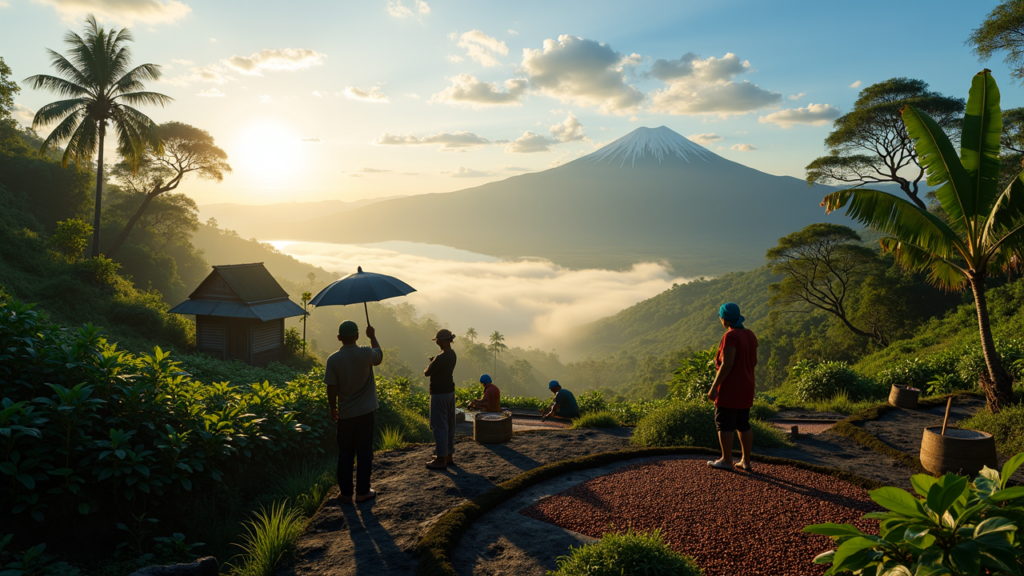
Nestled in the volcanic highlands of eastern Indonesia, Flores Island has emerged as a compelling destination for coffee enthusiasts seeking authentic agritourism experiences. The island’s unique terroir, traditional processing methods, and rich cultural heritage combine to create a coffee culture that offers travelers far more than just a caffeine fix—it provides an immersive journey into one of Indonesia’s most distinctive agricultural landscapes.
As specialty coffee continues to gain global recognition, Flores represents an opportunity for travelers to witness the complete coffee journey from cultivation to cup, while supporting local farming communities and experiencing the island’s breathtaking highland scenery. This niche segment of Indonesian tourism appeals particularly to those seeking meaningful connections with local producers and authentic cultural experiences beyond conventional tourist trails.
Coffee Growing Regions
Flores coffee cultivation centers primarily in the island’s highland areas, where volcanic soil and favorable microclimates create ideal growing conditions. The Manggarai region, particularly around Ruteng, stands as the island’s premier coffee-producing area. Situated at elevations between 1,200 and 1,800 meters above sea level, these highlands provide the cool temperatures and distinct wet-dry seasons that coffee plants require to develop complex flavor profiles.
The Bajawa area in Ngada regency represents another significant coffee-growing zone, where smallholder farmers cultivate coffee alongside traditional crops on terraced hillsides. These regions benefit from rich volcanic soil deposited over millennia, contributing mineral complexity to the coffee beans. The Ende regency also maintains coffee plantations, though on a smaller scale, offering visitors alternative routes for coffee exploration.
What distinguishes Flores coffee regions from other Indonesian islands is the predominance of small family farms rather than large plantations. Most coffee cultivation occurs on plots of one to three hectares, integrated into diverse agricultural systems that include vegetables, fruits, and spices. This polyculture approach not only supports food security but also creates visually stunning landscapes that enhance the agritourism experience.
Traditional Processing Methods
Flores coffee processing retains traditional methods that have been passed down through generations, offering visitors insight into time-honored agricultural practices. The most common approach is the wet-hulled method, known locally as “giling basah,” which is characteristic of Indonesian coffee processing. After harvesting ripe coffee cherries, farmers remove the outer skin and pulp, then partially dry the beans before removing the parchment layer—a technique that contributes to the full body and earthy notes typical of Indonesian coffees.
However, some progressive farmers in Flores have begun experimenting with fully washed and natural processing methods to create distinct flavor profiles that appeal to specialty coffee markets. The natural process, where whole cherries are dried before removing the fruit, produces sweeter, fruitier notes. These processing variations allow visitors to taste side-by-side comparisons and understand how post-harvest handling dramatically influences final cup quality.
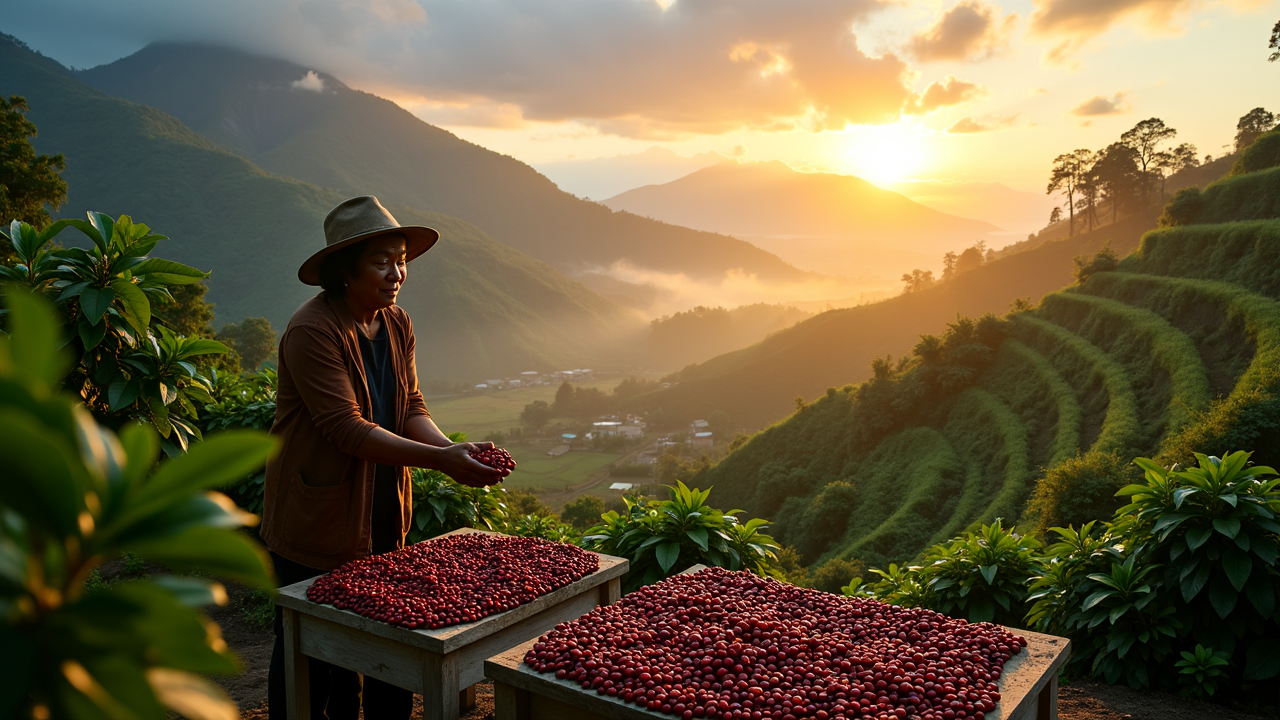
Sun-drying remains the predominant drying method, with coffee spread on raised beds, patios, or traditional mats. This labor-intensive process requires constant attention to turn the beans and protect them from rain, providing numerous opportunities for visitor participation and photography. The visual spectacle of coffee drying across village courtyards, with farmers hand-sorting beans, creates memorable experiences for agritourists.
Best Coffee Experiences
Flores offers coffee enthusiasts a range of immersive experiences that go beyond simple plantation visits. Hands-on harvesting experiences during the peak season (typically May through September) allow visitors to pick ripe cherries alongside local farmers, gaining appreciation for the selective skill required to harvest only perfectly ripe fruit. These experiences often conclude with processing demonstrations and traditional coffee ceremonies.
Cupping sessions at local cooperatives provide opportunities to taste different varieties and processing methods while learning professional coffee evaluation techniques. Several farmer cooperatives in the Ruteng area have developed tasting rooms where visitors can sample single-origin lots and understand the terroir differences between micro-regions. These sessions often include discussions about organic farming practices and fair trade principles that govern cooperative operations.
Homestay programs in coffee-growing villages offer the most authentic experiences, allowing visitors to participate in daily farm activities, share meals with farming families, and witness the integration of coffee cultivation into traditional Manggarai or Ngada culture. Evening gatherings often feature traditional music and storytelling while drinking locally roasted coffee, creating cultural exchanges that benefit both visitors and host communities.
Plantation Tours and Agritourism
Organized plantation tours in Flores range from half-day visits to multi-day agritourism packages that combine coffee experiences with cultural and natural attractions. The most developed tours operate around Ruteng, where several cooperatives and progressive farmers have established visitor facilities including demonstration plots, processing areas, and tasting pavilions with views across the highland landscape.
Tour itineraries typically begin with walks through coffee gardens, where guides explain cultivation techniques, shade tree management, and organic pest control methods. Visitors learn to identify coffee varieties by leaf shape and cherry characteristics, and understand the importance of altitude and microclimate on bean development. The integration of coffee with other crops—bananas for shade, vegetables for intercropping—demonstrates sustainable agricultural systems.
Processing facility tours reveal the journey from cherry to green bean, with opportunities to participate in pulping, washing, and sorting activities. Many tours include roasting demonstrations using traditional methods or small-batch roasters, allowing visitors to purchase freshly roasted beans directly from producers. This direct trade model ensures farmers receive fair compensation while visitors obtain exceptional coffee at reasonable prices.
Transportation to plantation areas typically requires private vehicles or motorcycles, as public transport to remote farming areas is limited. Tour operators in Ruteng and Bajawa can arrange complete packages including transportation, guide services, and meals. The best experiences occur during harvest season when farm activities are most visible, though year-round visits remain possible with focus shifting to processing, roasting, and cultural aspects during off-season months.
Featured Coffee Culture Activities Listings
Local Coffee Varieties
Flores coffee production predominantly features Arabica varieties, with some Robusta cultivation at lower elevations. The most common Arabica cultivars include Typica and its local variants, which have adapted to Flores conditions over generations of cultivation. These heirloom varieties, while less productive than modern hybrids, produce distinctive flavor profiles characterized by medium body, balanced acidity, and notes of dark chocolate, spice, and tropical fruit.
Some farmers cultivate Lini S (S-Line) varieties developed by Indonesian research institutions for disease resistance and higher yields. While these modern cultivars support farm economics, many specialty coffee buyers prefer the traditional Typica for its superior cup quality. This tension between productivity and quality creates interesting discussions during farm visits about agricultural sustainability and market demands.
The Manggarai region has gained recognition for producing coffee with unique flavor characteristics attributed to volcanic terroir and traditional processing. Flores coffee typically exhibits lower acidity than other Indonesian origins, with earthy, herbal notes and a syrupy body that appeals to those who prefer bold, full-flavored coffee. Recent efforts to improve processing consistency and establish geographic indication protections aim to elevate Flores coffee’s reputation in international specialty markets.
Coffee Culture and Community Impact
Coffee cultivation in Flores extends beyond agriculture to encompass social structures, economic development, and cultural identity. For many highland communities, coffee represents the primary cash crop, funding education, healthcare, and infrastructure improvements. Cooperative organizations play crucial roles in providing technical training, processing facilities, and market access that individual smallholders cannot achieve independently.
The emergence of coffee tourism creates additional income streams for farming families while incentivizing quality improvements and sustainable practices. Visitors’ willingness to pay premium prices for direct-trade coffee and agritourism experiences demonstrates market value for traditional methods and organic cultivation. This economic validation helps younger generations view farming as viable livelihood, potentially slowing rural-to-urban migration.
Local coffee culture manifests in daily rituals and social gatherings where coffee serves as medium for community bonding. Traditional preparation methods, often involving roasting beans over wood fires and brewing in simple cloth filters, contrast with modern café culture emerging in towns like Ruteng and Bajawa. This juxtaposition of traditional and contemporary coffee culture provides rich material for cultural observation and photography.
Women play significant roles in Flores coffee production, particularly in harvesting, sorting, and processing activities. Several women-led cooperatives have emerged, focusing on quality improvement and direct market access. Visitors interested in gender equity and women’s empowerment find these cooperatives particularly compelling, as they demonstrate how specialty coffee markets can support social progress alongside economic development.
Planning Your Coffee Journey
Travelers planning coffee-focused visits to Flores should consider timing their trips during harvest season (May-September) for the most comprehensive experiences, though year-round visits remain rewarding. Ruteng serves as the primary base for coffee tourism, offering accommodations ranging from basic guesthouses to comfortable hotels, along with tour operators specializing in agritourism.
Advance arrangements through local cooperatives or tour operators ensure access to farms and processing facilities, as many operations are not set up for walk-in visitors. English-speaking guides familiar with coffee terminology enhance the educational value of visits. Combining coffee experiences with Flores’ other attractions—traditional villages, volcanic landscapes, and marine destinations—creates well-rounded itineraries that appeal to diverse interests.
The coffee tourism sector in Flores remains relatively undeveloped compared to more established Indonesian destinations, offering authentic experiences without crowds but requiring flexibility and patience regarding logistics. This pioneering aspect appeals to travelers seeking off-the-beaten-path experiences and meaningful connections with local communities. As infrastructure and services continue developing, Flores coffee culture promises to become an increasingly significant component of Indonesia’s specialty tourism offerings.
Essential Questions About Coffee Tourism in Flores
1. What makes Flores such a unique destination for coffee tourism?
Flores stands out for its volcanic highlands, smallholder farms, and traditional processing methods that give its coffee distinctive flavor profiles. Visitors get hands-on experiences with farming communities, processing techniques, and cultural rituals that aren’t found in more commercialized destinations.
2. When is the best time to visit Flores for coffee-related activities?
The harvest season from May to September is ideal, offering the most immersive experiences, including cherry picking, sun-drying, and processing. Off-season visits still provide valuable insights into roasting, cupping, and local coffee culture.
3. Which regions in Flores are most famous for coffee production?
Manggarai (especially Ruteng), Bajawa in Ngada, and parts of Ende are the island’s primary coffee-growing zones. These highland areas offer rich volcanic soils, diverse microclimates, and visually stunning landscapes shaped by small family farms.
4. What types of coffee processing methods can visitors see in Flores?
Most farmers use the traditional wet-hulled “giling basah” method, but some also practice fully washed and natural processing. Visitors can witness sun-drying, hand-sorting, pulping, roasting, and cupping sessions that highlight how processing affects flavor.
5. How does coffee tourism benefit local communities in Flores?
Coffee tourism provides additional income for smallholder farmers, encourages sustainable agricultural practices, and strengthens cooperative networks. It also supports cultural preservation and creates opportunities—especially for women—in farming and processing roles.

Author: Flores Insider
Welcome to Discover Flores — your trusted guide to exploring Indonesia’s untamed island paradise. From Komodo National Park and Kelimutu’s tri-colored lakes to hidden beaches, dive spots, and Labuan Bajo real estate opportunities, Discover Flores brings you the best of travel, lifestyle, and investment across the island. Plan your next adventure, find the top tours and accommodations, and uncover why Flores is Indonesia’s rising gem for eco-tourism, digital nomads, and sustainable travel.







One response to “Flores Coffee Culture: From Bean to Cup in Indonesia’s Highland Paradise”
[…] Ngada Highlands. Fertile volcanic soils support the region’s agricultural economy, particularly coffee cultivation, which has become increasingly important for local livelihoods. The dramatic topography creates […]