While Bali and Lombok dominate Indonesia’s tourism landscape, the island of Flores remains one of the archipelago’s best-kept secrets. This rugged, mountainous island in East Nusa Tenggara offers intrepid travelers something increasingly rare: authentic adventure experiences far from crowded tourist circuits. For photographers and off-the-beaten-path explorers, Flores presents a treasure trove of hidden waterfalls, secluded beaches, and untouched natural landscapes that reward those willing to venture beyond conventional itineraries.
The island’s relative obscurity stems from its remote location and limited infrastructure, but these very characteristics have preserved its pristine environments and authentic cultural experiences. As adventure tourism grows globally, Flores stands poised to become a premier destination for travelers seeking genuine discovery rather than curated experiences.
Cunca Wulang Waterfall: A Canyon Adventure
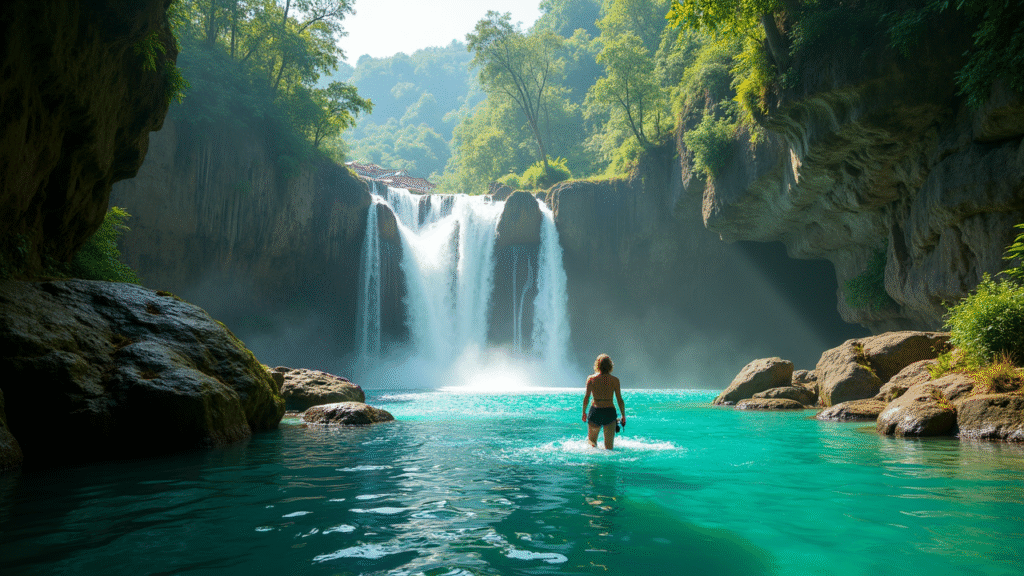
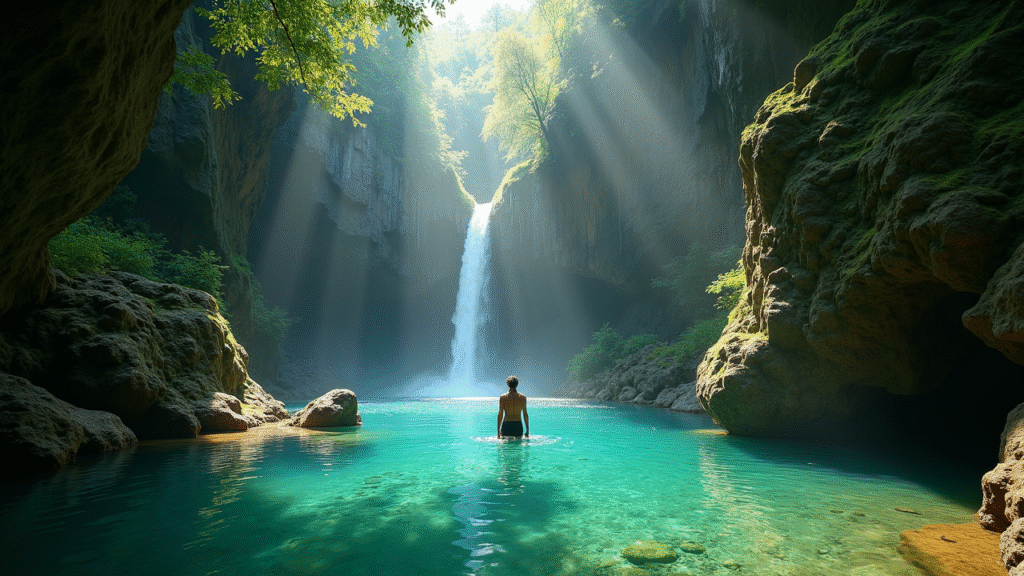
Cunca Wulang Waterfall represents one of Flores’ most spectacular yet undervisited natural attractions. Located in the Wae Lolos region near Ruteng, this multi-tiered waterfall cascades through a dramatic limestone canyon, creating a series of turquoise pools perfect for swimming and photography. Unlike commercialized waterfalls elsewhere in Indonesia, Cunca Wulang maintains its wild character with minimal development.
Reaching Cunca Wulang requires a combination of driving and trekking through rice paddies and forest paths, typically taking 30-45 minutes from the nearest road access point. The journey itself offers photographic opportunities as you pass through traditional villages and agricultural landscapes that showcase rural Flores life. The waterfall’s canyon setting creates unique lighting conditions, with sunlight filtering through the narrow gorge during midday hours, producing dramatic contrasts ideal for landscape photography.
The site features multiple cascades ranging from 10 to 30 meters in height, with the main waterfall plunging into a deep pool surrounded by moss-covered rocks and lush vegetation. Adventure seekers can explore the canyon by wading through shallow sections, climbing over boulders, and swimming in the crystal-clear pools. The relatively challenging access keeps visitor numbers low, meaning photographers often have the location entirely to themselves during weekday visits.
Secret Beach Locations
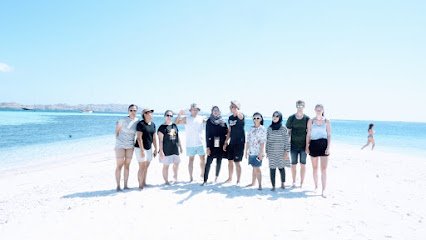
Flores’ coastline stretches over 360 kilometers, much of it remaining unexplored by mainstream tourism. The island’s southern coast, in particular, harbors numerous hidden beaches accessible only by motorbike, boat, or on foot. These secluded stretches of sand offer pristine conditions for photography, with dramatic rock formations, coral reefs visible from shore, and traditional fishing communities providing cultural context.
Pink Beach (Pantai Merah) near Komodo National Park represents one of only seven pink sand beaches worldwide, its distinctive color created by red coral fragments mixing with white sand. While increasingly known, it remains relatively uncrowded compared to famous beaches elsewhere. The beach’s remote location within the national park requires boat access, limiting daily visitor numbers and preserving its unspoiled character.
Along the northern coast, beaches near Riung and Maumere offer equally stunning settings with volcanic black sand, turquoise waters, and excellent snorkeling opportunities. Many of these locations lack names on standard maps, known only to local fishermen and adventurous travelers willing to ask for directions and explore unmarked roads. The absence of facilities means visitors must come prepared with water, food, and sun protection, but this self-sufficiency is rewarded with private beach experiences increasingly rare in Southeast Asia.
Getting Off the Beaten Path
Successfully exploring Flores’ hidden gems requires careful planning and flexibility. The island’s infrastructure remains basic outside major towns like Labuan Bajo, Ruteng, and Maumere. Roads connecting these centers have improved significantly in recent years, but many secondary routes leading to waterfalls and remote beaches remain unpaved and challenging, especially during the rainy season from November to March.
Renting a motorbike offers the greatest freedom for exploration, allowing access to locations unreachable by car and the flexibility to stop for photographic opportunities. However, riders should possess genuine off-road experience, as routes often involve steep grades, loose gravel, and river crossings. For those less confident on two wheels, hiring a car with driver provides a safer alternative while still enabling access to most locations.
Timing visits strategically enhances the experience. The dry season from April to October offers the most reliable weather and road conditions, with May through September providing optimal clarity for photography. Early morning departures allow travelers to reach remote locations during the best light while avoiding afternoon heat. Many waterfalls flow most impressively during and immediately after the rainy season, though access becomes more challenging.
Accommodation options in rural areas range from basic homestays to small guesthouses, with advance booking recommended during peak season. These locally-run establishments provide authentic cultural immersion and valuable information about nearby attractions. Staying in villages near target locations eliminates long daily drives and enables sunrise photography sessions.
Featured Adventure Activities Listings


Local Guides: Essential Partners
While independent exploration appeals to many adventure travelers, engaging local guides significantly enhances the Flores experience. These guides possess intimate knowledge of hidden locations, seasonal conditions, and cultural protocols that ensure respectful interaction with communities. Many waterfalls and beaches lack clear signage or marked trails, making local expertise invaluable for efficient navigation.
Guides can be arranged through guesthouses, tourism offices in major towns, or directly in villages near attractions. Rates typically range from 200,000 to 500,000 Indonesian Rupiah per day depending on location and services included. This investment provides multiple benefits: access to locations you might never find independently, cultural interpretation, language assistance, and direct economic support for local communities.
For photographers, guides familiar with specific locations can position you at optimal vantage points during ideal lighting conditions, saving hours of trial and error. They also facilitate interactions with local people, enabling portrait photography and cultural documentation that respects community preferences and traditions. Many guides have developed relationships with village leaders, securing permissions for access to private lands or restricted areas.
Photography Tips for Flores’ Hidden Locations
Capturing Flores’ natural beauty requires both technical preparation and creative vision. The island’s diverse landscapes—from jungle waterfalls to coastal vistas—demand versatile equipment. A wide-angle lens (16-35mm) proves essential for waterfall canyons and beach panoramas, while a mid-range zoom (24-70mm or 24-105mm) handles most general situations. Photographers serious about wildlife or distant details should include a telephoto lens (70-200mm or longer).
Water-resistant camera protection is crucial, as waterfall spray and unexpected rain showers pose constant threats to equipment. Dry bags, rain covers, and waterproof cases should be standard kit. For waterfall photography, neutral density filters enable long exposures that smooth water flow even in bright conditions, creating the silky effect popular in landscape photography. Polarizing filters reduce glare from wet rocks and water surfaces while enhancing sky and foliage colors.
Lighting conditions vary dramatically throughout the day. Waterfalls in deep canyons like Cunca Wulang receive direct sunlight only during specific hours, typically mid-morning to early afternoon. Arriving early allows scouting and composition planning before optimal light arrives. Beaches photograph beautifully during golden hour—the hour after sunrise and before sunset—when warm, directional light enhances textures and colors while creating long shadows that add depth.
Drone photography has become increasingly popular for capturing Flores’ dramatic landscapes from aerial perspectives. However, operators must respect local regulations, avoid flying over villages without permission, and be mindful of privacy concerns. Many remote communities have never encountered drones, so explanation and consent are essential before launching.
Responsible Tourism: Preserving Flores’ Hidden Gems
As word spreads about Flores’ undiscovered attractions, responsible tourism practices become increasingly critical for preserving these environments and supporting local communities. The island’s ecosystems remain fragile, and its traditional cultures face pressures from rapid modernization. Travelers bear responsibility for ensuring their visits contribute positively rather than accelerating degradation.
Environmental stewardship begins with basic principles: carry out all trash, stay on established trails where they exist, avoid disturbing wildlife, and never remove natural souvenirs like coral, shells, or plants. At waterfalls, resist the temptation to use soap or shampoo in pools, as these chemicals harm aquatic ecosystems. When swimming, biodegradable sunscreen minimizes chemical pollution in sensitive environments.
Cultural sensitivity proves equally important. Many locations considered “hidden” by tourists are actually daily-use areas for local communities—water sources, fishing grounds, or ceremonial sites. Seeking permission before entering villages or photographing people demonstrates respect and often leads to richer interactions. Modest dress, especially when visiting rural areas, shows cultural awareness. Learning basic Indonesian phrases facilitates communication and signals genuine interest in local culture.
Economic benefits should flow directly to communities hosting visitors. Hiring local guides, staying in village homestays, purchasing supplies from local shops, and buying handicrafts from artisans ensures tourism revenue supports those stewarding these landscapes. Paying fair prices without excessive bargaining acknowledges the value of services and products while supporting sustainable livelihoods.
As Flores’ tourism infrastructure develops, travelers can advocate for sustainable approaches by supporting businesses demonstrating environmental and social responsibility. Providing constructive feedback to accommodation providers, tour operators, and local authorities helps shape development in positive directions. Sharing experiences through social media and travel platforms should balance promoting worthy destinations with protecting their fragile character—highlighting responsible operators while avoiding precise location details that might lead to overcrowding.
The coming years will prove critical for Flores’ tourism trajectory. Current visitors have the privilege of experiencing the island before mass tourism arrives, but also the responsibility of modeling sustainable practices that preserve its hidden gems for future generations. By approaching Flores with respect, curiosity, and commitment to responsible travel, adventure seekers and photographers can enjoy extraordinary experiences while contributing to the island’s sustainable development.
FAQ
Is Flores suitable for first-time visitors to Indonesia?
Yes, Flores is suitable for first-time visitors who are comfortable with basic infrastructure and adventure-style travel. Roads can be rough, distances long, and facilities simpler than Bali or Lombok, but travelers who enjoy nature, culture, and slow travel will find it incredibly rewarding.
Do I need a local guide to explore hidden waterfalls and beaches in Flores?
You can reach some locations independently, but local guides are highly recommended for remote waterfalls, canyon treks, and unnamed beaches. They know the safest routes, current conditions, cultural protocols, and often have relationships with local communities and landowners.
What is the best time of year to visit Flores for photography and outdoor adventures?
The dry season from April to October is generally best. Roads are more passable, skies clearer, and conditions more reliable for motorbike trips, trekking, and drone or landscape photography. Waterfalls are often at their most impressive toward the end of the rainy season and early dry season.
How challenging are the hikes and access routes to places like Cunca Wulang and hidden beaches?
Most routes involve uneven terrain, jungle paths, steep sections, or rocky riverbeds. You don’t need to be an athlete, but a reasonable level of fitness, proper footwear, and comfort with heat and humidity are important. Some areas may be unsuitable in heavy rain, so always check conditions locally.
How can I practice responsible tourism when exploring Flores’ hidden locations?
Pack out all trash, avoid using soap or shampoo in natural pools, stay on existing paths, and ask permission before entering villages or photographing people. Hire local guides, stay in homestays, and buy local products so that economic benefits flow directly to communities protecting these environments.

Author: Flores Insider
Welcome to Discover Flores — your trusted guide to exploring Indonesia’s untamed island paradise. From Komodo National Park and Kelimutu’s tri-colored lakes to hidden beaches, dive spots, and Labuan Bajo real estate opportunities, Discover Flores brings you the best of travel, lifestyle, and investment across the island. Plan your next adventure, find the top tours and accommodations, and uncover why Flores is Indonesia’s rising gem for eco-tourism, digital nomads, and sustainable travel.