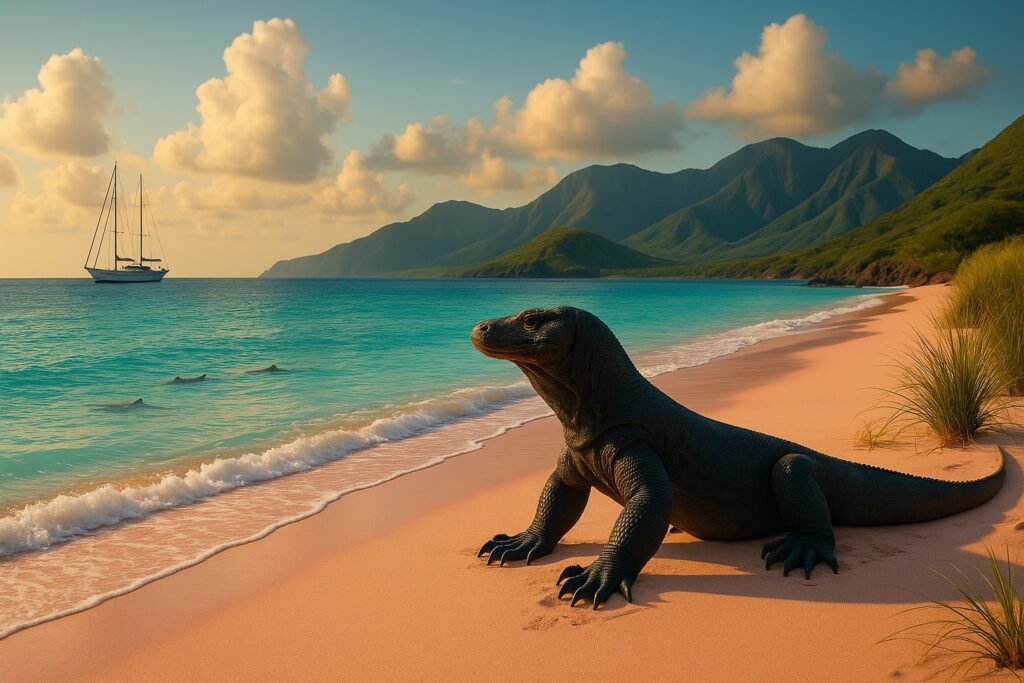
Komodo National Park, a UNESCO World Heritage Site located in the Lesser Sunda Islands of Indonesia, stands as one of the world’s most extraordinary natural destinations. Home to the legendary Komodo dragon—the world’s largest living lizard—and featuring the rare phenomenon of pink sand beaches, this archipelago offers travelers an unparalleled combination of wildlife encounters, marine biodiversity, and stunning landscapes. For visitors planning a journey to Flores and the surrounding islands, understanding the nuances of this remarkable park is essential for maximizing both safety and experience.
The park encompasses three major islands—Komodo, Rinca, and Padar—along with numerous smaller islands, covering approximately 1,733 square kilometers of land and sea. Established in 1980 to protect the Komodo dragon population, the park has evolved into a comprehensive conservation area that safeguards one of the world’s richest marine environments alongside its terrestrial treasures.
Planning Your Visit
The gateway to Komodo National Park is Labuan Bajo, a fishing town on the western tip of Flores that has transformed into a bustling tourism hub. Most visitors fly into Komodo Airport (Labuan Bajo) from Bali or other Indonesian cities, with daily connections making access increasingly convenient. The optimal visiting season runs from April through December, when seas are calmer and weather conditions favor both land excursions and diving activities.
Entry to Komodo National Park requires purchasing permits, with fees varying based on nationality and intended activities. As of recent years, the park operates on a tiered pricing system, with international visitors typically paying higher fees than domestic tourists. These conservation fees directly support park management, ranger salaries, and ongoing research efforts. Visitors should budget for park entrance fees, trekking permits, and diving permits if planning underwater activities.
Most travelers allocate between two to four days for a comprehensive Komodo experience, though day trips from Labuan Bajo are possible for those with limited time. Multi-day liveaboard cruises offer the most immersive experience, combining dragon encounters with extensive diving or snorkeling opportunities across multiple sites. Land-based tours with daily boat departures provide more budget-friendly alternatives while still covering major highlights.

Komodo Island vs Rinca Island
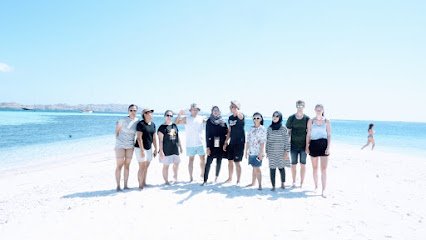
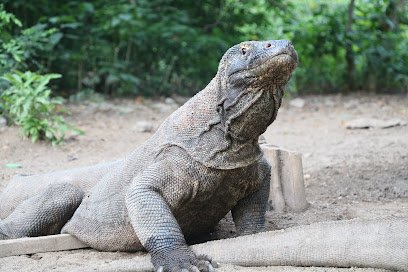
The decision between visiting Komodo Island or Rinca Island—or both—represents one of the key planning considerations for travelers. Both islands host significant Komodo dragon populations, but each offers distinct characteristics that appeal to different visitor preferences.
Komodo Island, the larger of the two, features more extensive trekking routes through varied terrain including savannah grasslands, tropical forests, and coastal areas. The dragon population here is substantial, and sightings are virtually guaranteed when accompanied by park rangers. Treks range from short one-hour walks to longer expeditions lasting three to four hours, with difficulty levels clearly marked. The island’s size means fewer crowds on longer trails, though popular routes near the ranger station can become busy during peak season.
Rinca Island offers a more compact experience with generally shorter trekking distances, making it ideal for travelers with mobility considerations or limited time. The terrain is somewhat more open, often providing easier dragon spotting opportunities. Many visitors report more intimate wildlife encounters on Rinca, as dragons frequently approach the ranger station area. The island’s smaller size means most treks can be completed in one to two hours, allowing time for additional activities on the same day.
Both islands require mandatory ranger accompaniment—a critical safety measure given the dragons’ predatory nature and territorial behavior. Rangers are knowledgeable about dragon behavior patterns, seasonal movements, and optimal viewing locations, significantly enhancing the educational value of visits.
Marine Life & Diving
While Komodo dragons capture headlines, the park’s underwater realm rivals its terrestrial attractions in biodiversity and visual spectacle. The waters surrounding the islands sit at the convergence of the Indian and Pacific Oceans, creating nutrient-rich currents that support extraordinary marine life. This positioning within the Coral Triangle—the global epicenter of marine biodiversity—means divers and snorkelers encounter species diversity found nowhere else on Earth.
The park encompasses over 260 species of reef-building corals, providing habitat for more than 1,000 species of fish, along with manta rays, sea turtles, dolphins, and occasional whale sharks. Diving sites range from gentle drift dives suitable for beginners to challenging current-swept channels that attract advanced divers seeking adrenaline and pelagic encounters.
Notable dive sites include Batu Bolong, famous for its dramatic underwater pinnacle surrounded by swirling schools of fish; Manta Point, where graceful manta rays congregate at cleaning stations; and Castle Rock, an advanced site known for strong currents and large pelagic species. Water temperatures remain comfortable year-round, typically ranging from 25-29°C (77-84°F), though thermoclines can bring cooler water at depth.
Snorkelers need not feel excluded from marine encounters. Sites like Pink Beach, Manta Point (in calm conditions), and various bays around the islands offer excellent snorkeling with good visibility and abundant marine life in shallow waters. Many tour operators include snorkeling equipment in package prices, making underwater exploration accessible to all visitors.
Pink Beach Experience
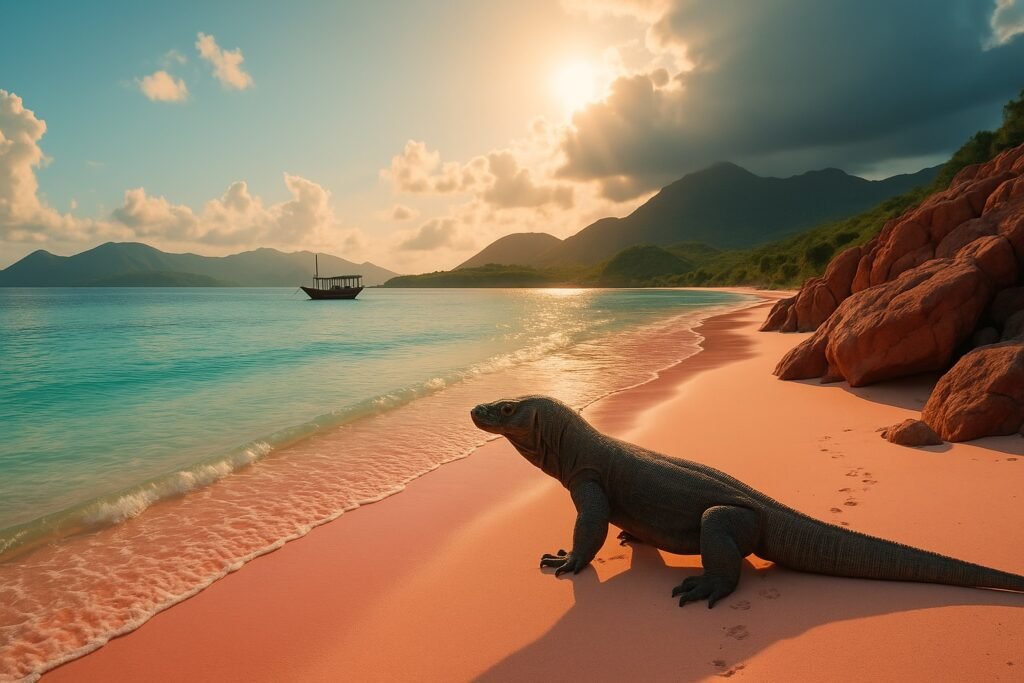
Pink Beach (Pantai Merah) ranks among Indonesia’s most photographed coastal destinations, and for good reason. The beach derives its distinctive rosy hue from microscopic organisms called Foraminifera, which produce red pigment in their shells. When these organisms die, waves crush their shells into tiny fragments that mix with white sand, creating the beach’s signature pink coloration.
The pink effect varies in intensity depending on lighting conditions, time of day, and recent weather patterns. Early morning and late afternoon light typically enhance the color contrast, making these optimal times for photography. The beach itself is relatively small and intimate, backed by hills covered in savannah grass and framed by turquoise waters.
Beyond its aesthetic appeal, Pink Beach offers excellent snorkeling directly from shore. The coral reef begins just meters from the beach, teeming with tropical fish, sea turtles, and vibrant coral formations. The protected bay provides calm conditions most of the year, making it suitable for swimmers of all abilities.
Visitors should note that Pink Beach has become increasingly popular, meaning crowds can diminish the experience during peak midday hours when multiple tour boats arrive simultaneously. Overnight liveaboard trips often schedule Pink Beach visits during early morning or late afternoon, providing more serene experiences. The beach has minimal facilities—no restaurants, shops, or permanent structures—preserving its natural character but requiring visitors to bring necessary supplies.
Safety Guidelines
Visiting Komodo National Park requires adherence to strict safety protocols, particularly regarding Komodo dragon encounters. These apex predators, despite their seemingly lethargic demeanor, are capable of sudden bursts of speed and possess venomous bites that can cause severe injury or death. Park regulations exist to protect both visitors and wildlife.
All trekking must be conducted with certified park rangers who carry forked sticks used to redirect dragons if they approach too closely. Visitors must maintain a minimum distance of three to five meters from dragons at all times, never position themselves between a dragon and its escape route, and avoid sudden movements or loud noises that might provoke defensive behavior. Photography should be conducted from safe distances using zoom lenses rather than approaching for close-ups.
Menstruating women face additional restrictions, as dragons possess acute olfactory senses and may be attracted to blood scent. Park policy typically requires disclosure of menstruation status, with rangers making case-by-case decisions about participation based on current dragon activity levels and trek routes.
Marine safety considerations include awareness of strong currents, particularly in channels between islands where tidal flows create challenging conditions. Divers should possess appropriate certification levels for planned sites, with some locations requiring advanced credentials and logged experience. Snorkelers should remain aware of boat traffic, wear brightly colored equipment for visibility, and never touch coral or marine life.
Sun protection is critical, as equatorial sun intensity can cause severe burns within minutes. Comprehensive sun protection including high-SPF sunscreen, protective clothing, and hats is essential. Dehydration poses another risk during trekking, making adequate water supplies mandatory. Most tour operators provide water, but bringing additional supplies ensures sufficiency.
Best Tour Operators
Selecting a reputable tour operator significantly impacts the quality, safety, and environmental responsibility of a Komodo National Park visit. Labuan Bajo hosts dozens of operators ranging from budget providers to luxury liveaboard companies, with considerable variation in service standards, safety protocols, and environmental practices.
When evaluating operators, prioritize those demonstrating clear commitment to sustainable tourism practices, including proper waste management, reef-safe practices, and support for local communities. Reputable operators employ experienced guides with extensive knowledge of park ecology, maintain well-maintained vessels with proper safety equipment, and limit group sizes to minimize environmental impact and enhance visitor experience.
Liveaboard options range from traditional wooden phinisi boats offering authentic Indonesian sailing experiences to modern motor yachts with air-conditioned cabins and premium amenities. Multi-day liveaboards typically include all meals, park fees, diving or snorkeling equipment, and guided excursions, providing comprehensive packages that simplify planning. These trips allow access to remote dive sites and islands rarely visited by day-trippers, offering more exclusive experiences.
Day tour operators provide more economical options for budget-conscious travelers or those with limited time. Shared group tours keep costs down but involve larger groups and fixed itineraries. Private charters offer flexibility in scheduling and destinations but command premium prices. When booking day tours, verify what’s included—some operators charge separately for park fees, meals, and equipment rental, while others offer all-inclusive pricing.
Reading recent reviews on multiple platforms provides insight into operator reliability, guide quality, and actual experiences versus marketing promises. Pay attention to comments regarding safety practices, equipment condition, food quality, and how operators handle unexpected situations or weather changes.
Booking directly with operators in Labuan Bajo often yields better prices than advance online booking through third-party platforms, though this requires flexibility and comfort with last-minute planning. High season (July-August and December-January) sees heavy demand, making advance booking advisable during these periods.
The economic importance of tourism to Labuan Bajo and surrounding communities cannot be overstated. The industry provides livelihoods for thousands of local residents working as guides, boat crew, hospitality staff, and in supporting businesses. Choosing operators who employ local staff, source supplies locally, and contribute to community development initiatives ensures tourism benefits extend beyond operator profits to broader community welfare.
Looking ahead, Komodo National Park faces ongoing challenges balancing conservation needs with tourism development. Discussions about visitor caps, seasonal closures, and infrastructure development continue among park management, government officials, and stakeholders. Travelers planning future visits should stay informed about evolving regulations and consider how their choices support long-term conservation of this irreplaceable ecosystem.
FAQ for Komodo National Park Guide
How many days do I need to explore Komodo National Park?
Most travelers spend 2–4 days exploring the park. This allows enough time to see Komodo and Rinca Islands, visit Pink Beach, and enjoy snorkeling or diving. Day trips are possible, but multi-day liveaboards offer the most complete experience.
Is it safe to visit Komodo dragons?
Yes—as long as you follow ranger instructions. All visitors must trek with certified rangers, maintain a safe distance of 3–5 meters, avoid sudden movements, and never approach dragons for close-up photos. Dragons are powerful predators capable of sudden bursts of speed.
When is the best time of year to visit Komodo National Park?
The ideal season is April to December, when seas are calmer and weather conditions are optimal for trekking, snorkeling, and diving. January to March brings stronger winds, rain, and rougher sea conditions.
Do I need special permits to enter Komodo National Park?
Yes. Visitors must purchase park entrance tickets, trekking permits, and optional diving/snorkeling permits depending on activities. International visitors pay higher conservation fees, which directly support protection of the dragons and marine ecosystem.
Can beginners snorkel or dive in Komodo?
Beginners can snorkel easily at locations like Pink Beach and calm bays. Diving in Komodo requires more caution—some sites are suitable for beginners, but many feature strong currents and require advanced certification and experience.

Author: Flores Insider
Welcome to Discover Flores — your trusted guide to exploring Indonesia’s untamed island paradise. From Komodo National Park and Kelimutu’s tri-colored lakes to hidden beaches, dive spots, and Labuan Bajo real estate opportunities, Discover Flores brings you the best of travel, lifestyle, and investment across the island. Plan your next adventure, find the top tours and accommodations, and uncover why Flores is Indonesia’s rising gem for eco-tourism, digital nomads, and sustainable travel.